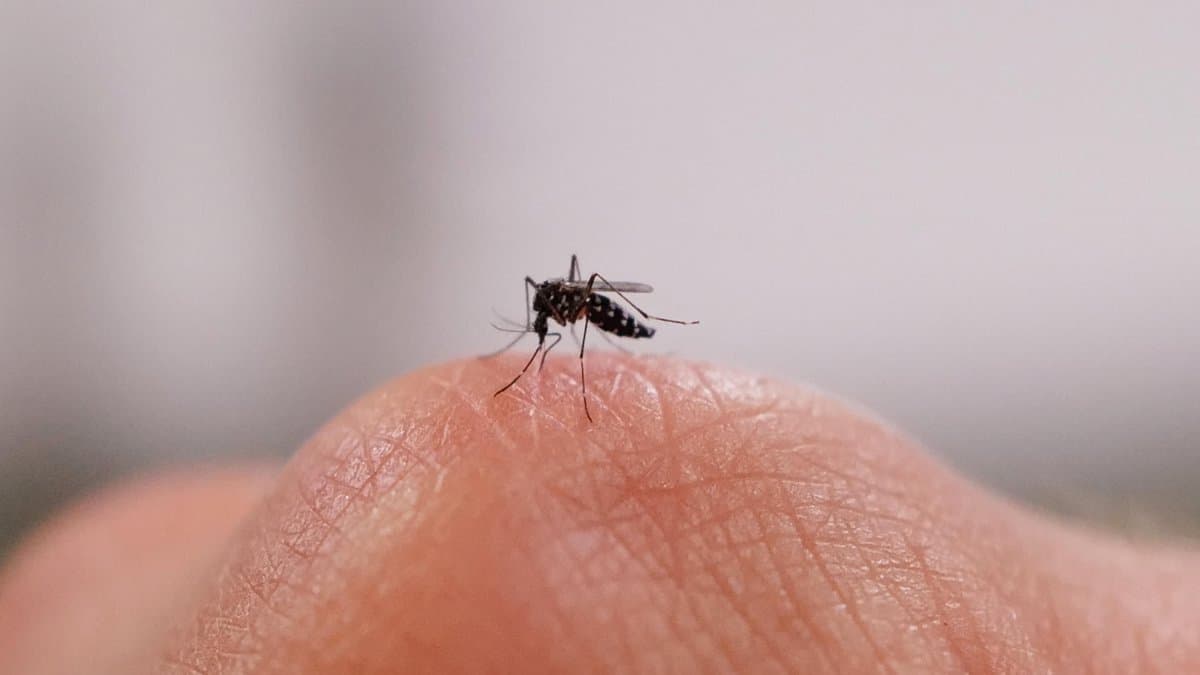
Tests with genetically modified flies being accelerated to quash parasite threatening livestock
The Department of Agriculture will test a new generation of genetically modified sterile flies in Panama to combat the New World screwworm, a parasite that has reappeared in Texas for the first time in decades and could cause millions in losses if it continues to spread.
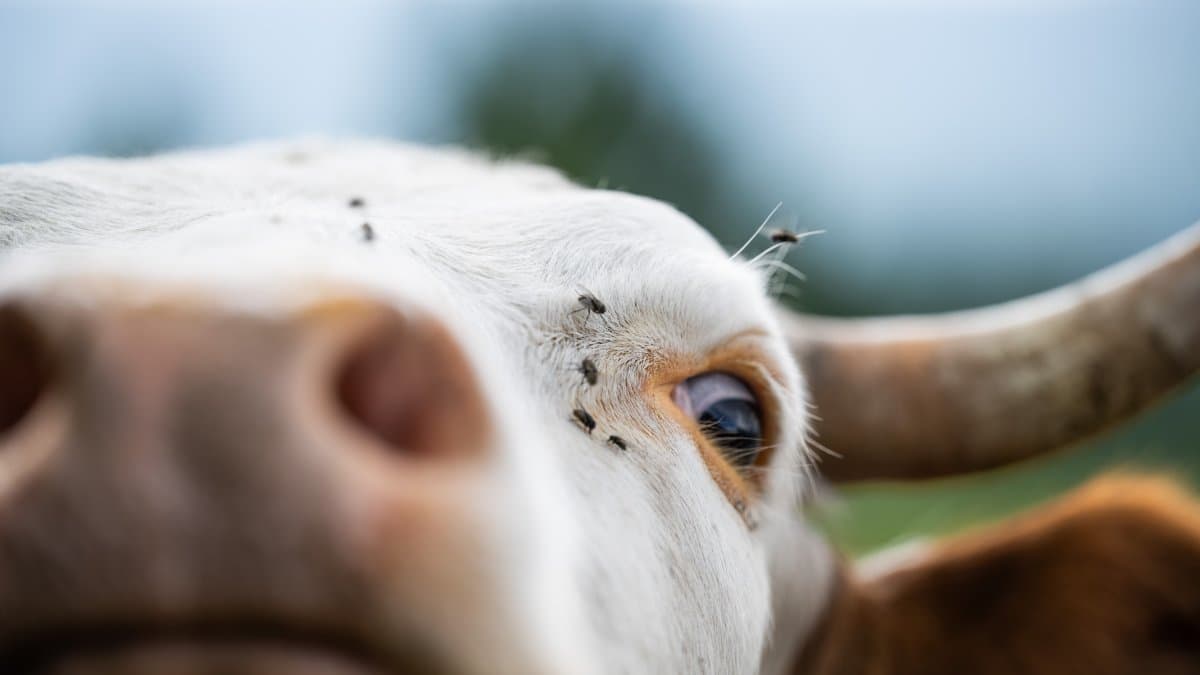

The country took a key step in its strategy to contain the spread of the New World screwworm, one of the most destructive pests to the continent's livestock industry. Scientists from the U.S. Department of Agriculture (USDA) will begin the first outdoor trials of a genetically modified fly, designed to produce only sterile males capable of drastically reducing the parasite's reproduction.
The project, called NovoFly, represents one of the most ambitious biotechnology developments spearheaded by the USDA and could become the first genetically modified insect authorized by the Environmental Protection Agency (EPA) for use in the United States. The agency published a proposal in favor of its registration in June, although the regulatory process has yet to be completed.
Threat crosses the border once again
The urgency stems from the return of the New World screwworm to U.S. territory. In June, the USDA confirmed the first cases in Texas in several decades, after the pest had gradually spread from Central America and Mexico. The pest had already forced the country to launch a large-scale quarantine operation to prevent its spread to other livestock-raising states.
The New World screwworm poses an exceptional risk because it does not feed on dead animals, but rather on living tissue.
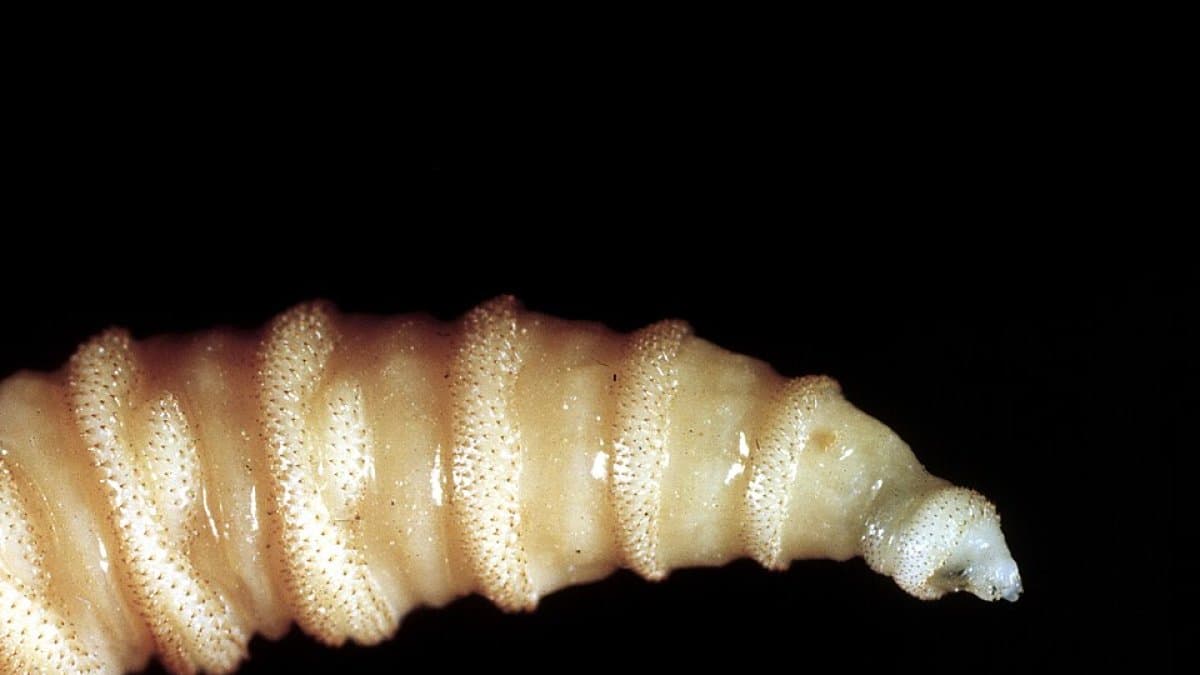
Females lay their eggs in open wounds or on the mucous membranes of warm-blooded animals. When the larvae hatch, they bore into living flesh with powerful mandibles, causing deep wounds, severe infections and even the death of the animal if it does not receive timely treatment. It can also affect—albeit in rare cases—pets, wildlife and even humans.
According to estimates cited by Reuters, a widespread outbreak could result in over $1 billion in losses for the Texas livestock industry alone, in addition to affecting meat production and driving up healthcare costs in other regions of the country.
Society
First case of live tissue-eating screwworm confirmed in US in more than 60 years
Williams Perdomo
The technique that once worked... but is now proving insufficient
For decades, the main tool for eradicating the pest was the so-called Sterile Insect Technique (SIT).
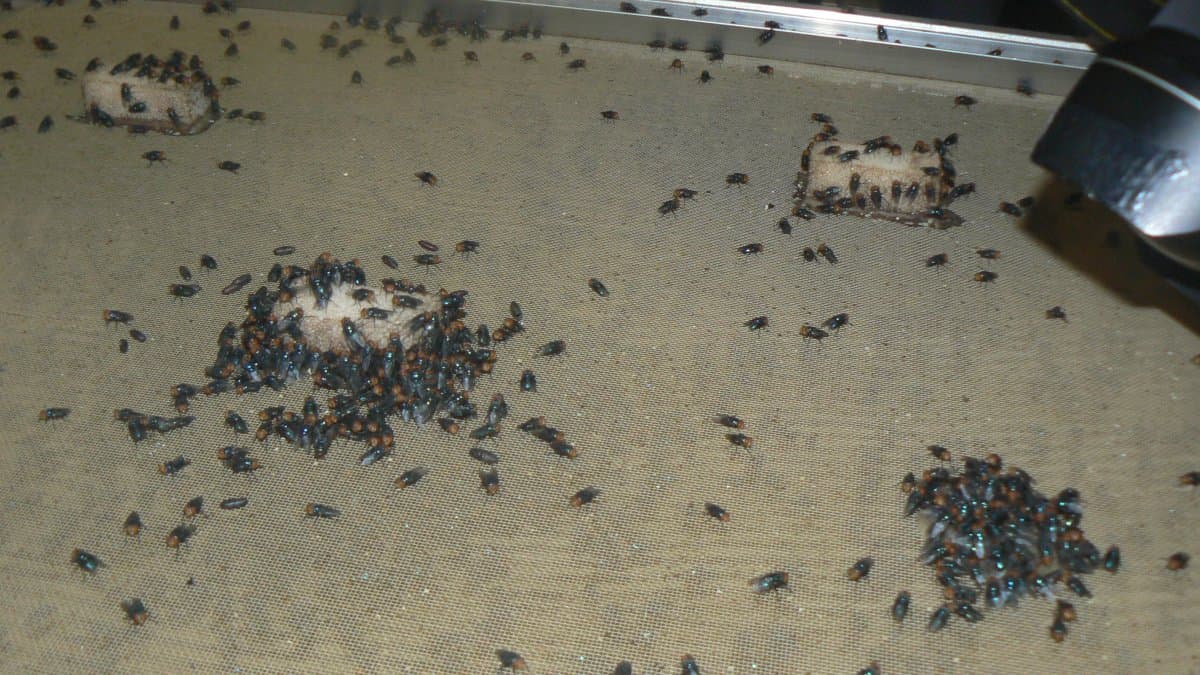
The method involves breeding millions of male flies, sterilizing them with radiation, and releasing them in mass numbers. Since wild females typically mate only once in their lifetime, if they mate with a sterile male, they will not produce offspring, leading to a gradual reduction in the population until it disappears.
Thanks to this strategy, the United States succeeded in eradicating the fruit fly in 1966, making it one of the greatest historical successes in biological pest control.
Currently, the only fully operational facility dedicated to producing these sterile flies is located in Pacora, Panama, jointly managed by the USDA and Panama's Ministry of Agricultural Development through the Panama-United States Commission for the Eradication and Prevention of the Fruit Fly (COPEG). Approximately 100 million sterile flies are produced there each week.
However, the spread of the insect through Mexico has completely changed the situation.
USDA specialists estimate that now at least 500 million sterile flies are needed each week to push the pest back toward the Darién Gap, the natural barrier between Panama and Colombia where its advance had historically been contained.
What's different about NovoFly?
The main innovation of NovoFly is that it is designed to produce only males.
In conventional production, both males and females are born. Females do not contribute to pest control, and separating them is both complex and costly.
By virtually eliminating the production of females, the USDA expects to almost immediately double the number of sterile males available without needing to proportionally expand the breeding infrastructure.
The new flies will also be sterilized using radiation before being released, just as with the strains currently in use.
The first trials will be conducted in Panama
The first phase involves keeping the insects in mesh cages exposed to Panama's weather conditions, with the goal of assessing their survival outside the laboratory.
If those results are satisfactory, researchers will begin trials at a nearby ranch, where they will release approximately 50,000 flies every few days, marked with fluorescent dyes visible under ultraviolet light to track their movements and mating ability.
The scientists acknowledge that success is not guaranteed.
One of the main questions is whether the genetically modified males will be strong and competitive enough to find and fertilize wild females.
Texas, Mexico and Panama preparing new production network
As the trials progress, the USDA continues to expand its infrastructure.
In addition to the Panamanian facility, a renovated facility in Metapa, Mexico, has already begun operations, with a projected capacity to produce an additional 100 million flies per week. At the same time, the United States is building a large production facility at Moore Air Base in Texas, designed to produce up to 300 million sterile flies per week once it becomes operational.
Authorities believe that, once all three facilities are operational, the system could once again approach the production volume that made it possible to eradicate the pest during the second half of the 20th century.
A biotechnology initiative with implications for food security
The USDA also recently announced $105 million in funding for 40 projects aimed at strengthening detection, control and response to the New World screwworm as part of a national strategy to protect U.S. agricultural production.
Although experts warn that it will likely take more than a year to fully control the outbreak even if NovoFly proves effective, they believe the new technology could significantly accelerate the eradication of a pest that threatens not only livestock but also the peace of mind of citizens working in this important sector of the economy.
🛠 Do you think there is an error in this article?
Recommendations








LATEST