ANALYSIS
Trump makes nuclear deal with Saudi Arabia contingent on joining Abraham Accords and normalizing relations with Israel
Israeli Prime Minister Benjamin Netanyahu welcomed the possibility. His office noted that Saudi recognition of the Jewish state would represent "a historic leap forward for peace in the Middle East."
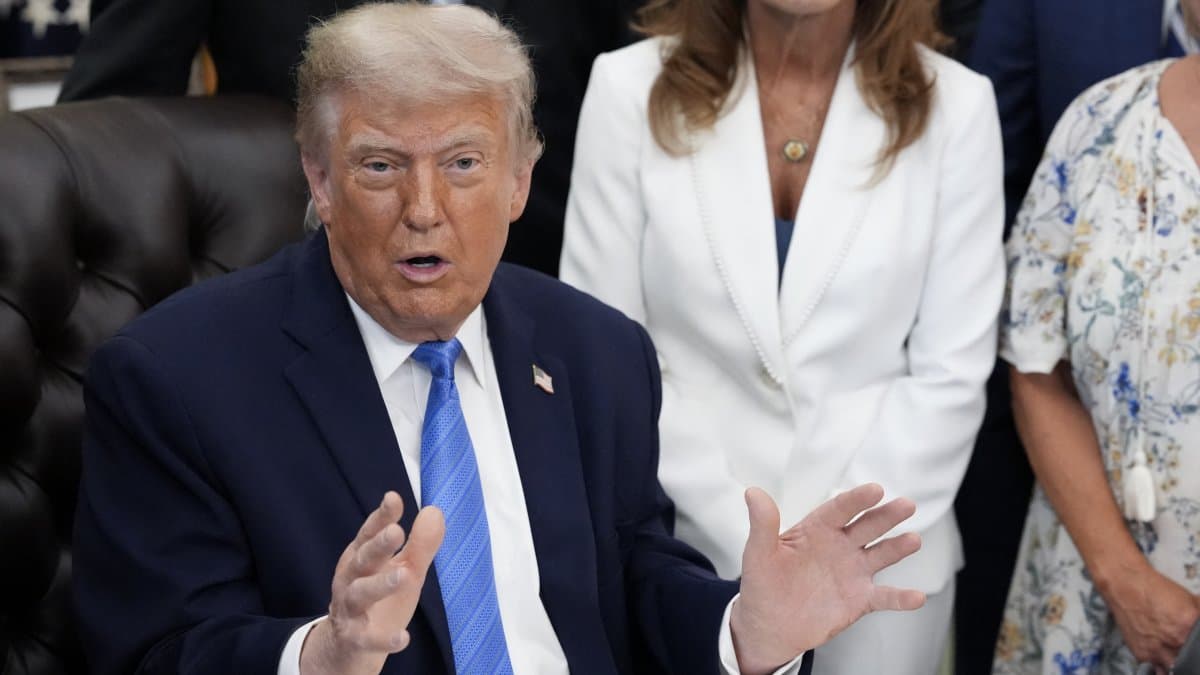

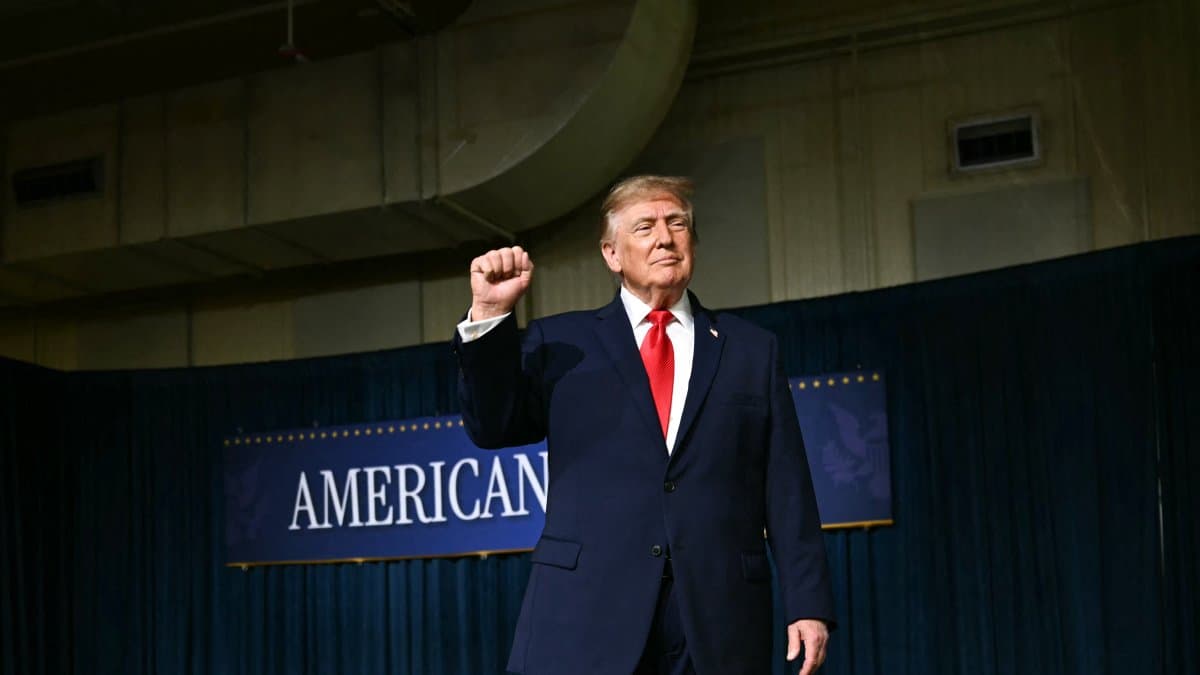
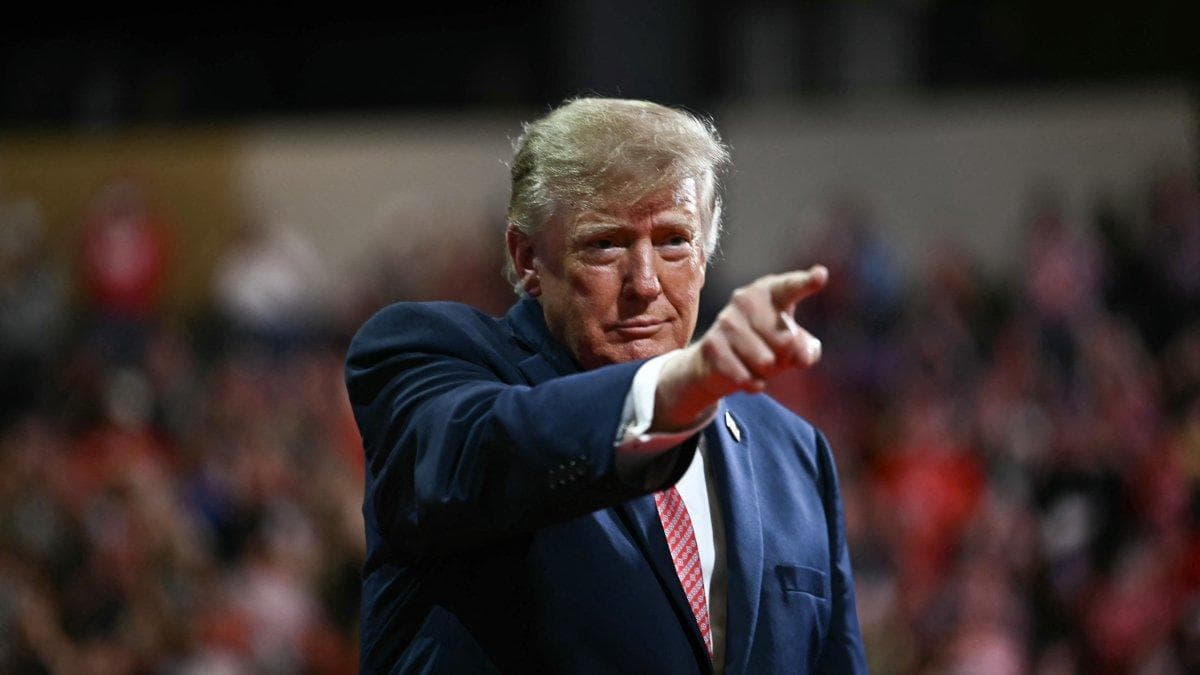
President Donald Trump made it clear on Thursday that the deal to develop a civilian nuclear energy program in Saudi Arabia will only move forward if Riyadh joins the Abraham Accords and normalizes its relations with Israel.
The agreement, announced on Wednesday, comes amid the conflict that Washington is waging with the Iranian regime—a conflict driven largely by concerns over the Islamic Republic's nuclear program.
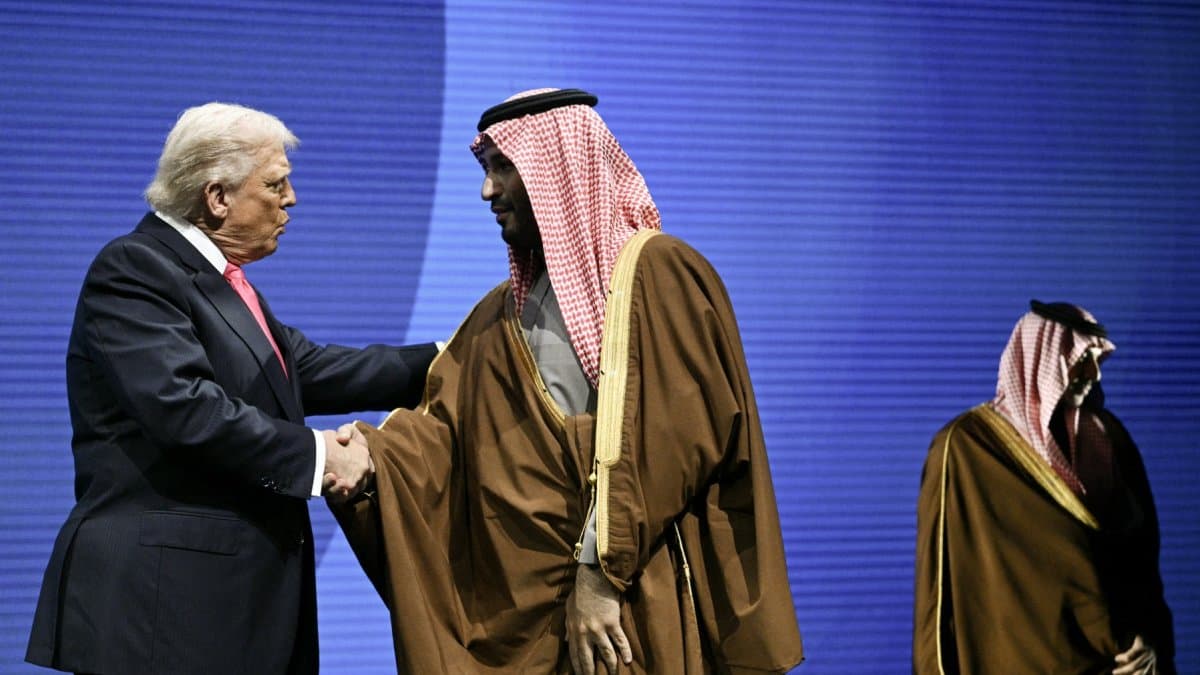
For Saudi Arabia, Iran's regional rival, the agreement was initially presented as a way to gain access to nuclear technology without being required to recognize Israel. However, Trump stated on social media that the agreement "will be approved, but is totally subject to Saudi Arabia joining the very respected and successful Abraham Accords."
According to AFP, Israeli Prime Minister Benjamin Netanyahu viewed the possibility positively. His office noted that Saudi recognition of Israel would represent "a historic leap forward for peace in the Middle East."
The deal generates revenue, but Trump denies material enrichment
The agreement is shaping up to be a potential source of billions of dollars for U.S. companies. According to The Wall Street Journal, a clause could allow U.S. companies to build a uranium enrichment plant on Saudi territory.
The U.S. Department of Energy did not confirm this point and declined to comment, while Trump wrote on Truth Social: "There will be no enrichment of material!"
World
U.S. and Saudi Arabia sign historic nuclear agreement: Kingdom is free to enrich its own uranium
Emmanuel Alejandro Rondón
Congress must review the agreement. Given the Republicans' current control, no significant delays are expected in its implementation.
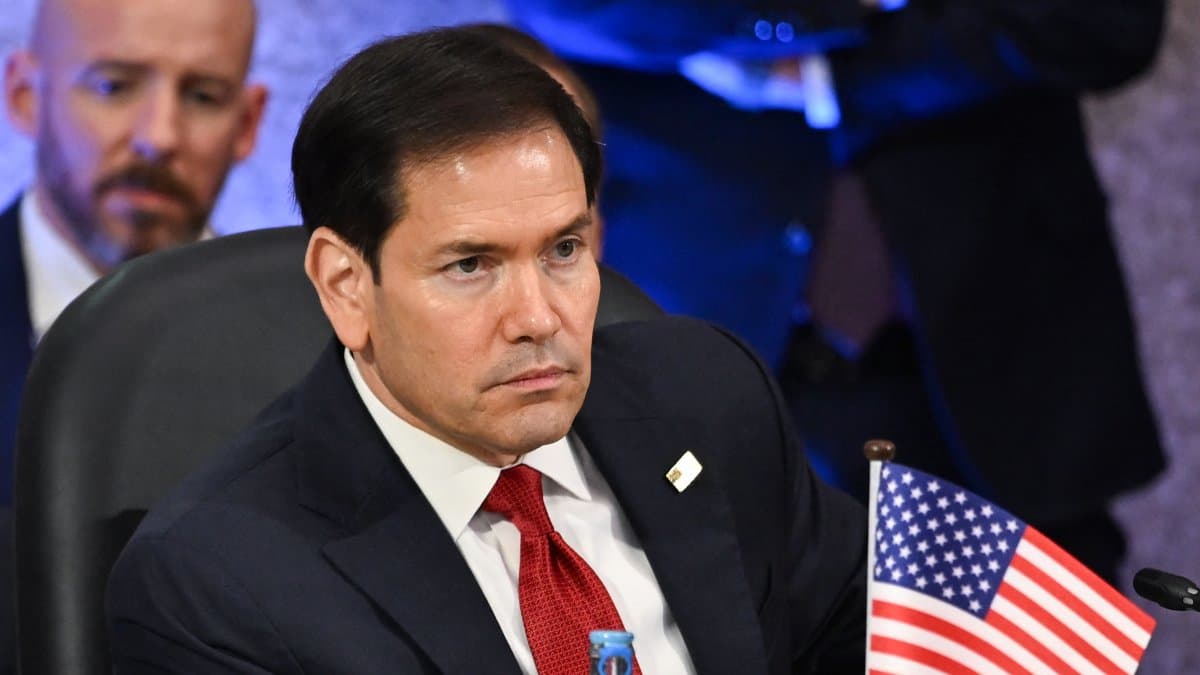
For his part, Secretary of State Marco Rubio insisted on Thursday from Manila that any civil nuclear energy agreement the United States signs with any country will include safeguards to prevent its conversion into a weapons program.
U.S. defends agreement amid proliferation concerns
Secretary of Energy Chris Wright downplayed proliferation fears. In a statement, he emphasized that the agreements serve U.S. economic and strategic interests and meet "the highest standards of nuclear safety and nonproliferation," backed by the best American technology and scientists.
Jennifer T. Gordon, director of the Nuclear Energy Policy Initiative at the Atlantic Council, described the agreement as a "victory for the US-led global nonproliferation regime" over Russia and China. As he explained, Saudi Arabia had already decided to acquire nuclear technologies and launch a civilian program; the only question was whether it would choose to work with Washington and its allies or with Moscow and Beijing.
The future of the agreement will now depend on whether Riyadh accepts the condition imposed by Trump: joining the Abraham Accords.
🛠 Do you think there is an error in this article?
Recommendations

LATEST