ANALYSIS
Confusion mounts over situation in Middle East: Trump denies Iran’s claims, insists Tehran requested meeting in Qatar; while maritime traffic in Strait of Hormuz drops again
According to the president, the next meeting will take place on Tuesday in Doha, even though the Iranian foreign minister had stated shortly before that nothing was scheduled.
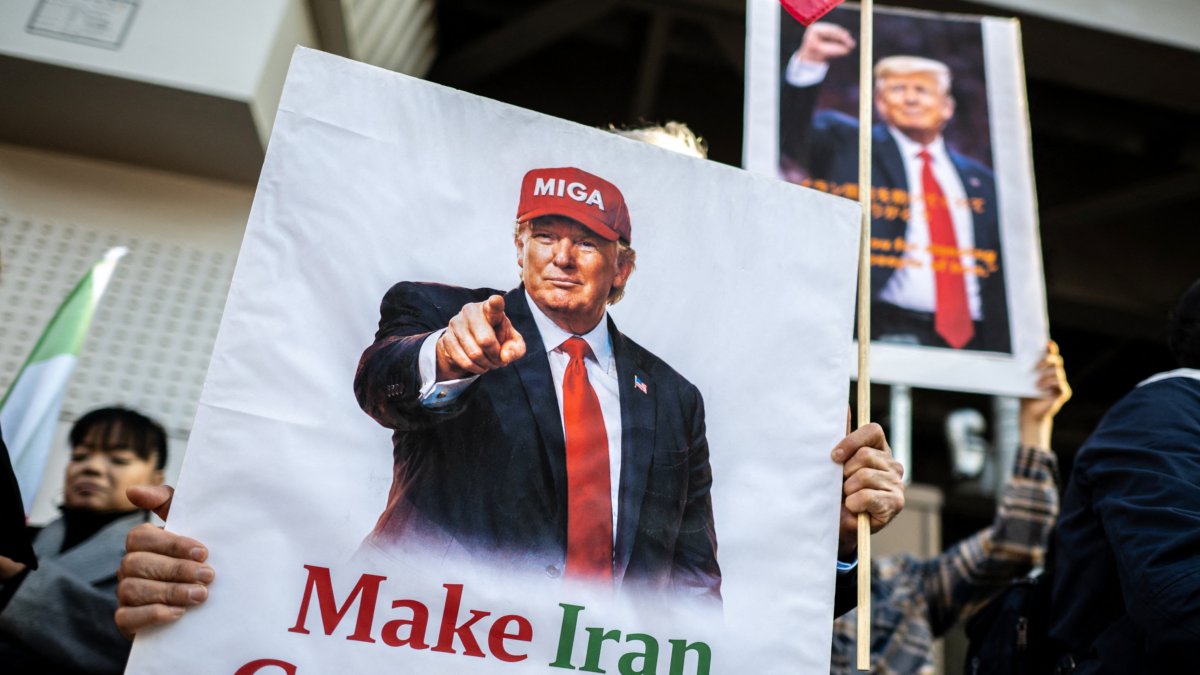
Image of Trump on a “Make Iran Great Again” poster

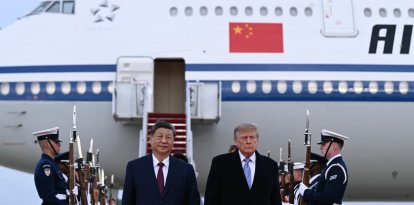
Donald Trump added a bit more confusion to the already existing uncertainty regarding the current status of the ceasefire negotiations in the Middle East. After the Iranian foreign minister denied that a new meeting would take place this week following the recent attacks between the two sides triggered by Tehran’s breach of the agreements, as Washington claimed, the president took to the stage to insist that both sides will meet on Tuesday in Doha at Iran’s request.
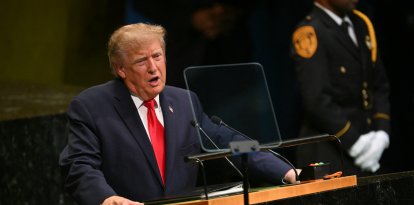
In a post on Truth Social, the president sought to nip speculation in the bud and assured on Monday that the meetings would resume this Tuesday. Trump avoided even mentioning Iran’s denial, which had been broadcast by the Islamic republic's state-sponsored media just hours earlier.
Iranian deputy foreign minister previously denied any meetings were scheduled
Just a few hours earlier, Iranian Deputy Foreign Minister Kazem Gharibabadi categorically denied reports from Washington that a new meeting had been scheduled in Doha to discuss control of the Strait of Hormuz.
Trump boasts that gas prices are already below pre-conflict levels
In addition, Trump posted two more messages on his Truth Social account in which he boasted that the price of the benchmark U.S. crude oil (West Texas Intermediate) was trading at $69 (“and heading down”), below its price before the start of "the Denuclearization of Iran," as he described the conflict.
The president also emphasized his campaign to ensure that oil companies pass on the drop in oil prices to consumers following progress in the negotiations. In this regard, he urged drivers to report any instances where they believe this is not happening.
Maritime traffic in Strait of Hormuz slows after Saturday’s attack by Iran
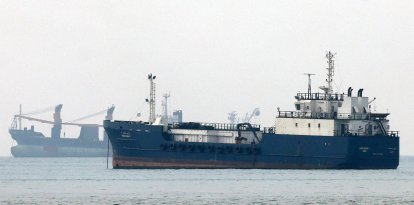
In total, 29 cargo ships crossed on Saturday and 12 on Sunday, according to data from the maritime tracking company Kpler compiled by AFP. Sunday’s figures represented a sharp decline compared to last week, when a memorandum of understanding signed by Tehran and Washington on June 15 boosted traffic through the strait to its highest level since the start of the war in the Middle East, reaching 70 crossings on Wednesday, according to Kpler.
Despite Iran’s threat against the use of unauthorized maritime routes, ships continued to use various routes through the strait over the weekend.
LATEST