Venezuela: Earthquakes leave 1,400 dead, and time is running out to find survivors
Tens of thousands of people were reported missing as collapsed buildings littered the cities of a country already suffering from an economic crisis and political turmoil. There were also fears that millions of people lacked sanitation and other basic necessities.
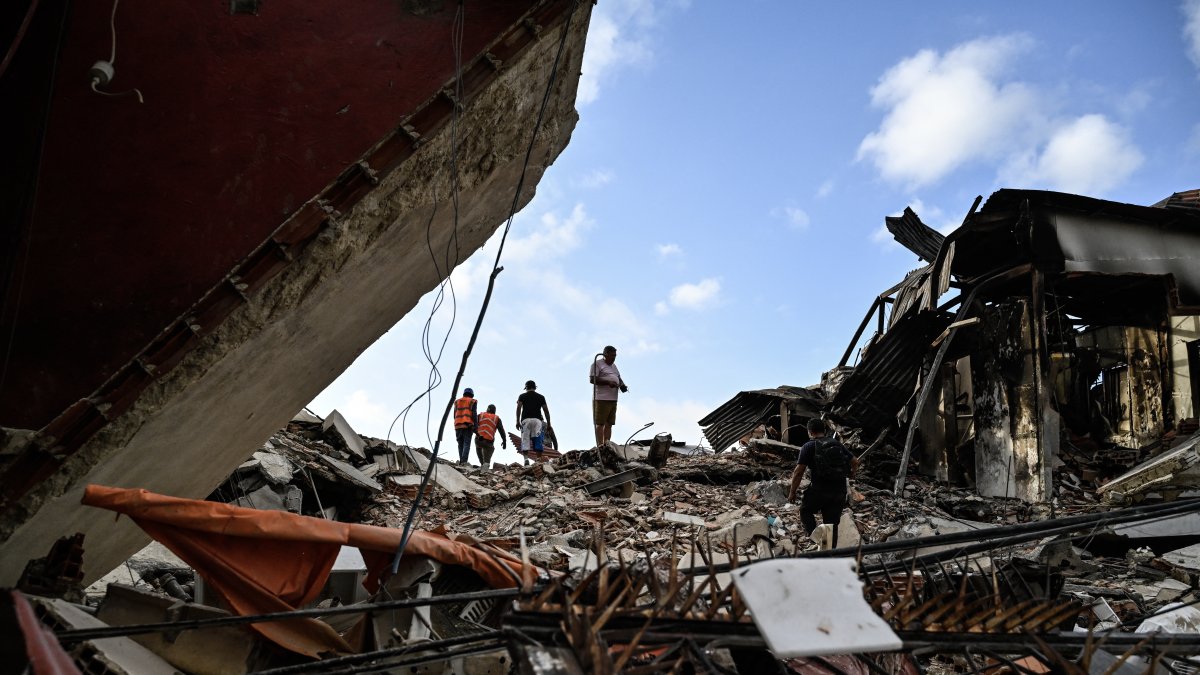
Scene after the earthquakes in Venezuela

Rescue teams rushed on Saturday to find survivors amid the rubble left by the powerful earthquakes in Venezuela, while the death toll rose to 1,430 and hopes faded more than three days after the earth roared and shook.
Tens of thousands of people were reported missing as collapsed buildings littered the cities of a country already suffering from an economic crisis and political turmoil. There were also fears that millions of people lacked sanitation and other basic necessities.
According to experts, the first 72 hours after a natural disaster constitute the crucial and limited window for finding survivors. After that time, the search focuses on recovering bodies.
A Salvadoran rescue worker, who preferred to remain anonymous, put it this way: “At this point, they’re probably dead. Thank God, maybe we can still find people alive.”
An 11-year-old boy was rescued from the rubble in Caraballeda, in the north of the country, on Saturday night, according to acting President Delcy Rodríguez.
In the face of public outrage over the response by local officials, Rodríguez thanked other countries for the large amount of aid received.
The United States reported that one of the runways at Simón Bolívar International Airport was partially operational to receive U.S. C-17 military aircraft, while a Navy ship had arrived off the coast.

Politics
Machado's Push to Return to Venezuela After Earthquakes Frustrates Trump Administration Officials
Emmanuel Alejandro Rondón
The search for survivors revealed desperate attempts by local residents to clear debris from buildings that collapsed during Wednesday’s two earthquakes.
“It’s total chaos; it’s very hot, and there’s a lot of disorganization,” said Australian firefighter Craig Demeillon, 43, who traveled alone from Miami to La Guaira to help. “Hopefully there are more people to be found.”
The UN’s humanitarian aid chief, Tom Fletcher, told AFP on Friday that the death toll could continue to rise and added that more than 50,000 people are missing.
A newborn rescued
There was joy in the hardest-hit coastal area of La Guaira, north of Caracas, when locals rescued a baby alive from the rubble on Friday, some 32 hours after the 7.2- and 7.5-magnitude earthquakes.
In a video shared on social media, a man broke down in tears as he held the baby in his arms.
The UN migration agency stated that it had reviewed available data on population and damage and determined that “up to 6.76 million people could be affected” and that “they would need emergency shelter, drinking water, sanitation and hygiene services, medical care, protection support, and essential supplies.”
The president of the National Assembly, Jorge Rodríguez, reported on Saturday that 1,430 people had died and 3,238 were injured, while the UN estimated property damage at $6.7 billion, equivalent to six percent of Venezuela’s GDP.
Permission to save lives
Venezuelans, already battered by years of economic crisis and political instability, were furious with the government. The government has restricted access to the state of La Guaira, deployed the army to the area and made it mandatory for volunteers to obtain a secure entry pass.
Yessica Mendoza was forced to transport her own daughter to the Caracas morgue after Yesimar Rodríguez, 25, and her husband Jhomel Anaya, 26, did not survive the collapse of their home in La Guaira on Wednesday.
“We were the ones who pulled them out. Help never arrived,” the 43-year-old mother told AFP, adding that the couple would be cremated without a wake due to the rapid decomposition of their bodies.
Anger flared among those waiting impatiently to volunteer as they waited for their passes outside a concert hall in the capital.
"You need a permit to save lives, can you believe it?" complained Carlos Itriago, 27.
“I’ve been here since dawn, standing in line so I can go rescue people,” said Ezequiel Rivero, 53.
"Look at the time... how many lives have we already lost?"
Venezuela is already in trouble
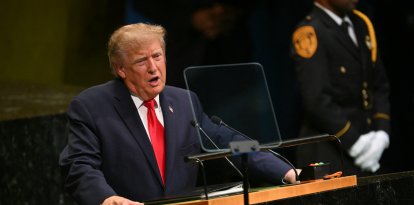
Rodríguez said he had spoken with U.S. President Donald Trump and Secretary of State Marco Rubio, who “reaffirmed their commitment to supporting the response efforts.”
The United States had previously announced the deployment of a disaster response team consisting of more than 250 people, including three special search and rescue units with dogs trained to locate people trapped under the rubble.
Twenty-one countries were sending search and rescue teams, said Parliament President Rodríguez.
The worst earthquakes to hit Venezuela in more than a century come after this oil-rich country endured more than a decade of economic collapse.
The crisis has left hospitals and public services virtually collapsed, causing millions of people to flee the country.
The country remains mired in a fragile political transition six months after Nicolás Maduro was removed from power following his arrest by the United States
LATEST