The Venezuelan regime is moving away from pro-Iranian rhetoric and signing a historic agreement with Israel
This institutional shift represents a 180-degree turn in the rhetoric of Chavismo, now led by Delcy Rodríguez.
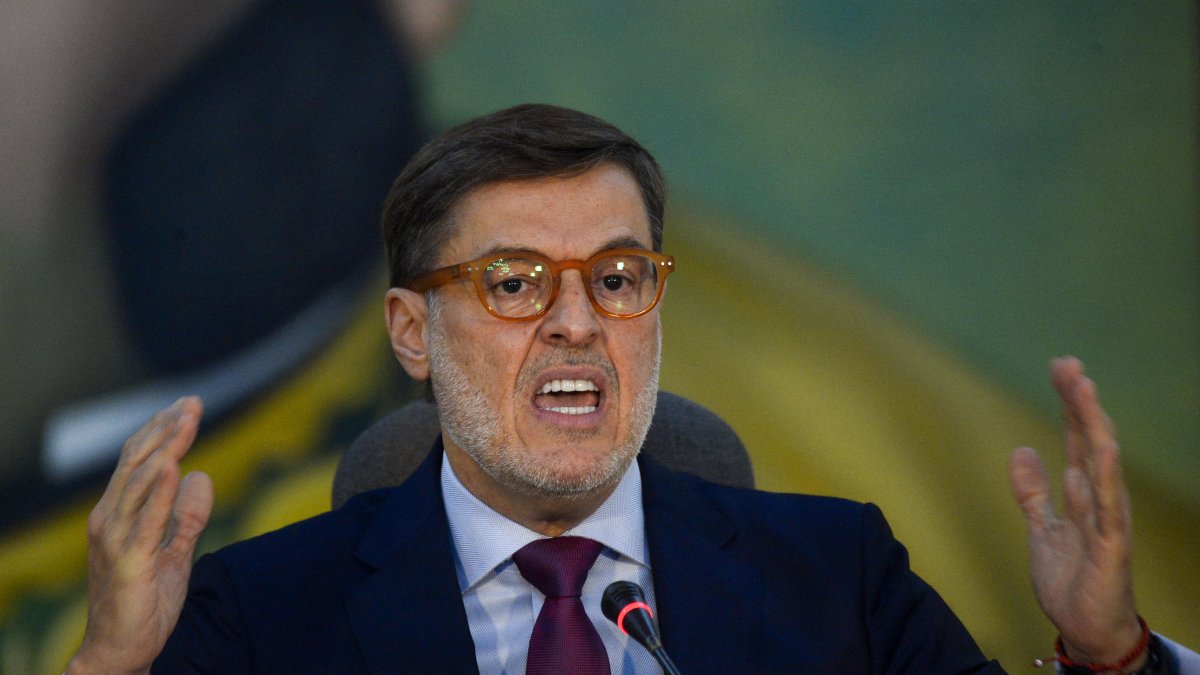
Félix Plasencia, foreign minister of Venezuela's interim government.

Venezuela's interim government and the government of the State of Israel formally announced the reestablishment of institutional communication channels and the launch of a bilateral cooperation agenda.
The decision ends nearly two decades of Chavismo's unilateral diplomatic break since 2009, a period during which Caracas forged close alliances with political actors and militias in the Middle East, especially with Iran.
According to the document issued by the Venezuelan regime's Foreign Ministry on August 11, the definitive rapprochement was solidified "following the visit of the Israeli humanitarian delegation to Venezuela in the wake of the twin earthquakes that occurred on June 24."
Subsequent talks between high-ranking officials from both nations led to an agreement to "allow for the continuation of bilateral technical cooperation" aimed at reconstruction and emergency relief efforts.
The rejection of pro-Iranian rhetoric
This institutional shift represents a 180-degree turn in Chavismo's discourse, now led by Delcy Rodríguez.
Prior to the events of January 3, 2026—a date marked by the capture of Nicolás Maduro—the Chavista official maintained a stance strongly aligned with pro-Arab causes.
Social media posts and official speeches systematically condemning the Jewish state were commonplace, often accompanied by the public wearing of the keffiyeh, the traditional Arab headscarf used as a political symbol of resistance. The realignment of power in Caracas appears to have buried that ideological belligerence in favor of a pragmatic approach to international engagement.
The signed agreement establishes a stable coordination mechanism for "the provision of consular services to their respective citizens residing in the other country," a measure with significant logistical implications for local communities.
It is worth noting that just a few weeks ago, the Chavista regime summoned Iran's ambassador, Ali Chegini, to Caracas to present him with a formal note of protest over "derogatory and inappropriate remarks" about the country's institutions and authorities, further deepening the rift between the two nations
A historic bridge with the Jewish community
This rapprochement not only addresses the technical needs arising from the recent natural disaster but also explicitly acknowledges historical demographic factors within Venezuelan territory.
In the concluding section of the official text, the Chavista government highlighted the value of preexisting cultural ties that survived years of governmental estrangement.
"Both governments recognize the importance of the bond between the State of Israel and the Jewish community residing in Venezuela, which constitutes an important historical bridge of friendship between the two countries," the communiqué signed in Caracas states.

World
End to 16 years of harassment: Venezuelan regime permanently closes high-profile case of judge persecuted by Hugo Chávez
Andrés Ignacio Henríquez


World
María Corina Machado cements her leadership, reaches record popularity in Venezuela
Andrés Ignacio Henríquez
LATEST