Iran and the U.S. Reach a 60-Day Roadmap: Threats and Conflicting Reports Nearly Derailed the Talks
The first round stretched over roughly 18 hours at the Alpine resort of Bürgenstock and unfolded in chaos: threats from Trump, Iran's announcement that it would close the Strait of Hormuz, a brief walkout by the Tehran delegation, and conflicting reports that ran for hours before mediators confirmed progress.
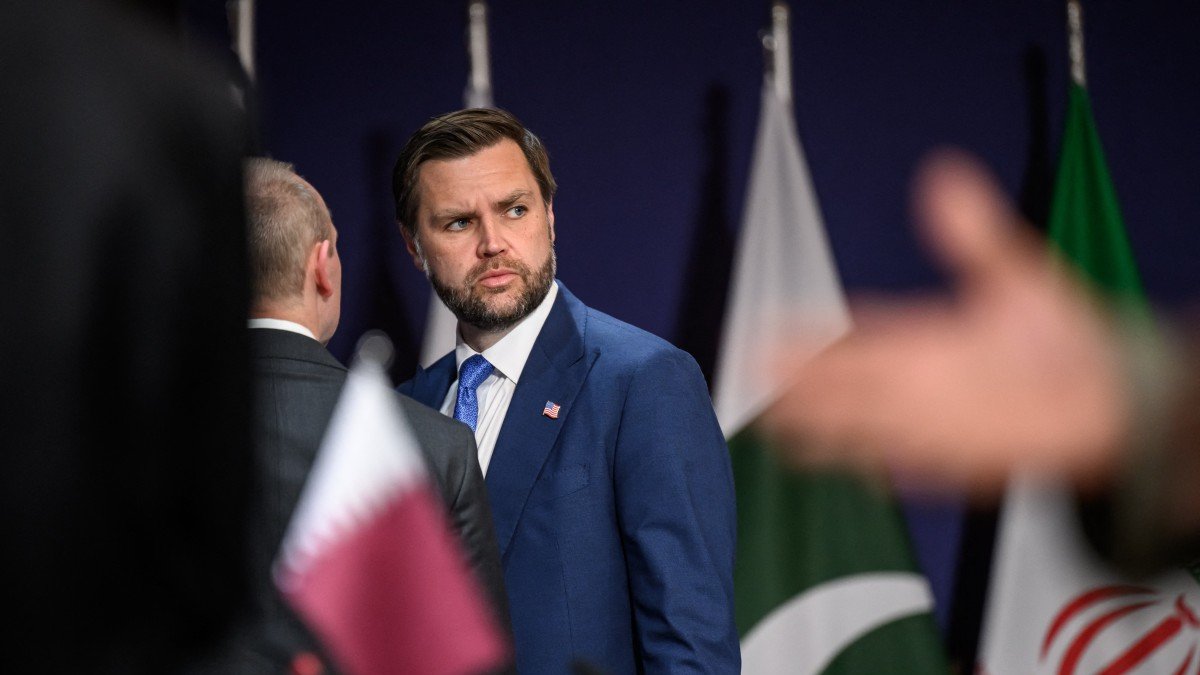
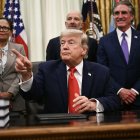
JD Vance surveys his surroundings before a four-way meeting between the U.S., Iran, Pakistan, and Qatar

Iran and the United States agreed, after a marathon day, on a roadmap to reach a final agreement within 60 days that would end the conflict in the Middle East, the most concrete outcome of the first round of direct negotiations held at the Bürgenstock Alpine resort, in Switzerland.
The announcement was made in a joint statement by the mediating countries, Qatar and Pakistan, released at the conclusion of the talks and echoed by both governments. According to the text, a newly created High-Level Committee agreed on "a roadmap" to reach a final deal within 60 days, setting the stage for the immediate start of new technical talks.
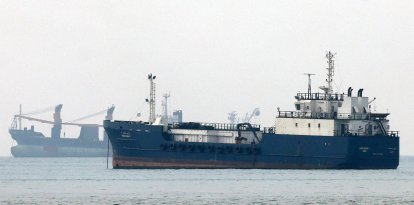
The committee will provide political oversight of the negotiations and work alongside groups focused on Iran's nuclear program, sanctions, and a monitoring and dispute-resolution mechanism. The parties also agreed to set up a communication line over the Strait of Hormuz —to avoid incidents and ensure safe passage for commercial vessels while the talks continue— and a "de-confliction cell" with Lebanon and the mediators "to ensure the adherence of the termination of military operations" in the country.
Iranian Foreign Minister Abbas Araghchi noted on 'X' that "tireless Pakistani and Qatari mediation has delivered major progress to end Lebanon War." The official listed the concessions obtained: "Oil and petrochem exports are waived, blockade lifted, some frozen assets released, and major reconstruction & development plan launched for Iran." Even so, he pointed to the first "real test" as the "Lebanon deconfliction cell," the mechanism meant to ensure the end of military operations in the country, where Israel is fighting the terrorist group Hezbollah.
A marathon day of conflicting reports
The deal came at the end of a roughly 18-hour session that teetered on the brink of collapse several times. The teams, led by U.S. Vice President JD Vance and Iranian Parliament Speaker Mohammad Bagher Ghalibaf, began meeting on Sunday, but the agenda was diverted from the nuclear program toward the recent flare-up of violence in Lebanon. The talks aimed to shore up the memorandum of understanding both sides signed on Wednesday, which calls for reopening Hormuz —through which nearly a fifth of the world's oil passes—, lifting the blockade on Iranian ports, and opening 60 days of nuclear negotiations.
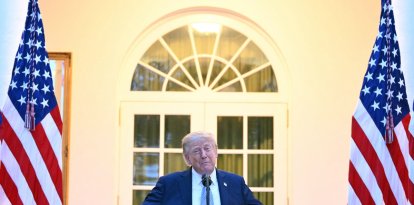
During the day, Trump hardened his tone on Truth Social and threatened to "hit Iran very hard again, just like we did last week, only harder!!!" unless Tehran reined in its "highly paid PROXIES in Lebanon," a reference to Hezbollah. In a Fox News interview, he warned that if Iran closed the Strait of Hormuz, "you won't have a country." Iran, which had announced on Saturday that it was closing the waterway —a claim the U.S. military denied—, reacted sharply: affiliated media reported a brief withdrawal of its delegation, and Ghalibaf went so far as to warn that "our armed forces are ready to respond in a different way."
Despite the standoff, Vance kept an upbeat tone and said the sides had "already made great progress over just the last few hours." The confirmation of the joint statement cleared, at least for now, the risk of a breakdown and set in motion a two-month process whose first test will be sustaining the ceasefire in Lebanon.
LATEST