The eruption of Guatemala's Fuego volcano has ended after more than 1,700 people were evacuated
Authorities authorized residents to return to their communities, though they warned that risks still remain due to falling ash, volcanic debris flows and the possible formation of lahars.
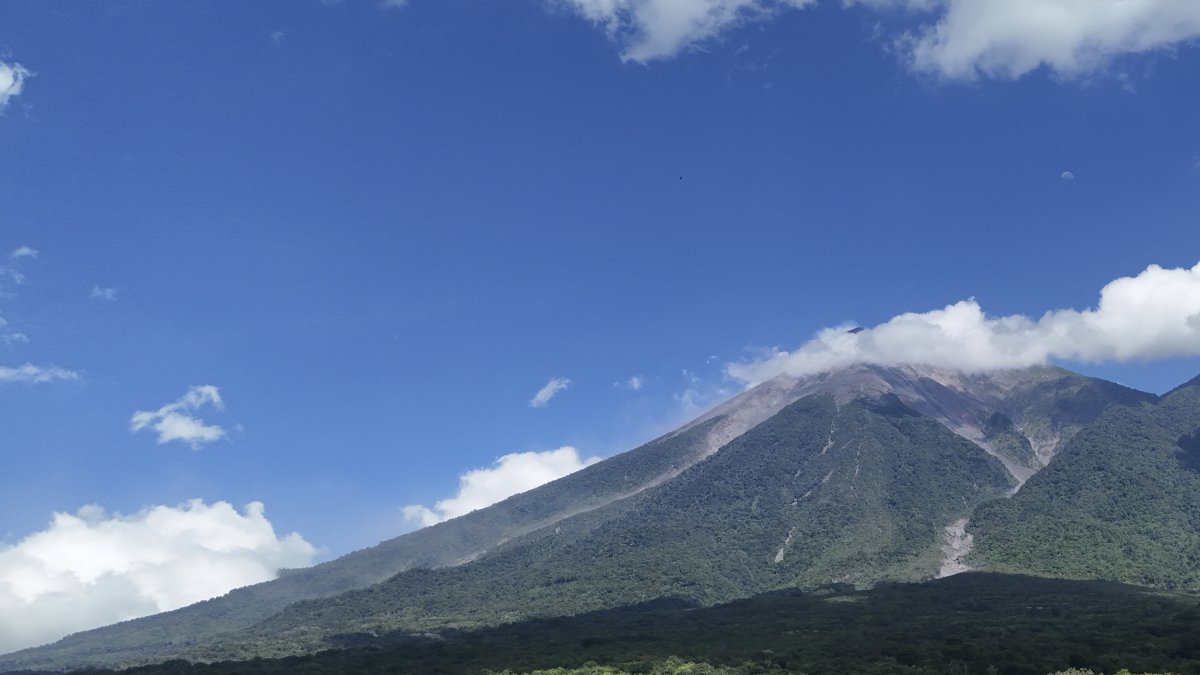
The Fuego volcano after its eruption in Guatemala

The eruption of the Fuego volcano, in Guatemala, ended Wednesday after approximately 50 hours of activity and following the preventive evacuation of more than 1,700 residents from nearby communities.
Guatemala's National Institute of Seismology, Volcanology, Meteorology and Hydrology (INSIVUMEH) reported that the eruptive episode had concluded after a gradual decrease in seismic and volcanic parameters was recorded.
The volcano, considered the most active in Central America, began a new eruptive phase on Monday that intensified overnight, with lava flows, columns of gas and ash and pyroclastic flows descending through several ravines.
The intensification of the activity led authorities to evacuate residents from at least 18 communities located on the slopes of the massif and to declare a red alert in the departments of Escuintla, Sacatepéquez and Chimaltenango. Classes were also suspended, and some sections of nearby roads were temporarily closed.
Risks persist despite the end of the eruption
Although the eruptive episode was declared over, INSIVUMEH warned that volcanic material avalanches could still occur on the slopes and that ash could still be dispersed toward various communities, according to AFP.
Authorities are also maintaining vigilance due to the possibility that rainfall could dislodge accumulated material and trigger lahars, mudflows composed of water, ash, rocks and other volcanic debris.
The National Coordinator for Disaster Reduction (CONRED) urged the public to avoid ravines and follow the instructions of local authorities, as these flows can descend rapidly and affect roads, bridges and nearby communities.
The risk of ash also led authorities to recommend precautions for air traffic and protective measures for residents, such as wearing masks, covering water tanks and protecting food supplies.

Residents return to their communities
Several families had begun to voluntarily leave the shelters before the official announcement. In the municipality of San Juan Alotenango, for example, more than 360 people from two villages returned to their homes of their own accord.
Authorities have reported no casualties or structural damage as a result of this new eruption.
The memory of the 2018 tragedy
The Fuego volcano, which is 12,346 feet high and located approximately 22 miles from the Guatemalan capital, is one of the country's three active volcanoes, along with Pacaya and Santiaguito.
On June 3, 2018, a violent eruption generated pyroclastic flows that swept away entire communities. The tragedy left hundreds dead and missing and affected more than 1.7 million people.
The most recent eruptive phases were recorded in February 2026 and June 2025. The latter also forced the preventive evacuation of hundreds of residents.
Despite the end of the current episode, authorities stated that they will continue to monitor the volcano and nearby communities, as ash fall and lahars may continue even after eruptive activity subsides.
LATEST