Inflation rose 3.8% in May, in line with market expectations, spurred by Iran war
Spurred by the Iranian blockade of the Strait of Hormuz, Americans spent 28.8 billion more on gasoline and saw income fall 0.1%, while spending rose 0.5%.
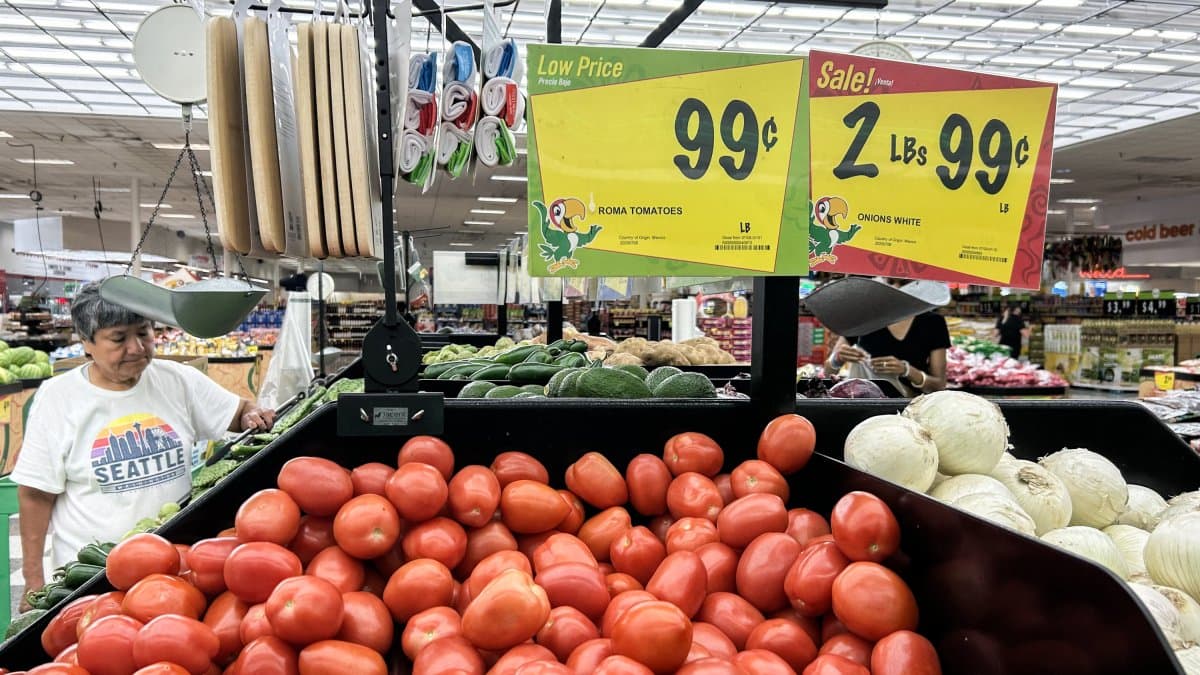

The Personal Consumption Expenditure (PCE) Price Index, the Federal Reserve's (Fed) preferred measure of inflation, posted a year-over-year increase of 3.8% in April, its highest level since 2023, according to official data from the Department of Commerce released Thursday. The figure is up from 3.5% in March and exactly in line with expectations.
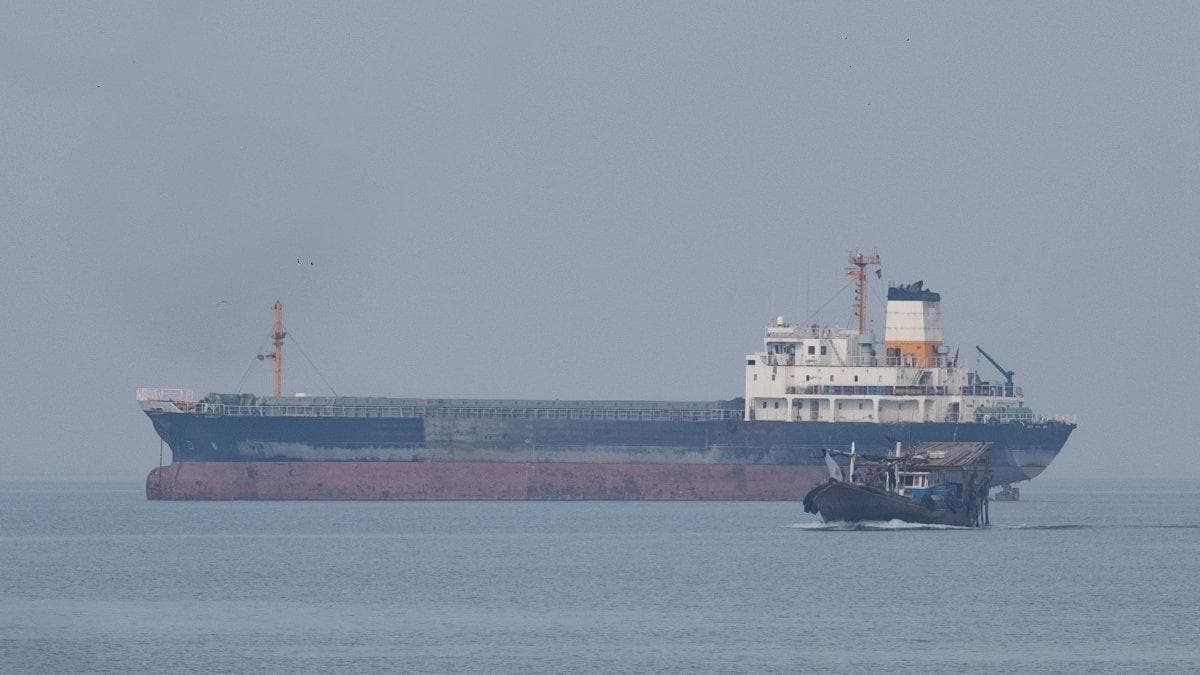
The rebound comes amid the economic impact of the war against the Iranian regime and the blockade that Tehran imposed on the Strait of Hormuz, a critical artery through which about 20% of the world's oil and gas flows, sending global energy prices soaring.
The data reveal direct pressure on U.S. households: personal consumption expenditures rose 0.5% in April, but disposable income fell 0.1%.
On fuel alone, consumers spent $28.8 billion more on gasoline and related products in April over the same month last year. According to the AAA auto club, the average price of a gallon of regular gasoline in USA has risen about 48% since the start of the conflict.
Core inflation at 3.3%
Core PCE inflation, which excludes volatile food and energy prices, came in at 3.3%. The Fed, under the new leadership of Kevin Warsh, is keeping interest rates unchanged after pausing cuts in January. Several officials have signaled the possibility of a rate hike to combat persistent inflation, which has been above the 2% target for more than five years.
In this scenario, President Trump has maintained an unprecedented campaign pressuring the Fed to lower interest rates and accelerate economic growth, even if that implies inflationary risks in the short term.
🛠 Do you think there is an error in this article?
Recommendations



LATEST