The US and Venezuela's interim regime are in talks to include the opposition on the Central Bank's new board of directors and restore its credibility
The exchanges between Washington and Caracas contemplate adding politicians, academics and opposition figures to the board of directors of the BCV. The measure would be fundamental to reconnect the country with the international financial system.
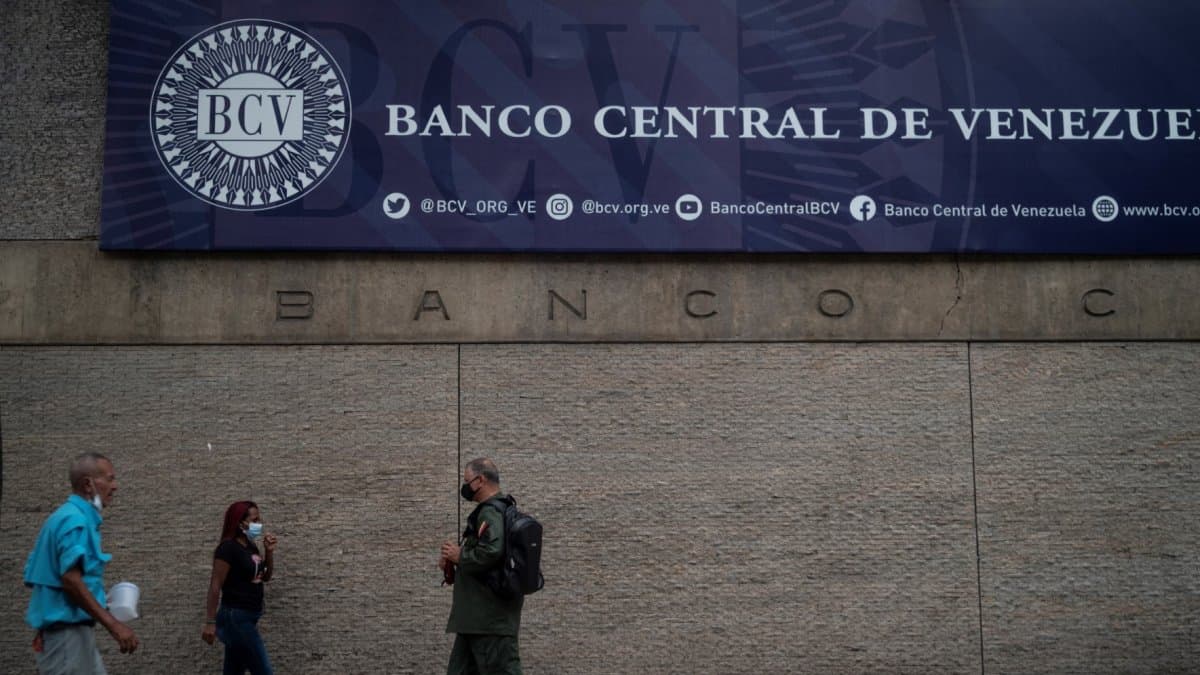

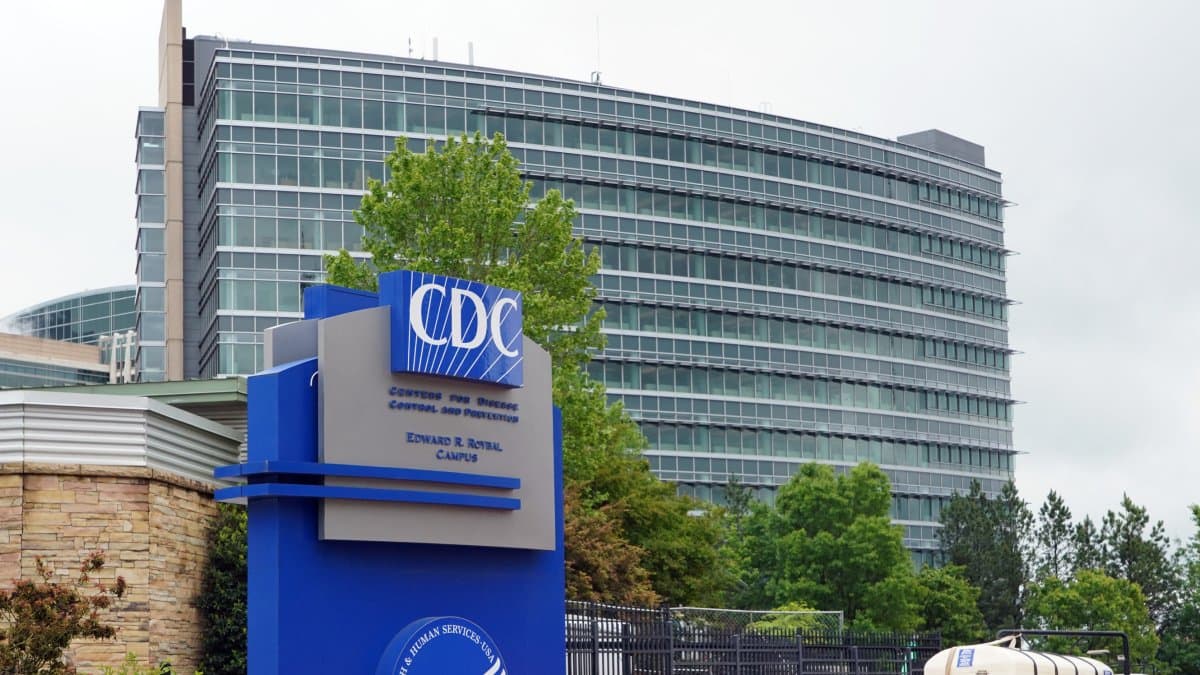
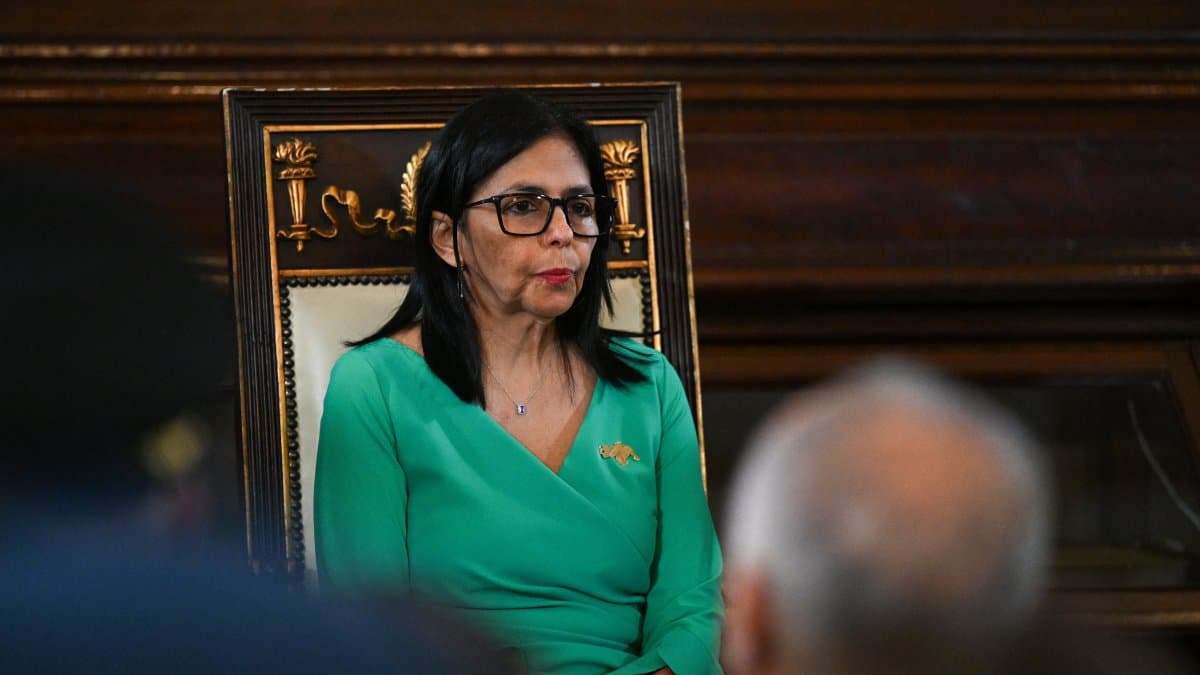
U.S. officials and representatives of the interim regime led by Delcy Rodriguez are discussing the incorporation of members of the political opposition and independent figures to the board of the Central Bank of Venezuela (BCV), a step that Washington and investors consider indispensable to rebuild the country's institutional credibility after 25 years of Chavista dictatorship.
According to a report by Bloomberg, sources familiar with the negotiations between Caracas and Washington stated that several candidates, among them politicians, academics and opposition figures, have already been contacted by officials to gauge their willingness to accept the position and serve within the BCV, an institution that, like many others, was hijacked by the Chavista regime during the terms of former presidents Hugo Chávez and Nicolás Maduro, who remains in New York awaiting trial for narcoterrorism. Deliberations on the reconfiguration of the BCV board are still ongoing, pending final decisions.
Venezuela seeks to reconnect with the international financial system
The initiative comes at a key moment for Venezuela. Last week, the United States partially eased sanctions that had weighed on the BCV since 2017, when Maduro was still in power, allowing it to reconnect with the global financial system. A few days later, Laura Guerra, who had presided over the agency since April 2025, resigned from the post. Her vice president, Luis Perez, was appointed as interim replacement and, according to Bloomberg, it is still unclear whether he will remain at the head of the board when changes are made.
The board of directors of the BCV is composed of six directors and a president, all of whom, in theory, must be appointed by the Executive Branch and ratified by the National Assembly. One stumbling block is that the current National Assembly that operates de facto in Venezuela was handpicked by the Chavista regime, with a majority of pro-government legislators and a few members of a sterile opposition.
Politics
The US accelerates the roadmap in Venezuela and is already analyzing ways towards a 'democratic transition'
Andrés Ignacio Henríquez
According to Bloomberg, operating from this Chavista Assembly—which runs parallel to the opposition-majority Assembly previously dismantled by Maduro himself—regime-allied legislators have stymied transition efforts, preventing, for instance, the appointment of an opposition figure to the post of Ombudsman, a position that ultimately went to Eglée González, whom Venezuelan analysts identify as a trusted loyalist of Delcy Rodríguez.
A similar episode occurred with the appointment of Larry Devoe as attorney general, also sworn in on April 9 by an Assembly presided over by Jorge Rodríguez, brother of the interim leader. Both appointments were read by analysts consulted by VOZ as a sign of backtracking in the transition and as part of the regime's attempt to rearrange itself to maintain control of the levers of power under U.S. tutelage, which has already publicly recognized that Delcy Rodriguez seeks to buy time during this process of stabilization of the country after Maduro's capture.
At present, the country's international reserves stand at $13.6 billion, a figure that includes some $5 billion in special drawing rights from the International Monetary Fund, which the regime hopes to access soon.
In early April, the outgoing board of directors and the second vice president received formal requests to resign from their positions. On April 16, they delivered their final reports to the bank's presidency.
Contacts with the opposition and denial from chavismo
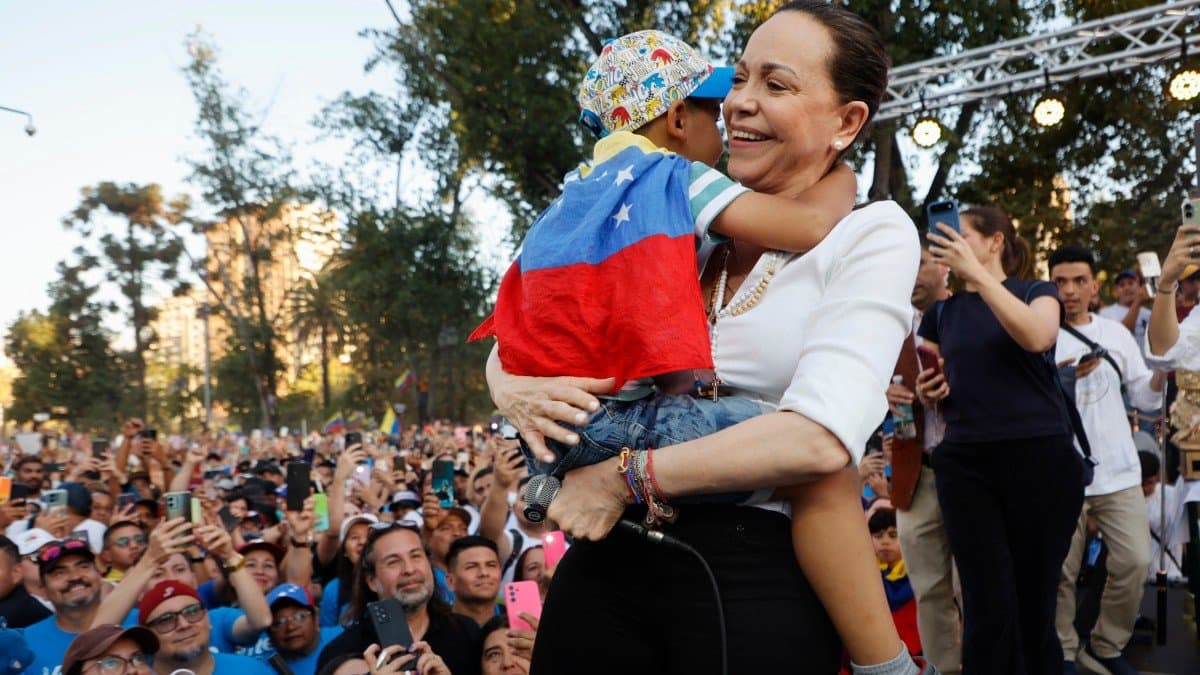
Bloomberg consulted the team of opposition leader and Nobel Peace Prize winner María Corina Machado, as well as the Department of State. No one immediately responded to a request for comment. Instead, the Chavista regime, from its X rapid response account, denied the Bloomberg report, calling it a "fake."
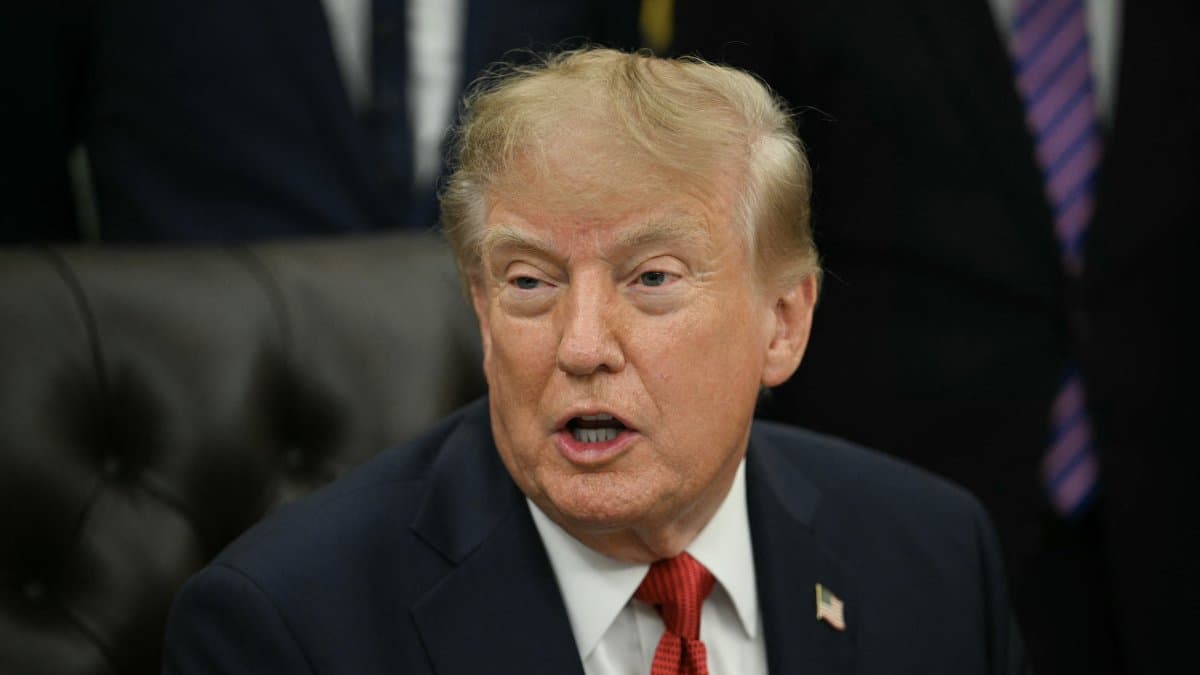
After the capture of Nicolás Maduro on January 3, President Donald Trump declared that the United States would lead Venezuela "until such time as we can make a safe, appropriate and prudent transition." Secretary of State Marco Rubio has outlined a three-phase plan: stabilization, recovery and transition. He has insisted that oil revenues would be managed for the Venezuelan people rather than the Chavista regime. Rubio has repeatedly insisted that Venezuela will hold an electoral process, but patience is needed to reach this point. Meanwhile, Trump has said that current relations between Caracas and Washington are "very good," as the interim Rodriguez regime is responding to U.S. requests.
The incorporation of opponents and independents into the BCV would, if accomplished, be the first formal attempt to clean up a key institution heading towards a reconverted Venezuela. The immediate precedent, however, is not very encouraging: in the two previous positions where power sharing was discussed, Chavismo imposed its own appointees.
🛠 Do you think there is an error in this article?
Recommendations
LATEST