Nicaragua's phantom Grand Canal: Ortega regime continues to fund nonexistent project
Budget execution reports cited in recent investigations indicate that spending associated with the canal is not limited to token items. In recent years, disbursements in excess of millions of córdobas per year have been recorded, mainly for administrative operations.
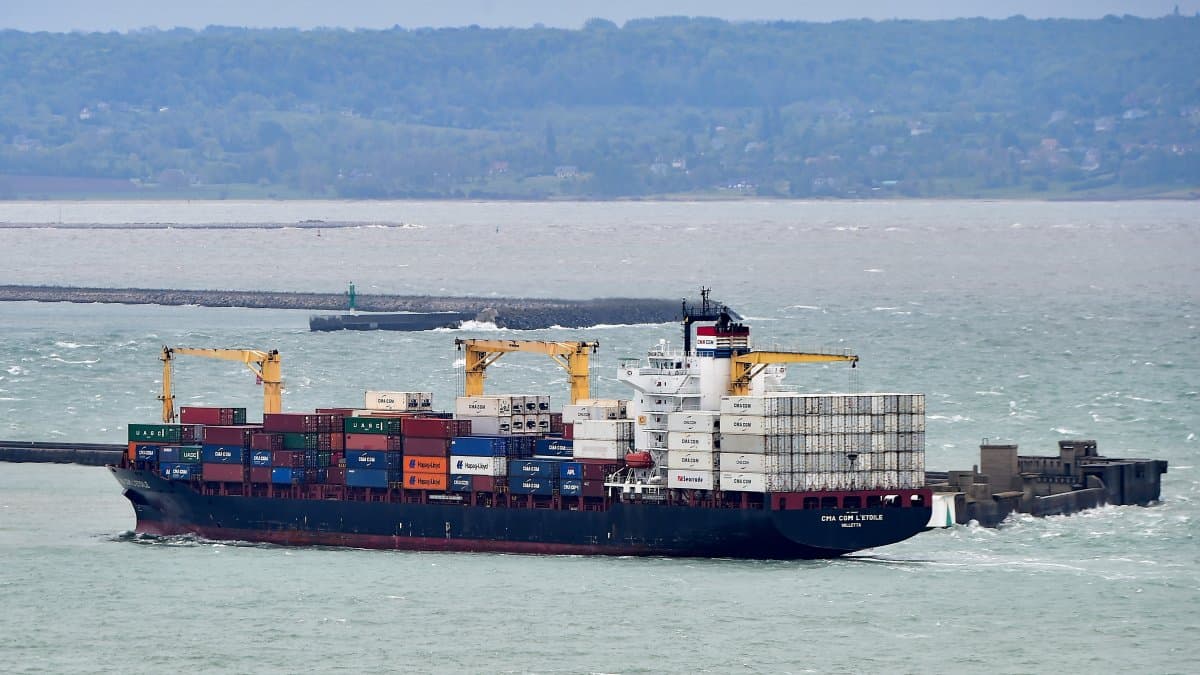

The Grand Canal of Nicaragua, conceived as an alternative to the Panama Canal and presented at the time as a historic economic transformation, continues to be a target public spending despite having been stalled for more than a decade.
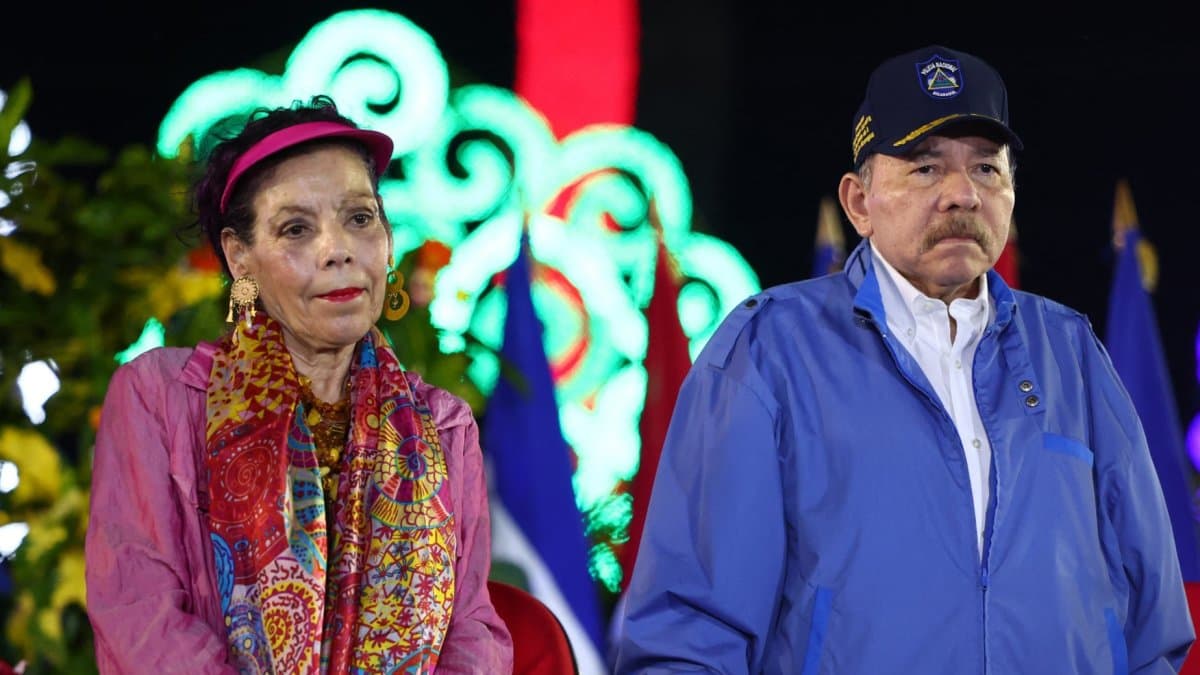
According to research published by specialized media such as America Malls & Retail and compilations of budget execution cited in various newspaper reports, Daniel Ortega and Rosario Murillo maintain annual allocations to the Grand Interoceanic Canal Authority, the state entity in charge of the project, despite the fact that there has been no construction activity since approximately 2014.
In the last budget cycle, more than $250,000 was allocated to this institution, a modest figure compared to the initial estimated cost of the project, which was around $50 billion, but significant for its continuity over time and the absence of tangible results.
"Invisible work": No machines despite lofty budget
The Great Interoceanic Canal Authority continues to appear as an executing unit of the state, with allocations destined mainly to operating expenses: salaries, administrative functioning and institutional maintenance.
According to data cited by America Malls & Retail, these funds do not translate into physical or infrastructure advances, but rather into the sustainability of a bureaucratic structure linked to a project that has been paralyzed for years.
The agency was created to supervise the construction and eventual operation of the interoceanic waterway, but there is currently no evidence of work in progress or active private investment.
Politics
OFAC sanctions sons of Nicaraguan presidential couple and companies that trade gold
Williams Perdomo
The project that never got off the ground
The Grand Canal was formally promoted in 2013 through Law 840, which granted a concession to the Chinese company HKND Group, led by businessman Wang Jing. In 2014, symbolic acts of breaking ground and some preliminary work were carried out, but the project was halted amid financial difficulties and the subsequent stock market crisis in China between 2015 and 2016.
Since then, the concessionaire disappeared from the operational landscape and the project lost international interest. However, the legal structure , including state authority, has remained in place.
The weight of Law 840 and territorial uncertainty
One of the most sensitive elements of the case is the validity of Law 840, which grants the state the power to expropriate land along the projected route of the canal. According to land worker organizations and specialized media reports, this situation keeps communities in southern Nicaragua and areas near Lake Cocibolca in uncertainty.
Various analyses signal that the persistence of this legislation generates a scenario of legal insecurity for thousands of families, even without real progress on the project.
Budget without work
For 2026, the budget again provides resources for the entity, confirming the institutional continuity of the project despite its technical inactivity.
Neighbors moving forward
While Nicaragua maintains an administrative structure without physical work, other countries in the region have advanced in logistics infrastructure projects.
Panama continues to operate and expand its interoceanic canal, one of the world's main maritime corridors. Mexico, for its part, is promoting the Interoceanic Corridor of the Isthmus of Tehuantepec, a rail and port project with public and private investment underway.
In contrast, the Nicaraguan Grand Canal remains a project without construction, with no active concessionaire and no clear operational horizon.
No ships, but administrative offices
More than a decade after its announcement, the Nicaragua Grand Canal has become a paradigmatic case of an unfinished megaproject: no dredges, no machinery, no workers, but with an administrative structure and active budget items.
The result is a scheme in which the infrastructure does not exist on the ground, but does exist in the official records of the state.
The canal that never was
In the absence of concrete progress, the canal has become symbolic infrastructure: a project that survives not on Nicaraguan territory, but in the accounting records of its own state.
🛠 Do you think there is an error in this article?
Recommendations






LATEST