






2025, a lethal year: nearly 8,000 dead and missing on migration routes according to the UN
The Missing Migrants Project's updated report documents more than 82,000 deaths and disappearances since 2014, evidence of the persistent nature of the crisis.
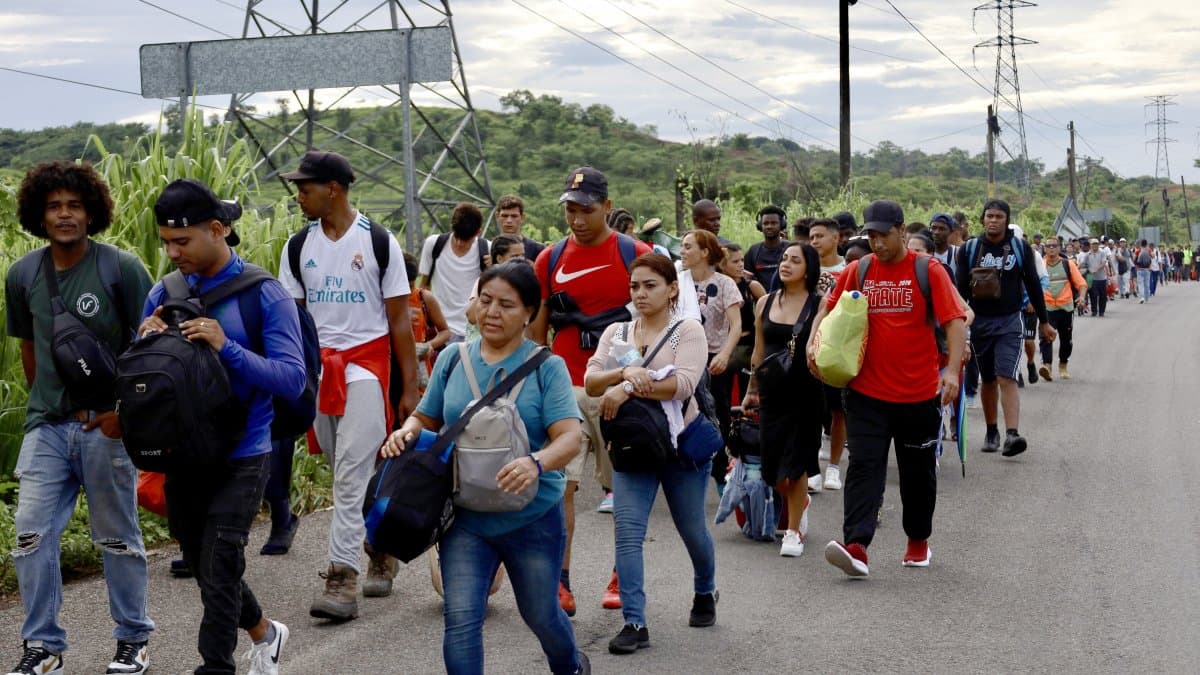

In Geneva, the International Organization for Migration (IOM) alerted that nearly 8,000 migrants died or disappeared on migration routes in 2025, a figure that confirms that displacement remains highly dangerous globally, despite recent changes in flows.
According to data released by the United Nations agency, at least 7,900 people died and some 1,500 remain missing during the last year in different migratory corridors.
A cumulative toll on the rise
The updated report of the Missing Migrants Project documents more than 82,000 deaths and disappearances since 2014, evidence of the persistent nature of the crisis. The IOM further estimates that at least 340,000 family members have been directly affected by these losses.
However, the agency stresses that these figures represent a minimum, due to the difficulty of registering all cases on more remote or irregular routes.
"Migration routes are changing due to conflict, climate pressures and policy changes, but the risks remain very real," said Amy Pope, the IOM's director general. She added that behind every number are people undertaking dangerous journeys and families who, in many cases, never receive news.
Changes in routes, not risks
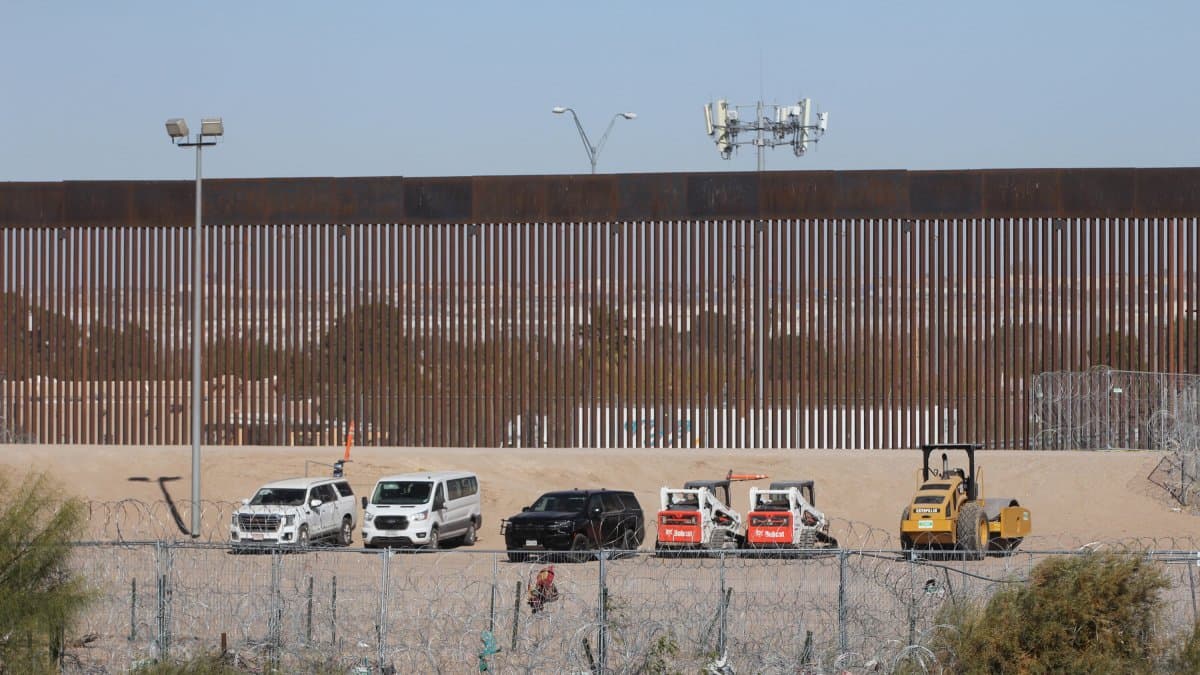
On the contrary, routes have become longer, fragmented and more dangerous. Factors such as armed conflicts, more restrictive migration policies and the impact of climate change are changing traditional routes.
In the Americas, for example, northbound flows decreased compared to 2024, while in Europe total arrivals fell, although migrant profiles changed. In Africa, some routes have intensified or diversified, increasing risks on longer and less controlled journeys.
Persistent humanitarian crisis
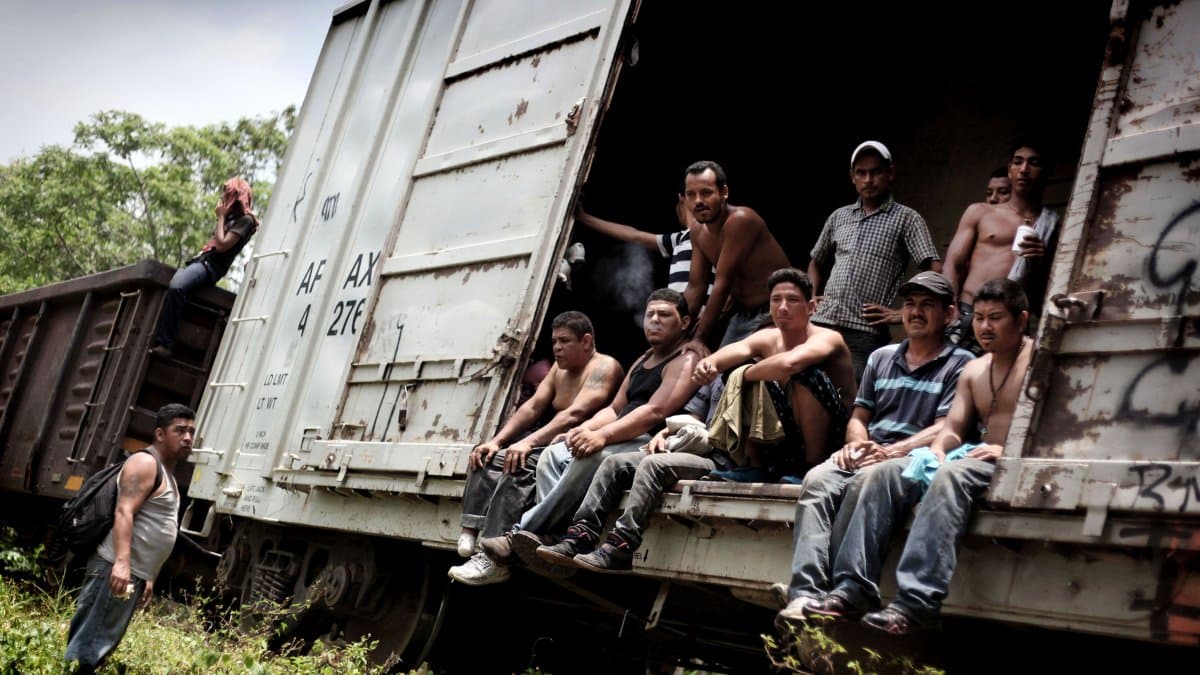
The report warns that thousands of migrants remain stranded in border areas with limited access to basic services such as shelter, medical care and protection. At the same time, increased returns and relocations are creating new pressures on local communities.
"The evidence is clear: less displacement does not automatically mean safer travel," stresses the IOM, which insists on the need to strengthen international cooperation and adopt evidence-based policies to reduce risks.
Call for international action
Ahead of the upcoming International Migration Review Forum, scheduled for May, the organization urged governments to renew their commitments to prevent deaths, protect migrants and support affected families.
The agency believes that better understanding the routes and their dynamics is key to designing effective interventions to save lives in a context where irregular migration continues to take a heavy human toll.
🛠 Do you think there is an error in this article?
Recommendations





LATEST