Costa Rica closes its embassy in Cuba and calls for withdrawal of Cuban diplomats from the country
Costa Rican Foreign Minister, Arnoldo André Tinoco, stated that the measure responds to the "deep concern" for the deterioration of the human rights situation on the island and the increase of repression against opponents.
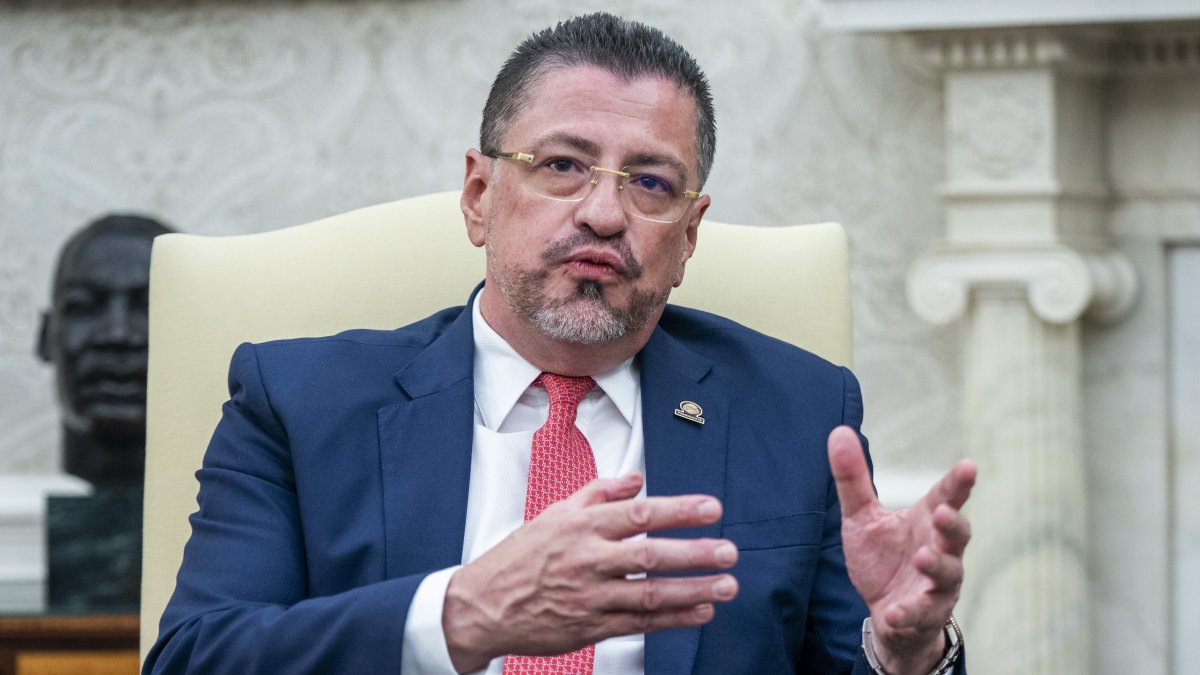
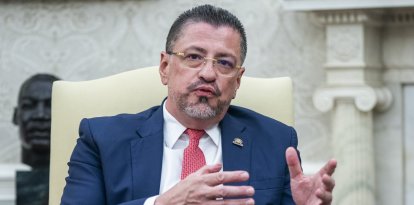
The president of Costa Rica, Rodrigo Chaves Robles

The Costa Rican government announced on Wednesday the closure of its embassy in Havana and requested Cuba to withdraw its diplomatic staff in San Jose, in a decision that reflects the deterioration of bilateral relations.
Costa Rican Foreign Minister Arnoldo André Tinoco said the measure responds to the "deep concern" over the deterioration of the human rights situation on the island and the increase in repression against opponents.
"We have taken the decision to proceed with the closure of the Costa Rican embassy in the Republic of Cuba. Likewise, we have requested the Cuban Foreign Ministry to withdraw its diplomatic personnel," the minister said according to AFP.

World
Rubio: Cuba's announcements on opening to investment 'are not drastic enough'
Virginia Martínez
Costa Rica follows in Ecuador's footsteps
The decision comes in a context of greater alignment of San Jose with the foreign policy of the United States, whose president, Donald Trump, has toughened the pressure on the Havana regime through sanctions.
Costa Rican president, Rodrigo Chaves, also questioned the legitimacy of the Cuban government, alluding to the internal situation of the Caribbean country facing the worst crisis in its recent history.
Costa Rica thus follows in the footsteps of Ecuador, which in early March expelled the Cuban ambassador and caused the closure of the Cuban embassy in Quito, amid accusations of political interference.

Oil shipments in the midst of the crisis?
The ship, owned by the Russian state shipping company Sovcomflot, loaded the oil at the port of Primorsk last March 8 and was sailing the Atlantic bound for the Matanzas terminal, where it is expected to arrive around March 23.
Another tanker, the Hong Kong-flagged Sea Horse, is also heading for the Caribbean with a cargo of diesel, after having carried out transfer operations in the Mediterranean.
Both vessels have followed irregular routes, according to maritime trackers, in a context marked by sanctions imposed on Russia by the United States, the European Union and the United Kingdom.
The arrival of these shipments coincides with the serious situation in Cuba, characterized by prolonged blackouts and fuel shortages, aggravated after supplies from other countries were cut off earlier this year.
LATEST