The mirage of the headless horseman: Iran's domestic collapse and the checkmate to Chinese diplomacy
For weeks, the White House engaged in a muted dialogue with Tehran, as the Iranian leadership sought to buy time, perhaps even until the U.S. midterm election, hoping to negotiate with Trump when he was hypothetically weakened by the results.
Published
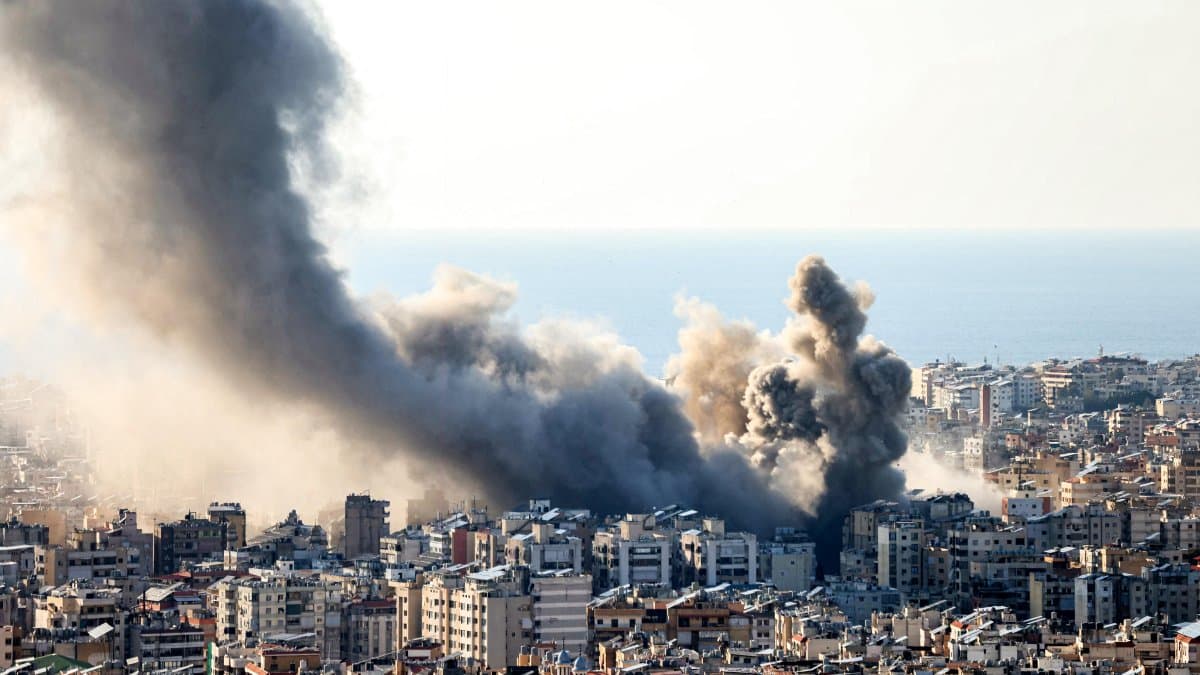
The case that sparked this new chapter of war in the Middle East was ignited more than two years ago, with the brutal pogrom led by Hamas on Oct. 7, 2023, on Israeli soil. Today, the scene is a massive air offensive, orchestrated by Israel and the United States, aimed at rooting out the main architect of global Islamic terrorism: the Islamic Republic of Iran.
The attack did not simply seek to neutralize its nuclear program; the stated objective of this monumental operation is, by all accounts, regime change. The question hovering in the air is whether we are looking at a protracted conflict or an echo of what was last June's Twelve Day War.
The road to this point of no return was marked by the failure of negotiations between a very contemplative Donald Trump and an obdurate Iranian diplomatic apparatus, bound hand and foot by the way by a leader whose notion of reality and his own capabilities was severely overestimated. For weeks, the White House engaged in a muted dialogue with Tehran, while the Iranian leadership sought to buy time, perhaps even until the U.S. midterm election, hoping to negotiate with Trump when he was hypothetically weakened by the results. The Iranian government's miscalculations have been the constant since the fatal Oct. 7 massacre, and they seem to persist in error.
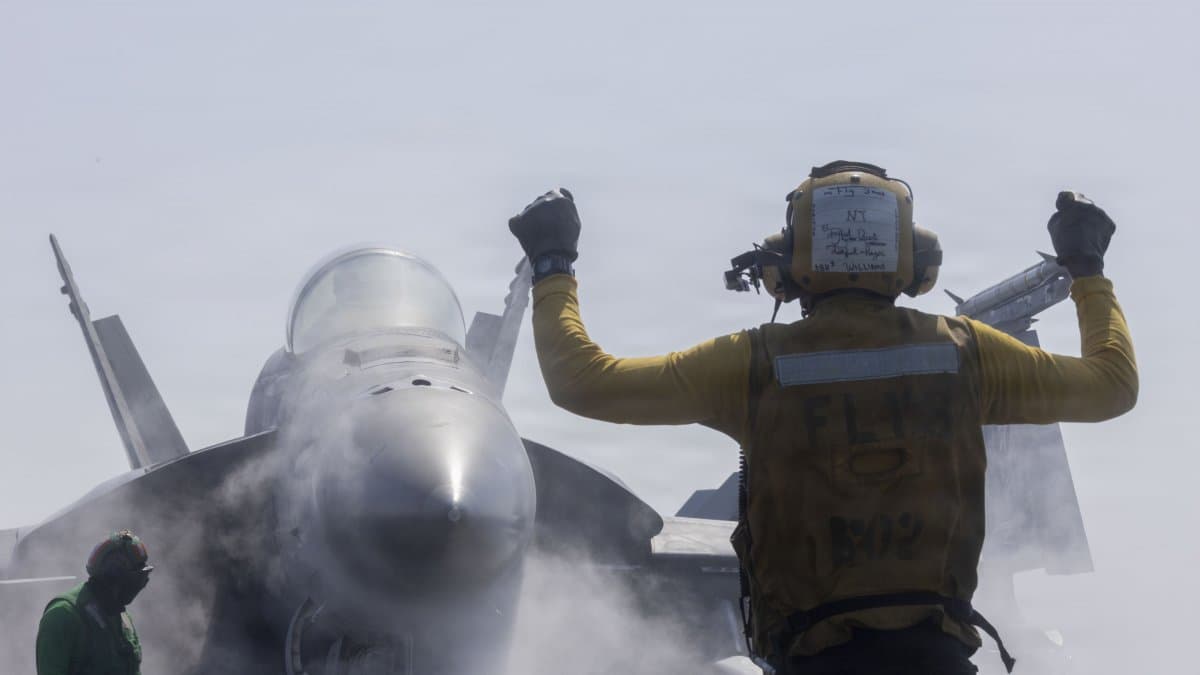
By the time talks began in Washington last Friday, in a desperate effort to stop the bombings, the peaceful path was already a mirage. Donald Trump's pledge to support Iranian protesters in the face of the regime's lethal repression had been backed up for months by the deployment an imposing naval air fleet in the region. The ground was prepared for a military campaign.
The hubris of a naked plan and the end of a dystopian era
With strategic patience, the U.S. and Israel waited weeks for the exact moment to decapitate the clerical leadership, and the wait paid off with surgical precision. A simultaneous attack pulverized in seconds dozens of hierarchs of the Iranian regime. Among them was Ayatollah Ali Khamenei, supreme leader since 1989 and architect of a network of profound terror that has yet to be fully scaled.
The irony of his downfall lies in the hubris of his own preparations. Aware that the sword of Damocles hung over his head, Khamenei reportedly designed what The Telegraph described as an "autopilot" system. In a display of arrogance and naiveté, the supreme leader demanded that each commander and key figure have at least four successors to ensure the survival of the regime. However, that intricate multi-layered plan proved to be as ridiculous as it was useless: Khamenei made the blunder of gathering his entire leadership in the capital. He never suspected that his security apparatus was eaten to the core by Israeli intelligence, nor did he measure the lethality of the American air power stationed in his backyard. Today, as the smoke clears in Tehran, the regime's vaunted invulnerability has been laid completely bare.
A giant with feet of clay, encircled by popular hatred
This collapse at the top aggravates the deep internal decomposition of the Islamic Republic, which is enduring its greatest political, economic and military weakness since the 1979 Revolution. After decades of endemic corruption and disastrous management of its energy wealth, the country hit rock bottom in late 2025. The mass protests in December erupted in a climate of suffocation: power outages, rampant malnutrition and uncontainable inflation.
The regime's response to these desperate demonstrations was a brutal crackdown. This bloodbath cemented an irreversible hatred among the vast majority of the population for their rulers. Now, with the leadership decimated and forced to operate from absolute secrecy, the viability of the government is a question mark. Is it possible to sustain a regime when your own citizens despise you, you are embroiled in a regional war and the secrecy of your movements is so compromised that your leaders live in wait to be killed?
Still, it would be a mistake to underestimate the apparatus conceived exclusively to preserve this Islamist crusade. This cog will not disintegrate quietly. Its acolytes, with no other vital purpose or refuge to flee to, are programmed to die killing.
Automated chaos and the tentacles of terror
Khamenei's death brings to light the destructive legacy of the Axis of Resistance, that network of militias spread across Syria, Lebanon, Iraq, Yemen and Gaza. Through enforcement arms such as Hamas, Hezbollah and the Houthis, Tehran has dismembered nations, paralyzed sea lanes and ignited civil wars.
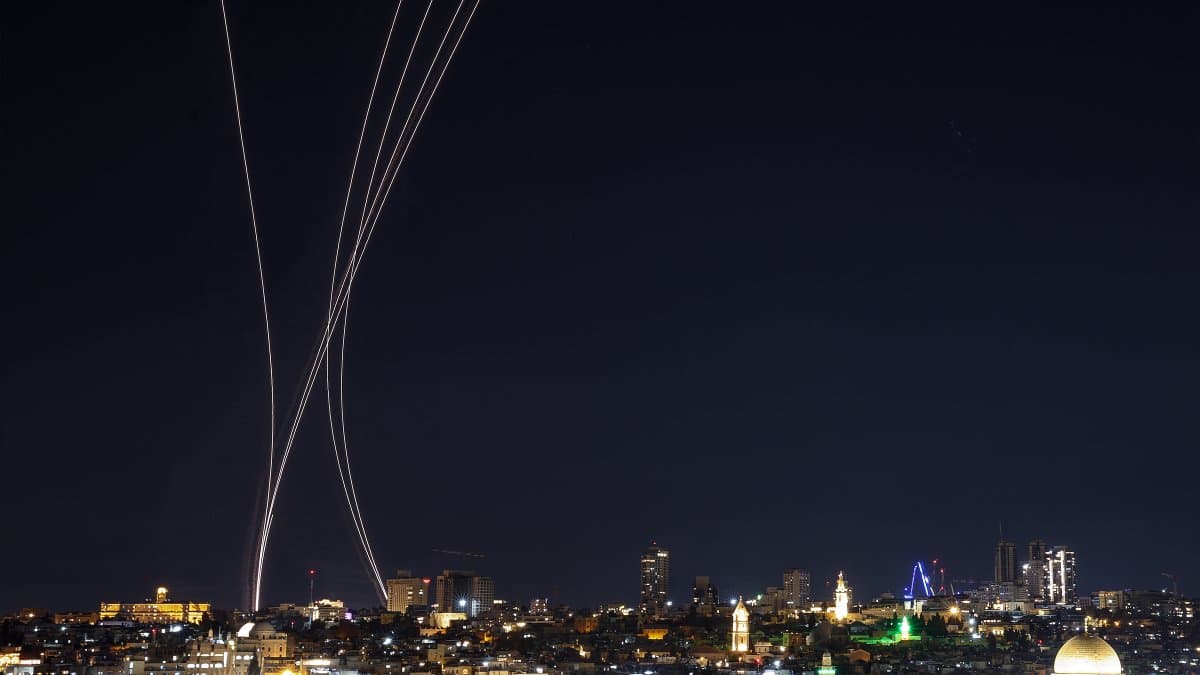
This ecosystem of terror explains the current rain of Iranian projectiles lashing out not only at Israel, but much of the Middle East. It is very difficult to understand the logic of the bombings of almost every country in the region. They can be seen as prefabricated retaliation for the assassination of Khamenei, but they seem more like the reflex actions of a headless animal.
Many analysts and news reports have stated that, long before last weekend, missile and drone battery commanders were given prearranged orders: at the first sign of war, they were to fire on a list of regional targets without waiting for further instructions. Now, with the chain of command decapitated, orders to the contrary will never come. Every rocket that streaks across the sky is not a sign of power, but a reflection of the absolute chaos of a regime that will continue firing blindly until Israel and Washington succeed in silencing its launchers.
The Gulf chessboard and checkmate to Beijing
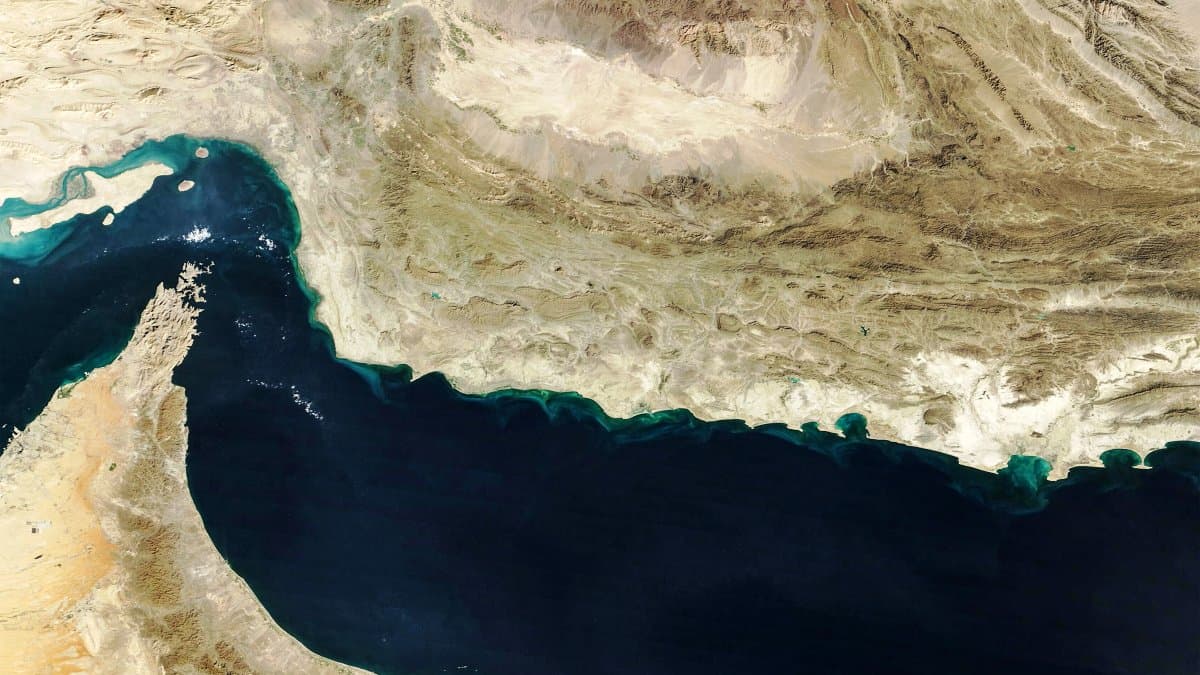
This blind fire has dragged the Gulf states into the conflict, forcing them into an unexpected nightmare. Tehran has directed its attacks not just toward U.S. military bases (as the anti-Trump media apparatus pretended to claim), but also toward the heart of Emirati and Saudi luxury: glass skyscrapers, tourist hotels and state-of-the-art airports. The desperate Iranian strategy may have been to force Trump into a de-escalation requested by these countries that see their reputation for stability and glamour faltering. But it achieved the opposite.
The paradox is that, prior to the offensive, these same neighboring countries had been reluctant to use their territory for American attacks, desperately seeking to avoid war. Today, having become the target of Iranian fury, the outrage is growing, and so is the possibility that they will join the counter-offensive, with Saudi Arabia in the lead reserving the right to strike back.
This dynamic exposes the complex dilemma of Saudi Crown Prince Mohammed bin Salman. While for the past few months, in public he has been clamoring for diplomacy, distancing himself from Israel and closing his air bases, in private he has been encouraging Trump to strike the final blow, ever fearful of an invincible Iran. The prince has made several 180-degree pirouettes, uncomfortable with the role that had fallen to him.
From this arises, perhaps, the most transcendental collateral effect: the lethal blow to the ambitions of China. Beijing had long spent time, money and energy weaving a fragile and unthinkable alliance between two old enemies—Riyadh and Tehran—seeking to inaugurate a post-U.S. regional axis. The Chinese narrative was trying to convince the Arab monarchies that hosting American bases brought more dangers than benefits. However, in an ironic twist, the chaos unleashed by the remnants of the Khamenei regime has set back years of painstaking Chinese diplomacy, cementing what may well be Trump's strongest geopolitical play in this war.
In the end, the famous autopilot plan dreamed up by Khamenei does not seem to be serving to shield his regime of terror, but barely to fire blindly during his own funeral and, in the process, foiled Beijing's plans.
🛠 Do you think there is an error in this article?
Recommendations
LATEST