Gustavo Petro says 'living in Cuba is better than in Miami,' sparking controversy
The Colombian president described Miami - and Dubai - as cities "destined to disappear," describing them as "sequins" or "phantasmagorias of capitalism.". According to Petro, the U.S. city "imitates Havana," but lacks history.
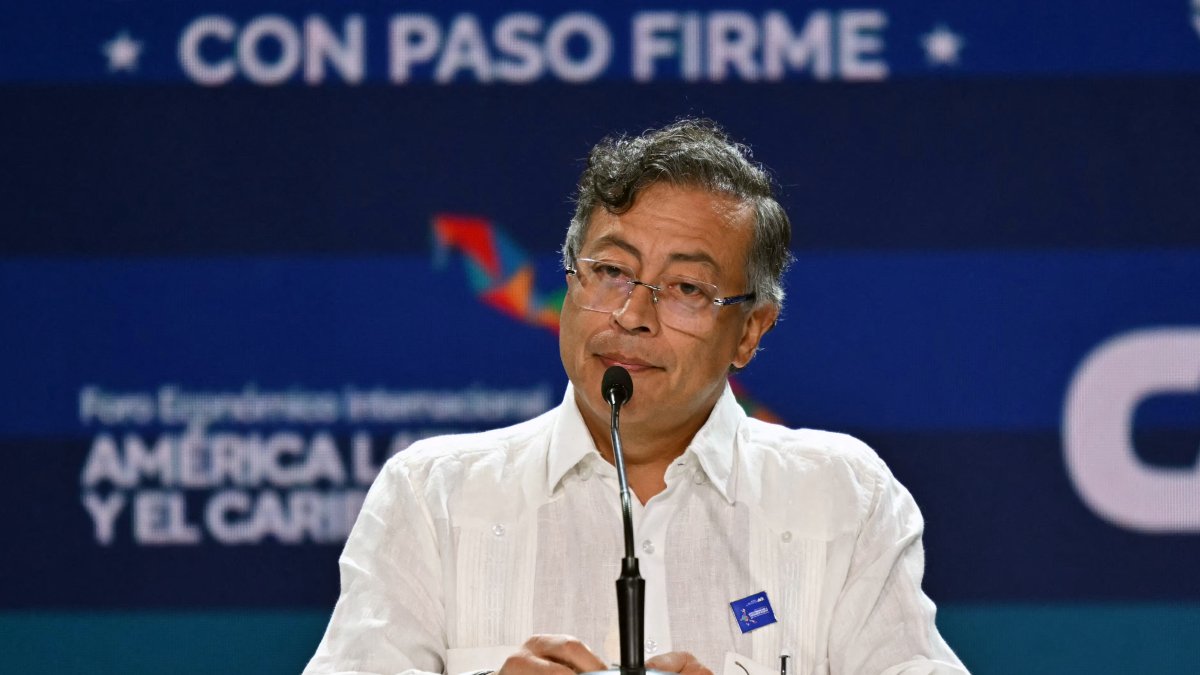
Colombia's President Gustavo Petro (Archive).

The president of Colombia, Gustavo Petro, once again generated controversy after assuring that "living in Cuba is much better than living in Miami" and affirming that "Miami will never be nicer than Havana," during a long speech delivered on Tuesday in Bogota.
The statements were made in the framework of the announcement of the revitalization of the historic San Juan de Dios hospital, which will be transformed into a Great Center of Innovation and Thought for Aging and Old Age. The event lasted about three hours and was attended by various media.
Recalling a visit made to Cuba during the pandemic, Petro maintained:
"There I discovered that Miami will never be more beautiful than Havana," and added that "it is much, much better to live in Cuba in the midst of culture than in Miami, in the middle of a traffic jam, with no culture of its own."
The Colombian president described Miami - and also Dubai - as cities "destined to disappear," describing them as "sequins" and "phantasmagorias of capitalism." According to Petro, the U.S. city "imitates Havana," but lacks history:
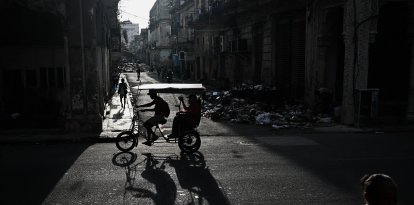
"The gringos imitate Havana, but Havana has the history and Miami does not. That's the difference," he said, while describing the Cuban capital as "one of the most beautiful cities in the world."
">🇨🇴 | Gustavo Petro: “Es muchísimo mejor vivir en Cuba que en Miami”.
— Agustín Antonetti (@agusantonetti) January 29, 2026
Según algunos reportes, el presidente colombiano se encontraba en un aparente estado de ebriedad.
En estos momentos algunas zonas de Cuba solo tienen 60 minutos de electricidad al día.pic.twitter.com/lKINnd8UJa
Other mind-blowing comparisons by the Colombian
During his speech, Petro also compared the situation of Colombian immigrants in the United States with that of those residing in Cuba and called on his compatriots to return from countries such as the United States, Chile and Argentina. He assured that abroad "they are treated like slaves and dogs chased through the streets" and that many immigrants "are not treated with dignity" and do not have access to housing or a car.
The statements provoked strong reactions and criticisms, since they contrast with the deep economic, political and social crisis that Cuba is going through, marked by blackouts lasting more than 42 hours, food shortages, repression and an unprecedented migratory exodus. At the same time, Miami continues to be one of the main destinations for Latin American immigrants and exiles, including thousands of Cubans, Venezuelans and Colombians.
World
Trump declares Cuba a threat to the U.S. and imposes tariffs on countries that send oil to regime
Luis Francisco Orozco
The controversy adds to a series of statements made by the Colombian president that have generated debate both nationally and internationally about his vision of the economic and social models in the region.
LATEST