






European Union gives green light to agreement with Mercosur after more than 25 years of negotiations
The endorsement took place during a meeting of ambassadors of the 27 Member States in Brussels, where a qualified majority was reached, despite the opposition of countries such as France, Poland, Ireland and Hungary. It must still receive the approval of the European Parliament to enter into force.

The countries of the European Union approved the historic trade agreement with Mercosur Friday, a decisive step towards the creation of the largest free trade area in the world, after more than a quarter century of negotiations, European diplomatic sources reported.
The endorsement came during a meeting of ambassadors from the 27 member states in Brussels, where a qualified majority was reached, despite opposition from countries such as France, Poland, Ireland and Hungary. The agreement must still receive the approval of the European Parliament to enter into force.
If finalized, the pact between the E.U. and Argentina, Brazil, Uruguay and Paraguay would cover a market of more than 700 million consumers and would eliminate tariffs on more than 90% of bilateral trade, according to European Commission data.
Support from Germany and Italy, and change in Rome's position
German Chancellor Friedrich Merz, one of the main drivers of the agreement, welcomed the decision as "a milestone in European trade policy and a strong signal of our strategic sovereignty."
The EU-Mercosur agreement is a milestone in European trade policy and a strong signal of our strategic sovereignty and ability to act. This is good for Germany and for Europe.
But 25 years of negotiations were far too long — we need to move faster.
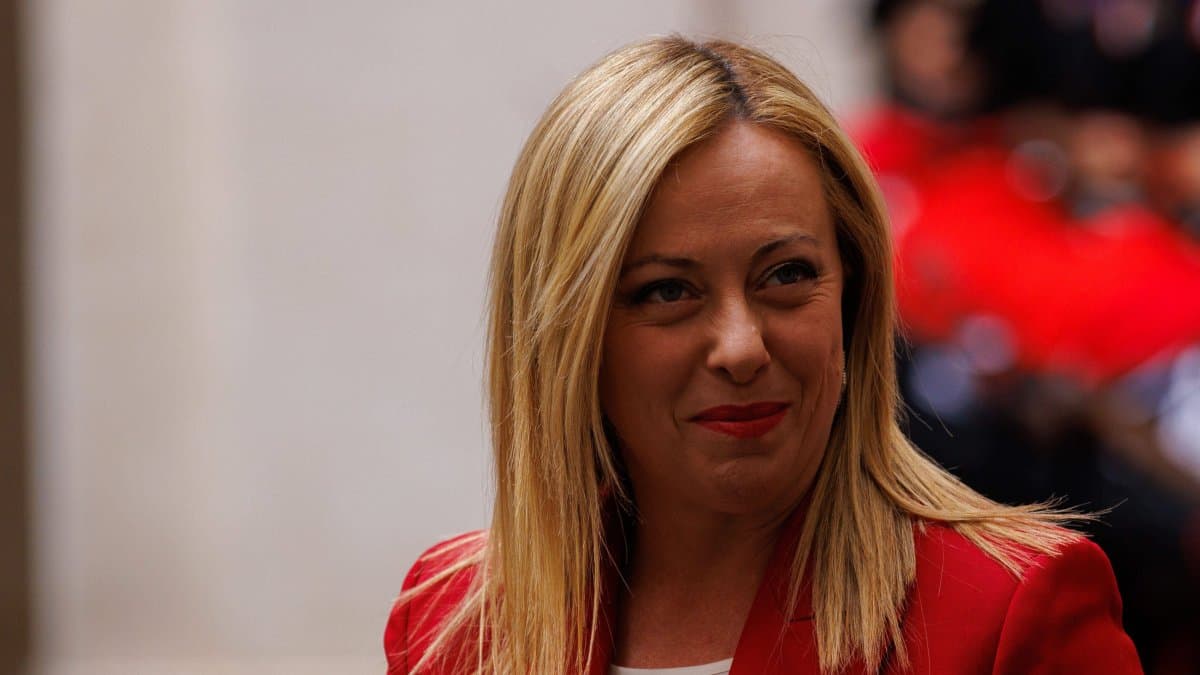
Italy, which in December had aligned with France to block progress on the deal, changed its position this week. Prime Minister Giorgia Meloni stressed that the new clauses introduced offer a "balance" that protects the agricultural sector.
"We have always said that we are in favor of the agreement with Mercosur when there are sufficient guarantees for our farmers," said Meloni, per AFP.
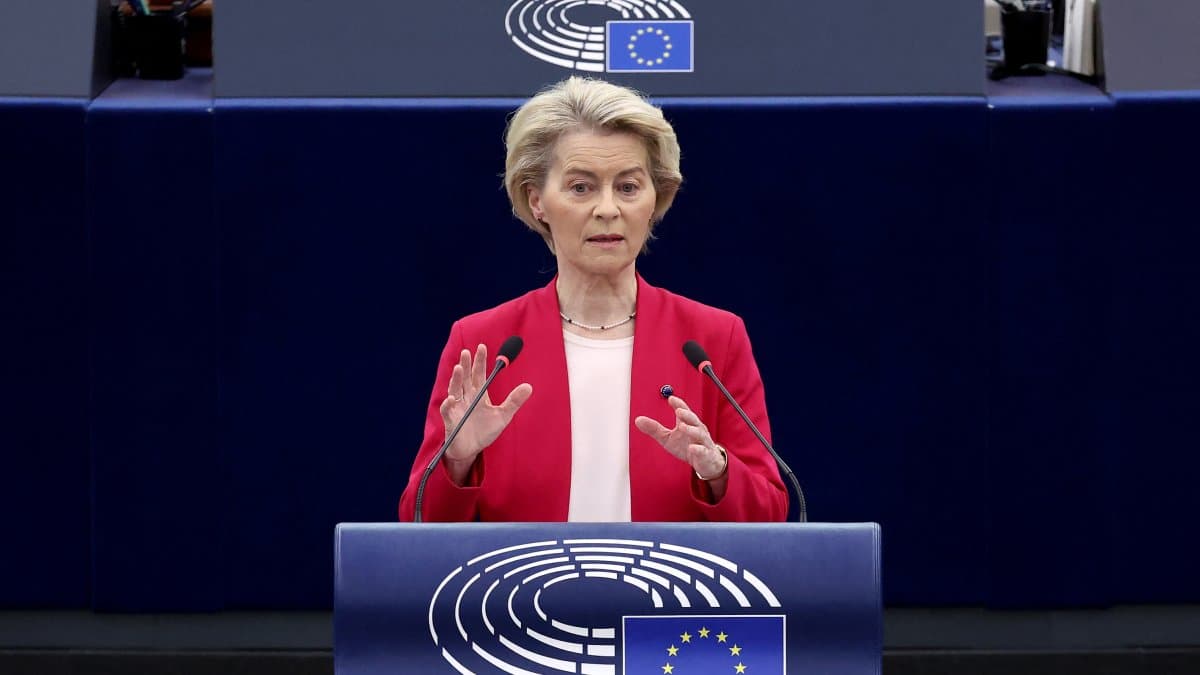
With this backing, European Commission President Ursula von der Leyen will travel to Paraguay on Monday to formally sign the agreement with the Mercosur countries, although its implementation will not be immediate.
A still uncertain path in the European Parliament
Despite the progress, the future of the agreement in the European Parliament remains uncertain. Nearly 150 MEPs out of a total of 720 have warned that they could go to court to stop its implementation.
The European Parliament will have to decide in the coming weeks, in the midst of an intense political and social debate.
Fears in the European agricultural sector
One of the main focuses of resistance to the agreement comes from the European agricultural sector, which fears greater competition from South American products such as meat, rice, honey, soybeans and ethanol, as opposed to European exports of vehicles, machinery, wines and cheeses to Mercosur.
Opponents, led by France, argue that South American products are more competitive due to less stringent production standards, which could destabilize the European market.
In contrast, countries such as Spain and Germany consider that the agreement will allow the E.U. to diversify its trade relations, amidst competition from China and U.S. tariff policies.
Concessions to appease farmers
The measures include:
Limits on tariff-free import quotas for products such as meat, rice, honey, eggs and ethanol.Market intervention in case of destabilization.Opening of an automatic investigation if the price of a Mercosur product is at least 8% lower than the European price and the imported volume grows by more than 8%.Commitments to legislate on pesticide residues in imported products.
This week, the Commission also announced the total ban on three chemicals—thiophanate-methyl, carbendazim and benomyl—especially on fruits such as citrus, mangoes and papayas.
France ordered a temporary block on agricultural products treated with fungicides and herbicides banned in the E.U., including avocados, mangoes, guavas, citrus fruits and potatoes.
Agricultural protests persist
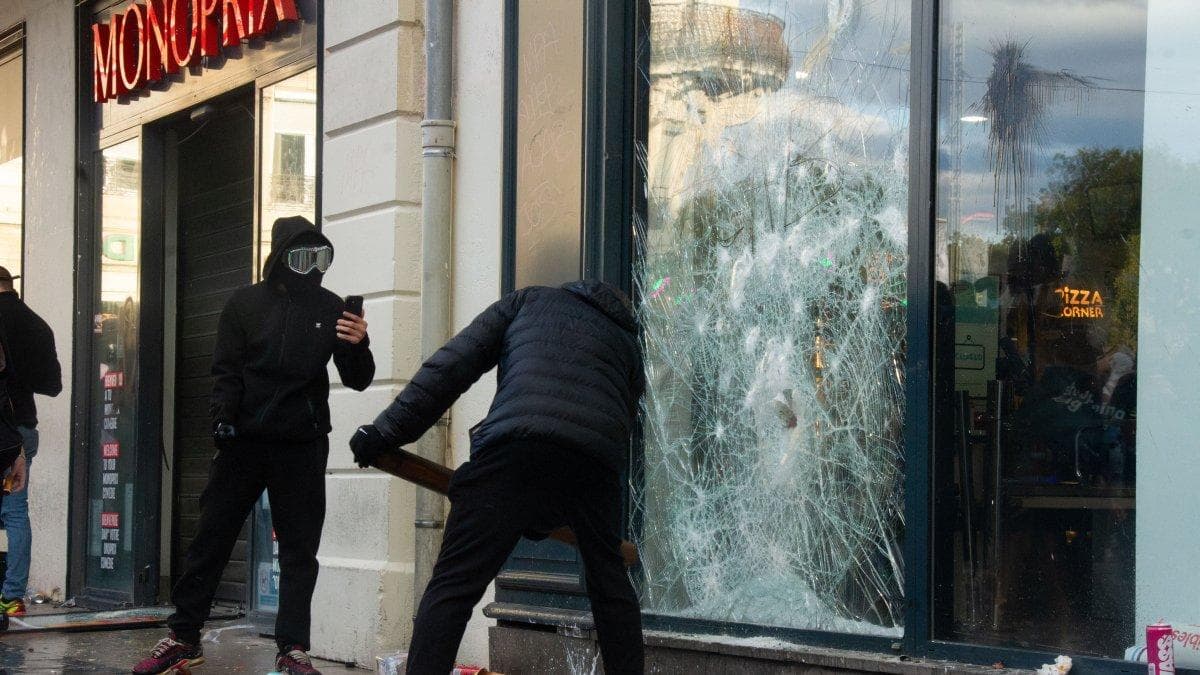
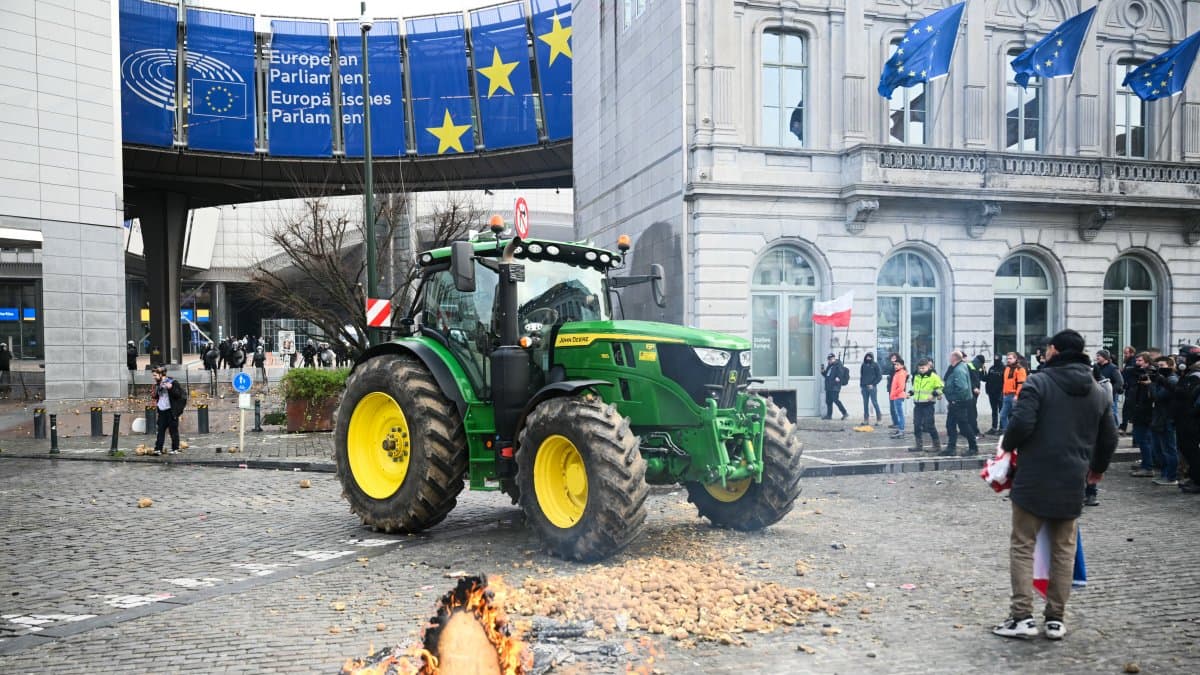
Despite concessions, protests continue. In Paris, tractors remain stationed at the entrances to the city, while in Poland, around 1,000 farmers marched through the center of Warsaw after the agreement was approved.
🛠 Do you think there is an error in this article?
Recommendations

LATEST