






Thailand and Cambodia agree to an immediate ceasefire in their border dispute
After 47 deaths and a severe humanitarian crisis, families displaced by conflict between the Asian neighbors could return home for the New Year.
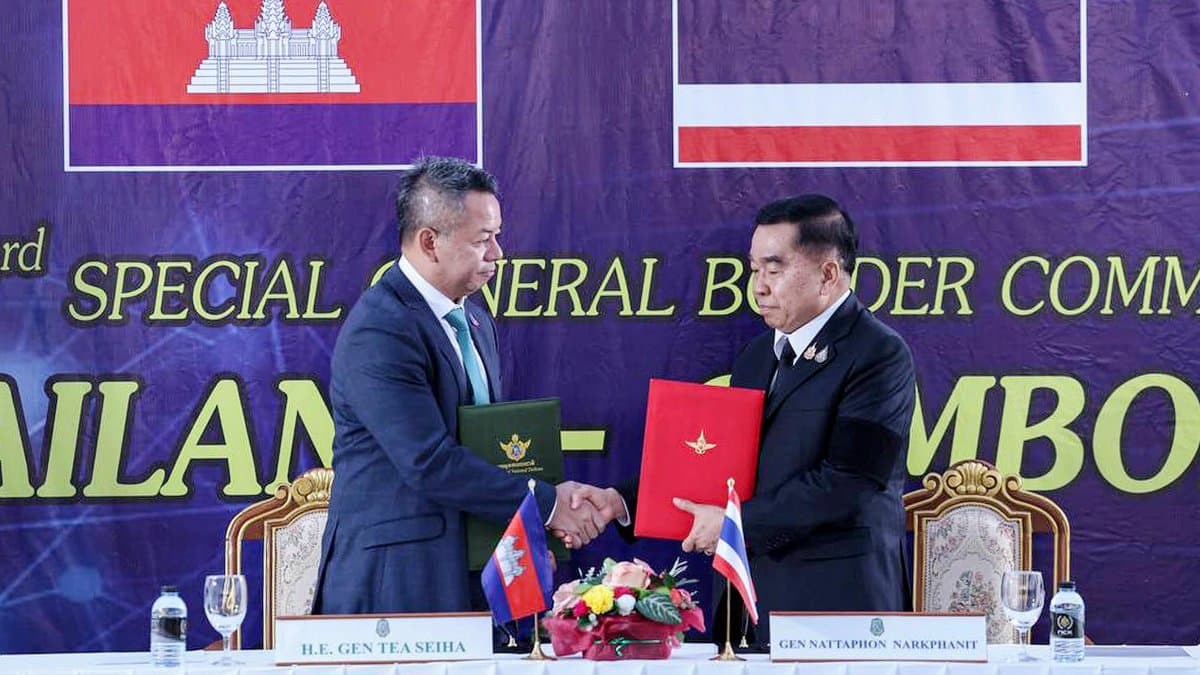

Thailand and Cambodia reached an "immediate" ceasefire agreement Saturday in their festering border dispute. This conflict, which has intensified in the last three weeks, has left a tragic toll of more than 40 dead and a million displaced in Southeast Asia.
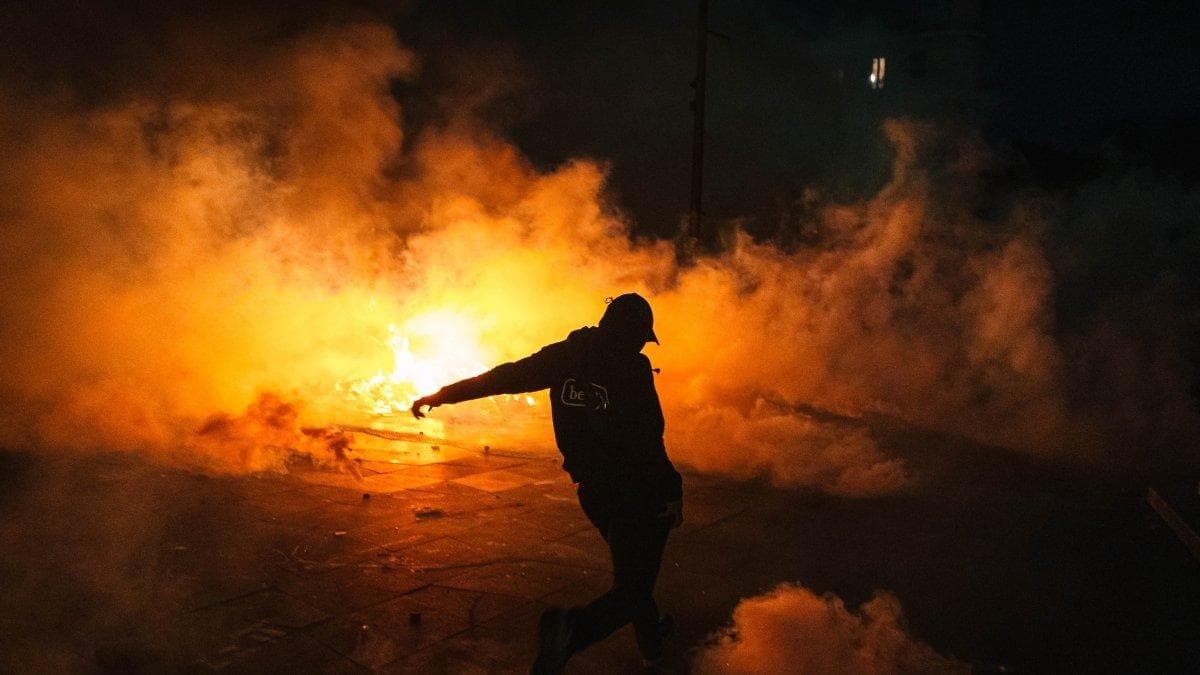
The escalating war between the two neighbors was reignited this month with the use of artillery, tanks, drones and fighter jets, breaking a previous truce that was spurred by mediation from Donald Trump.
For now, the official balance sheet closes with 47 fatalities: 26 Thais and 21 Cambodians.
Origin of the dispute: Colonial borders and ancient temples
The root of the confrontation lies in an ancient dispute over the demarcation of its 500-mile-long border, originally established during the French colonial period. The dispute centers particularly on the sovereignty of a number of ancient temples located along the dividing line.
According to a joint statement obtained by AFP, the two governments have agreed on the following key points to secure peace:
- Return of civilians: allow residents of the affected areas to return to their homes in safety and dignity.
- Congestion of positions: military forces will maintain their current locations without advancing.
- Demining and security: landmine clearance in bordering areas and cooperation against cybercrime.
- Prisoner release: Bangkok will release 18 detained soldiers after 72 hours of effective truce.
Observation period and humanitarian crisis
Thai Defense Minister Nattaphon Narkphanit said the first three days will be an "observation period to confirm that the ceasefire is real," calling the move a gateway to a peaceful resolution.
This news has been greeted with relief by the hundreds of thousands of evacuees who had been staying in reception centers since Dec. 7. Oeum Raksmey, a young displaced woman in Siem Reap province, expressed her happiness although she remains cautious: "I dare not return home yet. I am still scared," she confessed to AFP.
ASEAN mediation and the role of the U.N.
The conflict has generated strong international pressure. Thailand and Cambodia agreed to direct dialogue following a crisis meeting of the foreign ministers of ASEAN (Association of Southeast Asian Nations), also pushed by China and Malaysia.
At the global level, U.N. Secretary General António Guterres celebrated the agreement through his spokesman, Stephane Dujarric, considering it a vital step to "alleviating the suffering of civilians... and creating an environment conducive to achieving lasting peace."
The challenge of Preah Vihear Temple
"You can trust Thailand. We always uphold our agreements and commitments," Thai Prime Minister Anutin Charnvirakul pledged ahead of the upcoming Feb. 8 legislative election. "Let this be the final signing, so that peace can be restored and our people can return home."
🛠 Do you think there is an error in this article?
Recommendations




LATEST