






China sanctions U.S. companies for arms deal with Taiwan
According to Chinese authorities, the sales transaction violates the one-China principle and contradicts the three joint communiqués signed between Beijing and Washington.
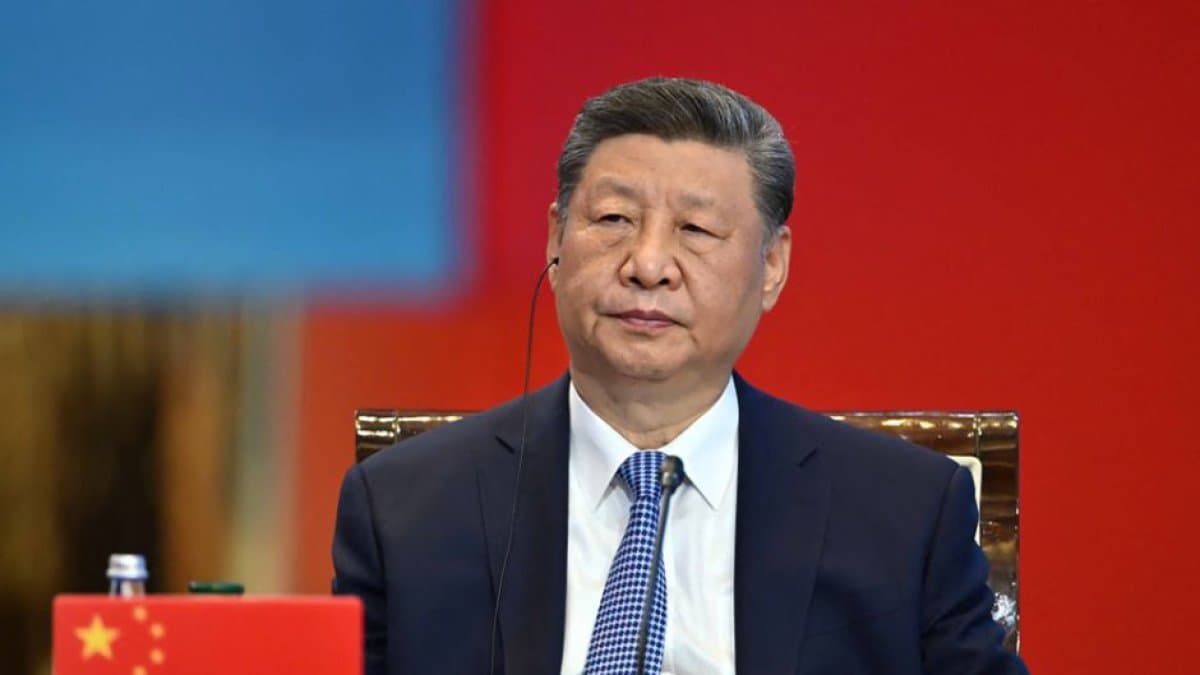

China announced sanctions against 20 U.S. defense companies and 10 senior executives of those firms in direct response to a recent $11.1 billion U.S. arms sale to Taiwan. The move was confirmed Friday by the Chinese Foreign Ministry and follows the approval of the military package last week.
According to Chinese authorities, the sale operation violates the one-China principle and contradicts the three joint communiqués signed between Beijing and Washington. The Chinese regime maintains that such transactions constitute serious interference in its internal affairs and represent a threat to what it considers its sovereignty and territorial integrity.
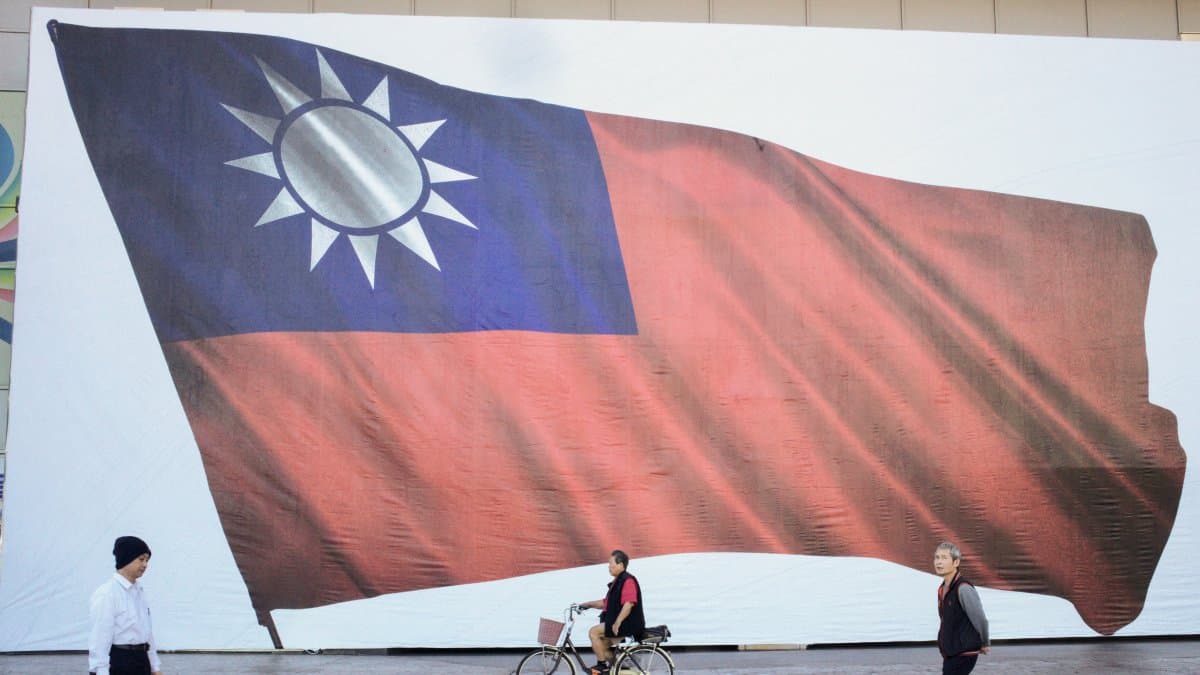
Politics
Washington approves $11.1 billion arms sale to Taiwan, China protests sharply
Diane Hernández
Companies affected by the sanctions
As a countermeasure, the Chinese Foreign Ministry announced sanctions directly affecting companies involved in arms sales. Among the sanctioned companies are L3 Harris Marine Services, Boeing in St. Louis, Northrop Grumman Services, Advanced Acoustics Concepts, Red Cat Holdings and Lazarus AI.
The sanctions also extend to senior executives of these companies. Among the targeted executives is Palmer Luckey, founder of Anduril Industries, who, according to the official announcement, will be barred from entering China or conducting business within the country.
In its statement Friday, the Foreign Ministry reiterated that Taiwan represents the "very essence" of China's core interests and warned that any company or individual involved in arms sales to the island will face consequences.
Limited impact and political undertones
If the U.S. Congress approves the deal, it would become the largest arms package ever signed by the United States with Taiwan, surpassing the $8.4 billion deal finalized during the Biden Administration.
The United States has sold arms to Taiwan for years under the 1979 Taiwan Relations Act, a policy that has been implemented by every U.S. administration since its enactment.
🛠 Do you think there is an error in this article?
Recommendations


LATEST