The U.S. threatens to leave the International Energy Agency if it does not set aside its “leftist fantasies” about the green transition
Secretary Chris Wright accused the IEA of acting as a "climate advocacy organization" and called on it to concentrate its efforts on "energy security."
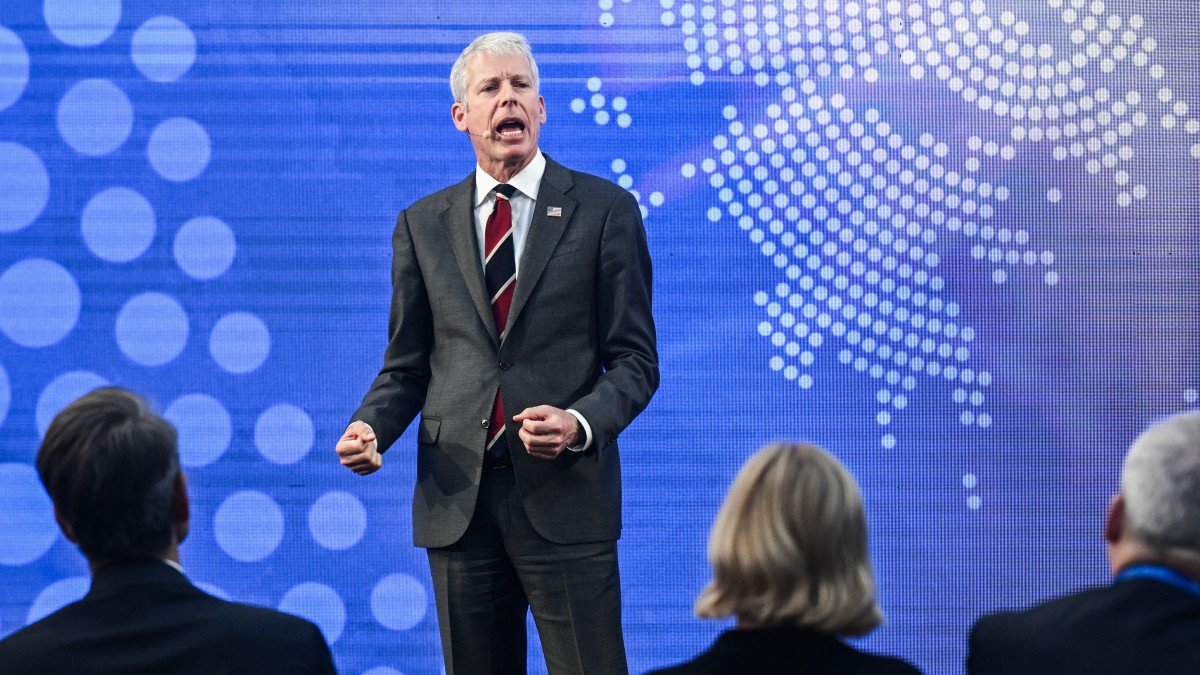
Department of Energy Secretary Chris Wright in a file image

Energy Secretary Chris Wright warned from a conference in Paris that the U.S. could withdraw from the International Energy Agency (IEA) if the agency does not modify its approach to energy transition and stop prioritizing scenarios linked to decarbonization.
As reported by POLITICO, Wright questioned the work of the French capital-based agency and argued that some data agencies run the risk of distorting their mission if they focus on what he described as "leftist fantasies." The official also accused the IEA of acting as a "climate advocacy organization" and called on it to concentrate its efforts on "energy security."
The International Energy Agency was founded in 1974 after the first oil crisis and has become a global reference for its energy market projections, including scenarios for the transition to renewable sources. Wright is scheduled to participate in a ministerial meeting of the agency this week.


The secretary was even more direct in rejecting net-zero emissions targets: "We don't need a net-zero scenario, that's ridiculous, that's never going to happen," he said.
The tensions come in a context marked by President Donald Trump's return to the White House in January 2025, with an agenda favorable to the use of fossil fuels and aimed at reversing harsh environmental regulations. Since then, the administration has pressured the IEA to reduce its emphasis on the energy transition.
In its most recent annual report, released in November, the agency appeared to partially address that criticism by reintroducing a scenario based on current market trends. It also revised its forecast for peak oil demand: previously placing it in the 2030s, it now estimates that consumption could continue to grow until mid-century.
LATEST