Citizen rejection stops Noboa's plan to allow foreign military bases in Ecuador
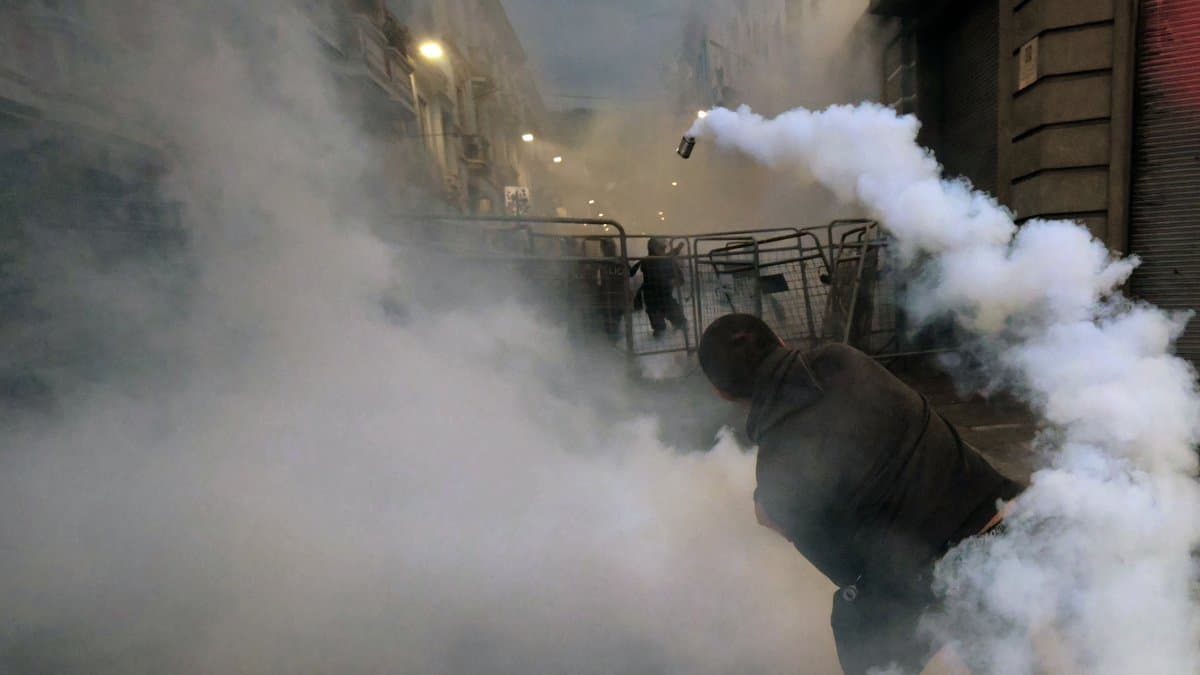
The referendum took place amidst public concern over rising violence and tensions generated by recent U.S. bombings of suspected drug trafficking vessels in the Caribbean and Pacific.
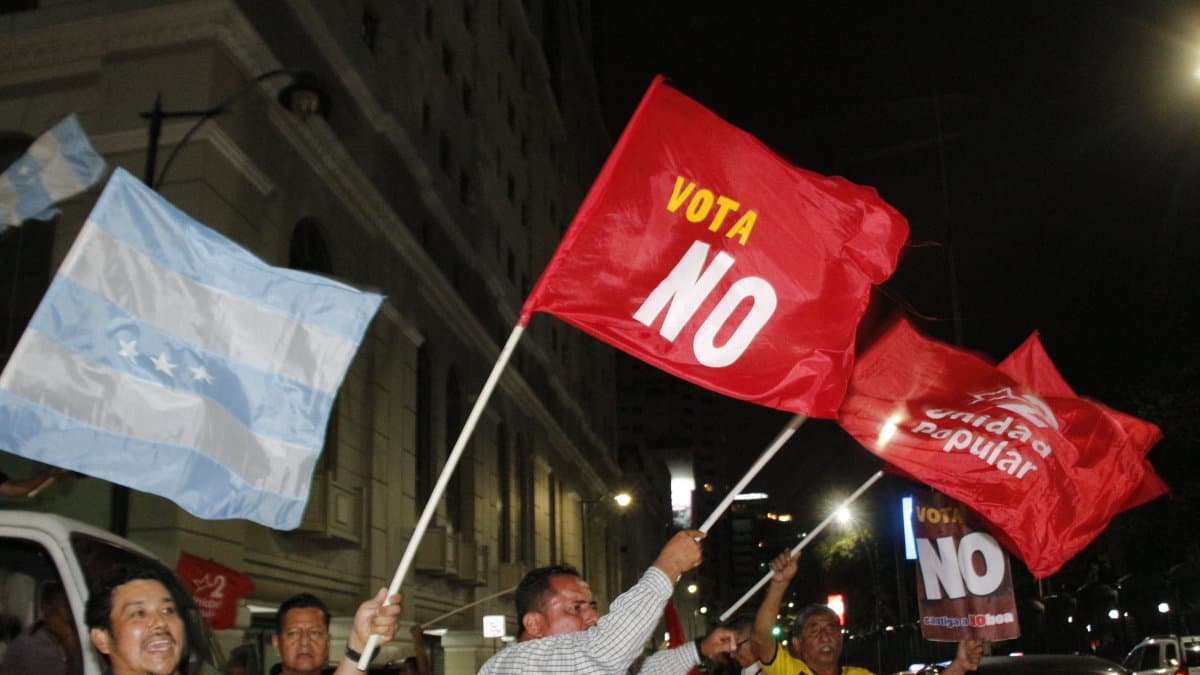

Ecuadorian President Daniel Noboa suffered a significant political setback following Sunday's referendum, in which the population overwhelmingly rejected his proposals to allow the installation of foreign military bases and convene a Constituent Assembly.
With 81% of the count advanced, the figures show a clear trend:
Government reaction and electoral environment
Although Noboa had planned to speak to the press from Olon, he suspended his public appearance. In a brief message broadcast on X, he stated, "We respect the will of the Ecuadorian people. Our commitment does not change."
Estos son los resultados. Consultamos a los ecuatorianos y ellos han hablado. Cumplimos con lo prometido: preguntarles directamente. Nosotros respetamos la voluntad del pueblo ecuatoriano.
Nuestro compromiso no cambia; se fortalece. Seguiremos luchando sin descanso por el país…
The referendum took place amidst public concern over the increase in violence and tensions generated by the recent U.S. bombings of alleged drug trafficking vessels in the Caribbean and the Pacific.
In Quito, groups of citizens celebrated the results by blowing whistles and chanting slogans such as "out Noboa, out."
Security and the iron fist at the center of the debate
Ecuador is experiencing an unprecedented violence crisis, reaching a rate of 39 homicides per 100,000 inhabitants in 2024, the highest in the region. Since coming to power in 2023, Noboa has deployed the military in streets and prisons, decreed repeated states of exception and reinforced his tough-on-criminal-gangs discourse.
The president, a close ally of Washington and an advocate of broad cooperation with the United States, sought to expand his powers to combat organized crime. During election day, he even announced the capture in Spain of "Pipo" Chavarria, the leader of Los Lobos, who had faked his death to hide in Europe.
Despite their affinity with the White House, the Ecuadorians blocked the possibility of the return of U.S. forces to the Manta base, used for anti-drug operations until 2009.
Controversies and tensions with the justice system
The call for the referendum came after the Constitutional Court halted several presidential proposals for violating fundamental rights, including chemical castration for rapists and warrantless surveillance mechanisms.
Noboa has been questioned by human rights organizations, which denounce abuses by security forces, arbitrary detentions and disappearances. His communication style - whether driving luxury cars, riding in military vehicles or sharing dances on social networks - has sought to reinforce the image of a young and determined president.
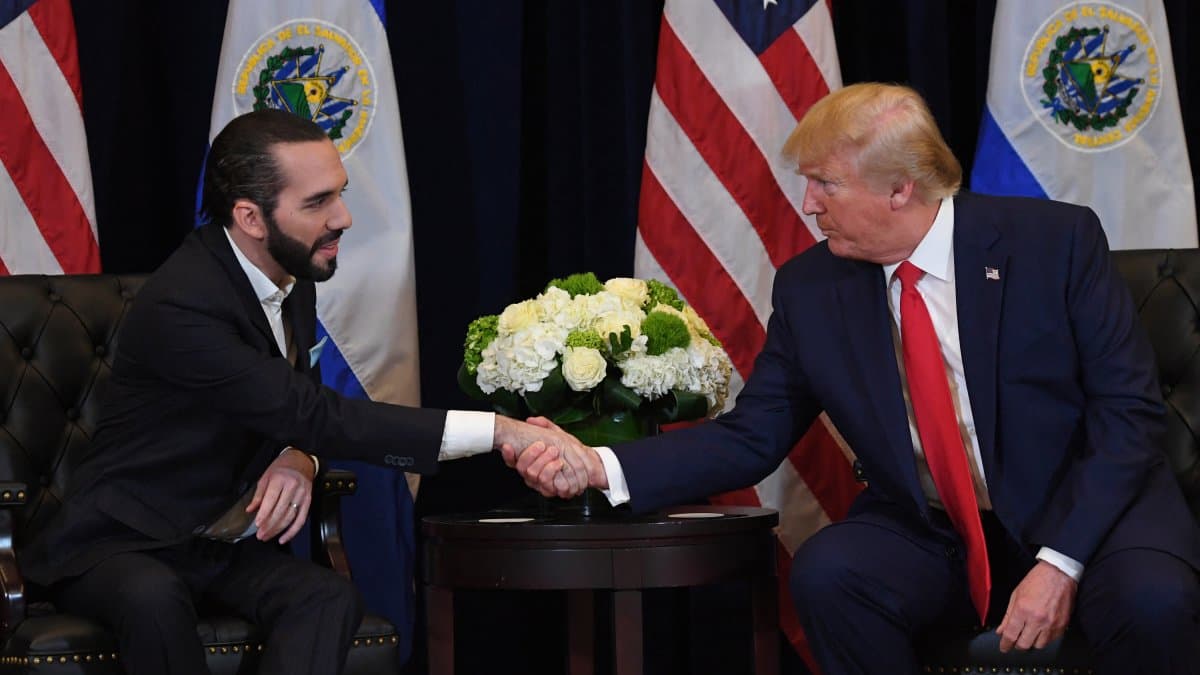
The recent exhibition of shaved and orange-uniformed prisoners, transferred to a new maximum security prison, generated comparisons with the practices of Salvadoran President Nayib Bukele.
A key defeat for his political project
This result represents the biggest electoral defeat of his mandate, after he won popular support in 2024 to allow the extradition of Ecuadorians and toughen penalties against organized crime.
🛠 Do you think there is an error in this article?
Recommendations
LATEST