Marco Rubio or JD Vance? The question every Republican is asking, including Trump
According to a Wall Street Journal report, the president has not stopped asking Republican advisers and donors about who they prefer as his successor heading into 2028. The secretary of state has been widely praised during those meetings.
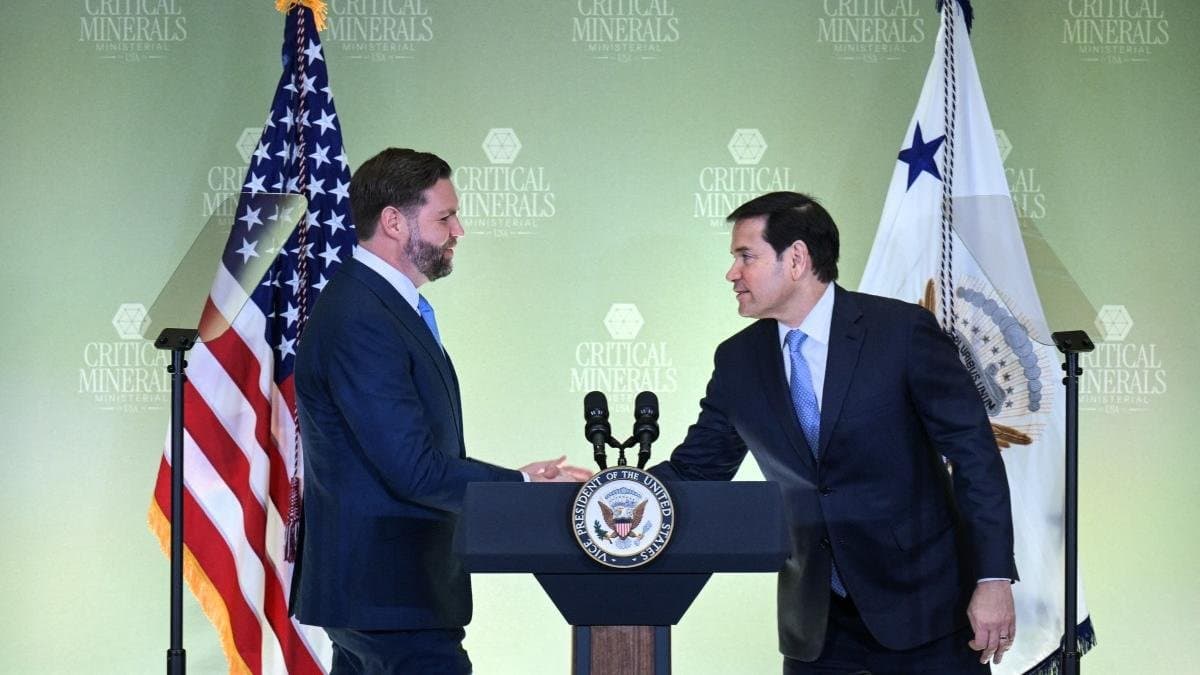

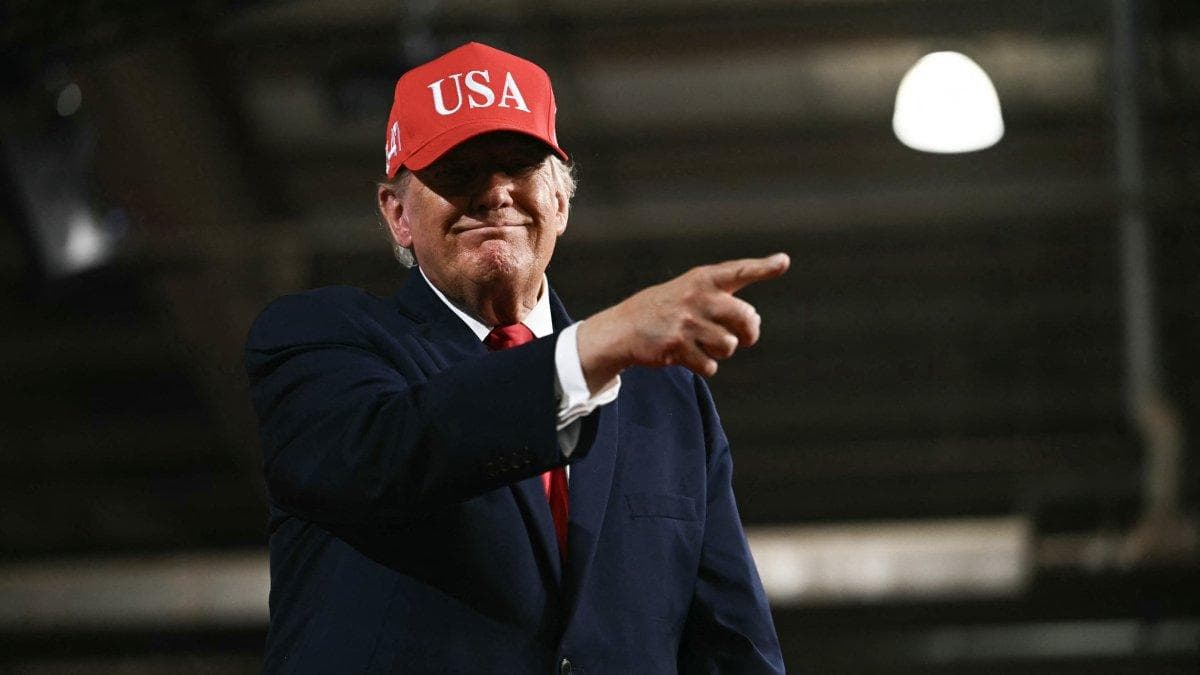
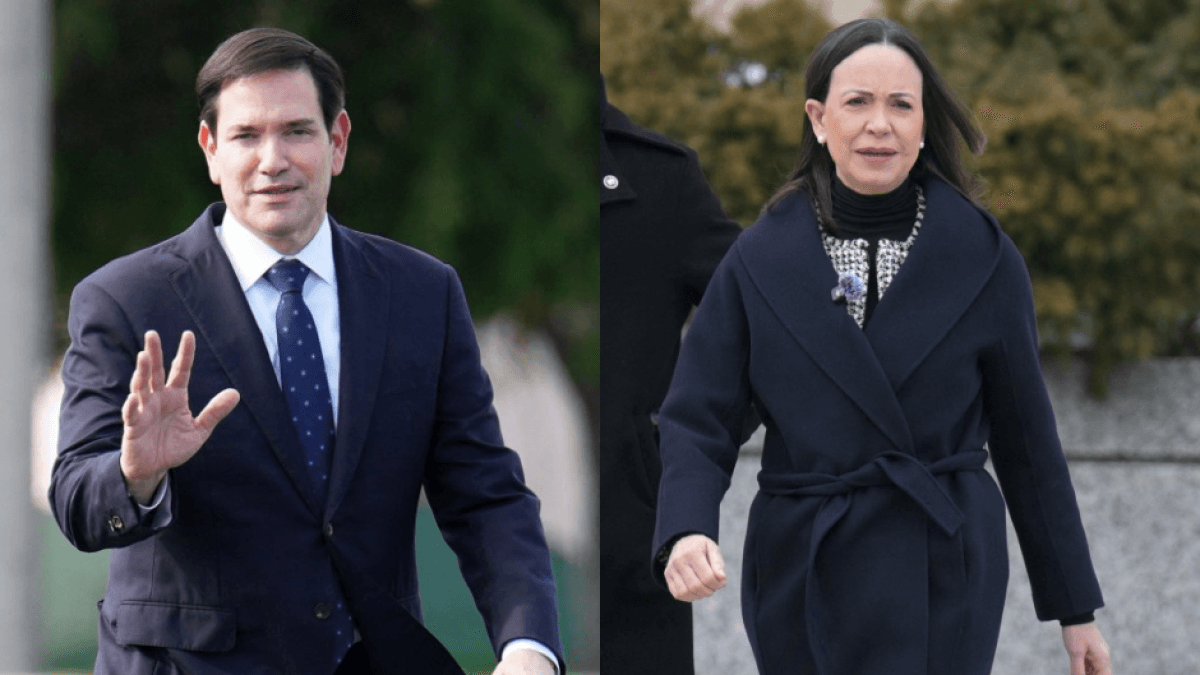
As President Donald Trump increasingly praises Secretary of State Marco Rubio in public, one question is increasingly prevalent among Republicans: Who will be chosen to succeed him when his second term ends? Will it be his Vice President, JD Vance, or the main figurehead of his foreign policy strategy toward countries like Venezuela, Iran, and Cuba?
Indeed, in recent weeks, even after the attacks on the Iranian regime that have divided public opinion, Rubio has risen markedly in terms of his chances of being the next Republican nominee, according to the prediction markets platform Polymarket.
According to a report in The Wall Street Journal, President Trump keeps privately asking his advisers and top Republican donors whom they prefer between Vance and Rubio.
One such episode occurred during a meeting with donors at his Mar-a-Lago club shortly after the U.S. launched strikes against Iran in late February. As attendees dined, Trump asked directly what they thought of Vance and Rubio. According to people in the room, the applause was loudest when the secretary of state was mentioned.
According to sources familiar with the conversations, Rubio has received a lot of acceptance in those conversations, something that seems to have surprised Trump and also motivated him to keep pushing for a friendly feud between the vice president and the secretary of state.
Politics
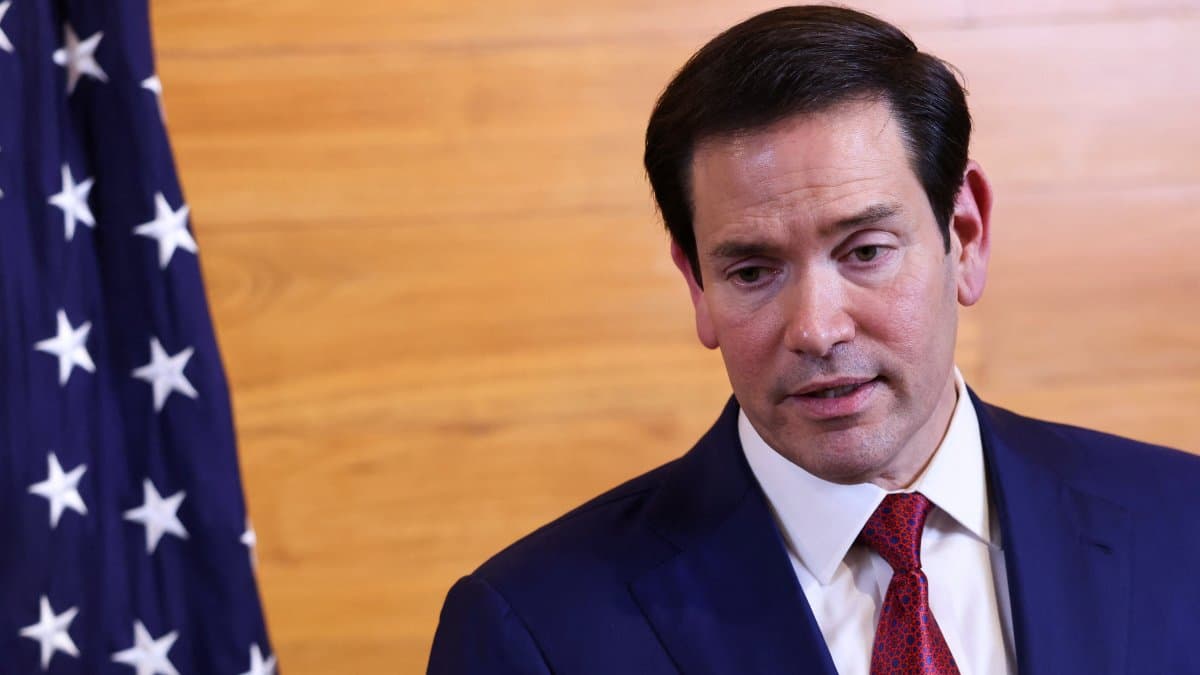
Marco Rubio defends the offensive against the Iranian regime by assuring that "There was an imminent threat"
Luis Francisco Orozco
Even publicly, Trump has referred to Rubio as a "lethal" but elegant politician compared to Vance's "tough" style. Privately, the president has also said that, for him, the secretary of state is an "electable" candidate, even in a difficult context for the Republican Party.
While Trump has not said Vance is unelectable, his words appear to position Rubio as a more well-rounded candidate to capture the independent vote.
The comparison between the two also reflects two currents within the conservative movement and the Republican Party. Vance has been identified with a populist line that is more skeptical of military interventions abroad, while Rubio has for years been considered one of the strongest advocates of a more aggressive foreign policy toward U.S. adversaries, a school of thought that is increasingly gaining weight in Trump's second term.
Indeed, the weight of foreign policy during this administration has elevated Rubio's visibility across the country, including in Washington, D.C. The secretary of state has been present in some of the most relevant episodes of the White House, including decisions related to the conflict with Iran and the capture of former dictator Nicolás Maduro. President Trump has also begun to seek Rubio's advice on other, more domestic policy issues, such as the status of some legislation that must be passed through Congress.
After the attacks on Caracas and Tehran, Rubio accompanied the president at Mar-a-Lago, while Vance participated remotely due to security protocols, according to White House officials.
The differences in style between the two leaders were also reflected in recent speeches to international allies. At last year's Munich Security Conference, Vance delivered a confrontational speech that surprised several European leaders, while Rubio adopted a more moderate tone in his address this year, which was greeted with a standing ovation.
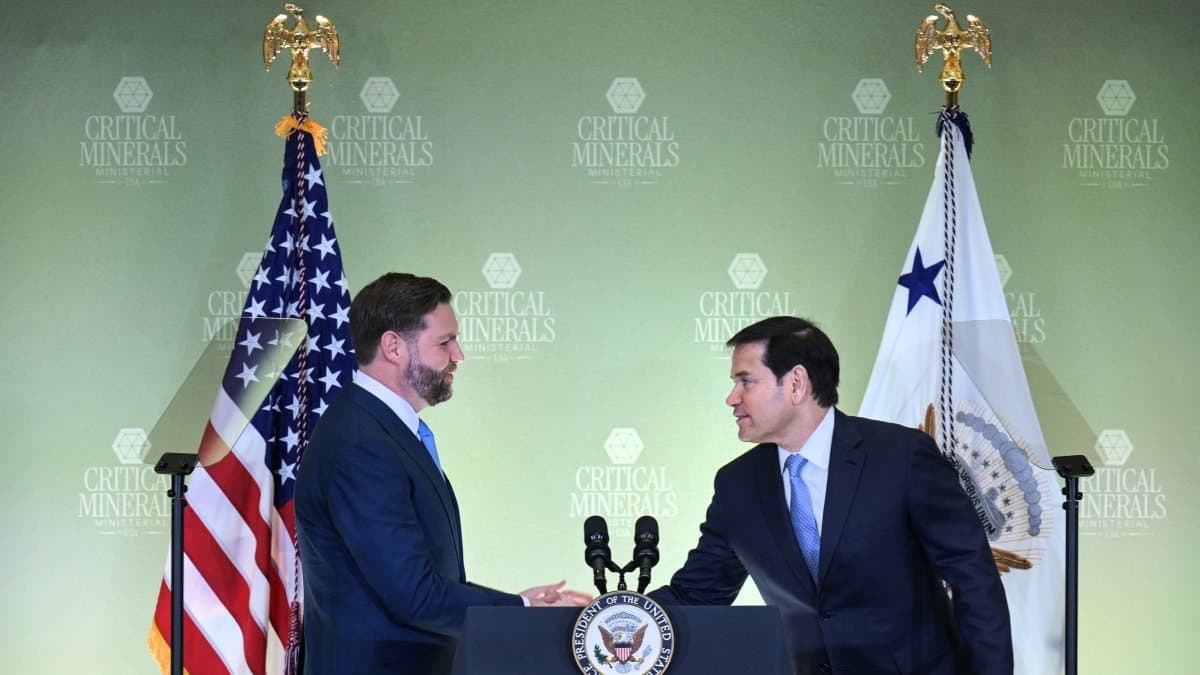
Trump reportedly praised Rubio's speech to his advisers, according to people familiar with those conversations.
Still, Rubio, who is a friend of Vance's according to reports, has said publicly that he has no intention of challenging the vice president, who also already has strong supporters within the conservative world and the MAGA universe, including Donald Trump Jr., Erika Kirk, wife of the late Charlie Kirk, and also commentator Tucker Carlson.
However, this latest endorsement, which may have been beneficial in the past, could now be detrimental, especially given the conservative commentator's recent attacks on Trump, who has hit back publicly.
Indeed, Carlson's support for Vance has already sparked tensions in the Republican world, specifically among pro-Israel donors, who take a dim view of the conservative commentator's strong criticism of the Israeli state.
Rubio, moreover, has broad support within the Republican Party, especially in South Florida, where the former senator cultivated relationships for decades.
Vance has also played an important role in fundraising for the Republican Party. In his role within the party structure, he has participated in events with major donors, including investor Jeff Yass, Palantir CEO Alex Karp and ConocoPhillips CEO Ryan Lance, in meetings aimed at strengthening Republican funding ahead of upcoming election cycles.
Early polls within the Republican Party have also shown Vance as an early favorite for the 2028 presidential nomination.
At the same time, Trump has continued to ask political allies, donors and influential figures in the conservative movement what they think of both leaders, which has fueled speculation within the party about who could become the movement's future leader.
According to people close to the president, Trump has even privately raised the possibility that Vance and Rubio could end up competing together on the same presidential ticket. However, that option has not been publicly discussed by either and has also been ruled out by people consulted by the president.
The midterms could also influence the development of this internal dynamic. Vance has taken an active role in the Republican strategy for those races, engaging in fundraising and endorsing party candidates across the country. A Republican victory could certainly boost the vice president. However, a defeat could raise questions about his suitability to lead the Republican presidential ticket.
Meanwhile, the Trump administration's foreign policy accomplishments could catapult Rubio into a position to challenge Vance. Any failure or defeat, however, could weaken his image and pave the way for the vice president.
🛠 Do you think there is an error in this article?
Recommendations
LATEST