US deploys 10,000 troops to Caribbean and Puerto Rico as Trump rejects Qatari mediation with Venezuela
With 5,500 troops stationed in Puerto Rico and another 4,500 aboard naval units, the buildup appears to signal a larger operation ahead.

U.S. Marines unload equipment in Puerto Rico

The United States has already deployed some 10,000 troops to its military bases in Puerto Rico and the Caribbean Sea, in a campaign the White House calls a war against narco-terrorist organizations in the region, including those groups linked to the regime of Nicolás Maduro.
The tip comes directly from unnamed Trump Administration officials cited by New York Times, which further reported that President Donald Trump has so far rejected Qatar's efforts to mediate between Washington and Caracas.
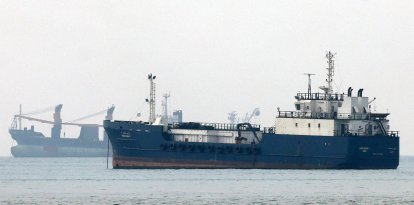
The deployment comes against a backdrop of maximum US pressure against regional drug cartels. Since early September, the Pentagon executed at least four lethal attacks against civilian vessels in the Caribbean Sea, leaving 21 dead. The Trump administration claims they were drug traffickers linked to Venezuelan "narcoterrorist" groups, including the Aragua Train and the Cartel de los Soles, both organizations designated as terrorists and linked to Maduro and his regime.

Politics
Senado: fracasa la resolución demócrata que buscaba limitar los poderes de Trump en su guerra contra los narcoterroristas
Emmanuel Alejandro Rondón

World
Trump pulls Grenell away from Venezuela: no more diplomatic efforts to deal with Maduro
Emmanuel Alejandro Rondón
In parallel to the attacks ordered by Trump and the imposing military deployment in the Caribbean, Qatar attempted to open a mediation channel between Venezuela and the US, consistent with its recent record as a global diplomatic agent. However, Trump has chosen not to embrace that avenue, even instructing his special envoy for Venezuela, Richard Grenell, to halt diplomatic rapprochement with the dictatorship of Nicolás Maduro, a turn that leaves Doha with little room for maneuver.
The US military commitment in the region is not only reflected at sea, but also in the air: in addition to its troops, nuclear submarines and warships, the Army has deployed F-35 fighters, MQ-9 Reaper drones and intelligence and transport aircraft in support of the anti-narcotics operation.
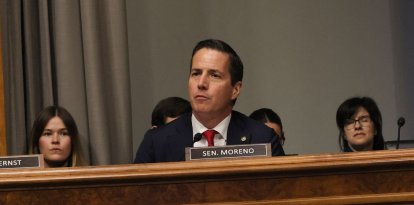
So far, despite Democratic criticism of the lethal operations, the White House has held firm to its position and on Wednesday won a major legislative victory, with the Senate rejecting a Democratic resolution that sought to limit Trump's war powers.
At the moment, according to the NYT, the Qatari mediation is not echoed in the White House and the military device in the region suggests that the Pentagon is preparing broader operations—possibly inside Venezuela—in line with a strategy of maximum pressure: concentration of forces, selective strikes in the Caribbean and signs that Washington prioritizes pressure over any diplomatic channel with Maduro.
LATEST