






Serbia under pressure: Violent protests challenge Vučić's government
The president accuses the protesters of being "terrorists" and points to the West as the instigator of the demonstrations.
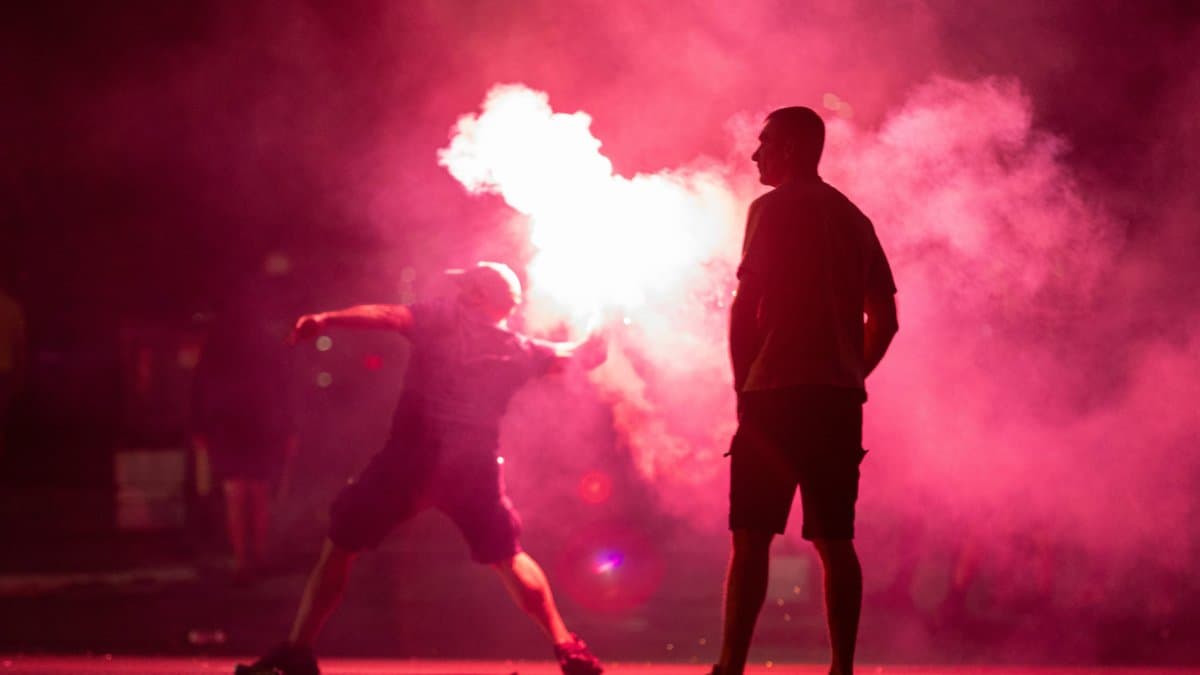

The capital of Serbia, Belgrade, was the scene of a new wave of violent protests against the government of President President Aleksandar Vučić, who threatened to launch a large-scale operation to suppress the protesters, whom he described as "terrorists.”
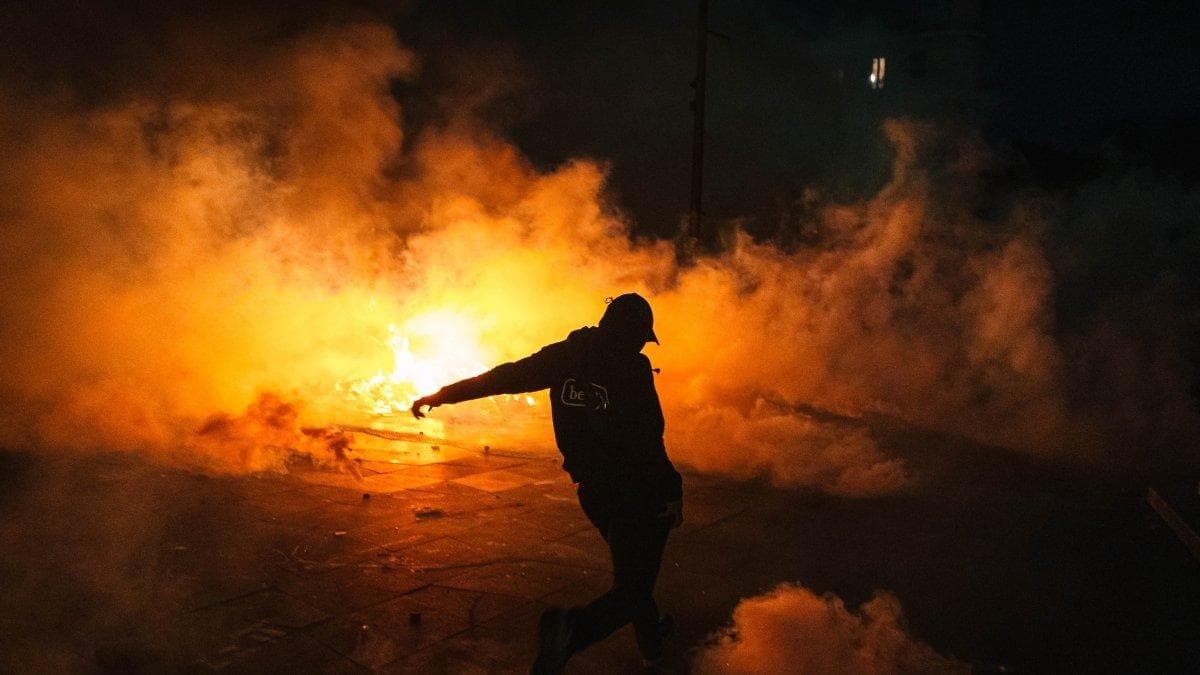
The demonstrations, which have rocked the country for the past nine months, reportedly came to a head last weekend when protesters attacked the offices of the ruling Serbian Progressive Party in several cities, including the capital.
Politics
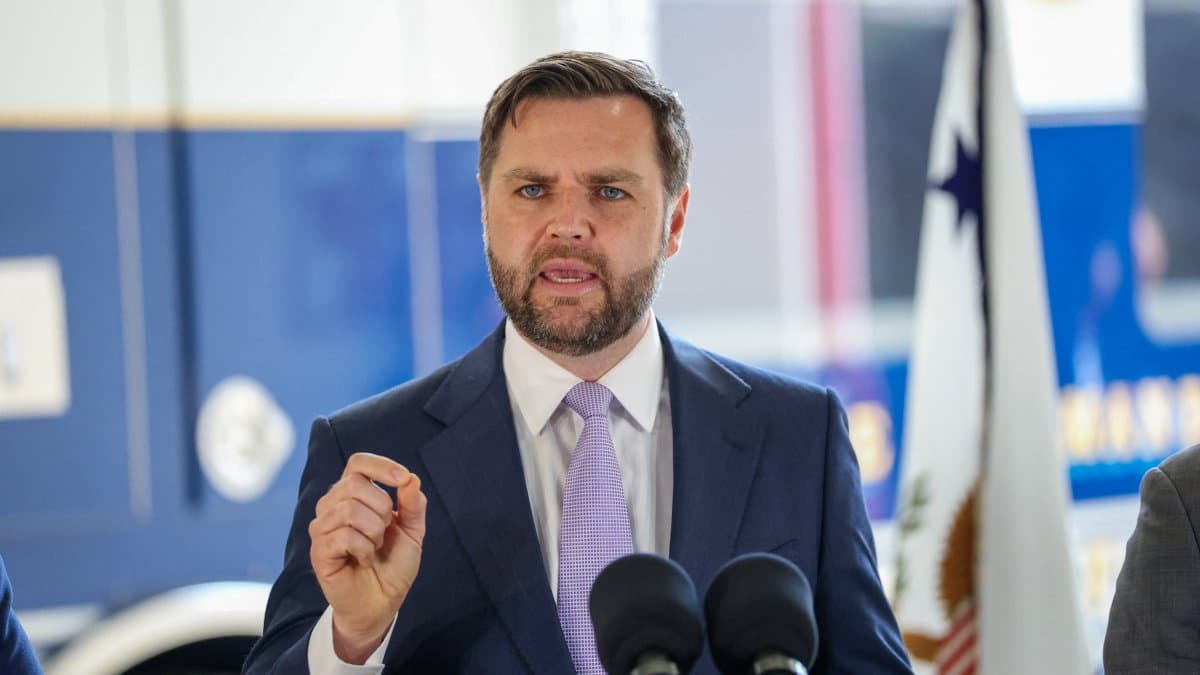
Vance told US troops in the UK that thanks to them Trump is going to 'bring peace to Europe once again'
Luis Francisco Orozco
The spark that ignited the protests
The protests began after a tragic collapse of a concrete roofat a train station in the town of Novi Sad in 2024, which left 16 dead. This incident sparked widespread outrage, with many Serbs linking the tragedy to corruption in government infrastructure projects. Critics accuse Vučić of suppressing individual freedoms and democracy, allowing corruption and organized crime to thrive in the country.
Although the demonstrations were mostly peaceful for months, the last week saw an increase in violence. On Saturday, a group of protesters vandalized the offices of the ruling party in a western Serbian city, while in Belgrade on Sunday night, youths identified as possible soccer hooligans smashed in windows and threw stones at the offices of the political party. Police responded with armored vehicles and armed officers, dispersing the crowd as many fled in panic.
Vučić takes aim at the West
In a defiant gesture, Vučić visited the vandalized offices of his party and promised to "free Serbia from this evil." Without detailing specific measures, the president insisted that the protests are orchestrated by Western forces aiming to destabilize the country. "Our nation is in grave danger," he said, accusing the protesters of attacking Serbian values and everyday life.
The escalating protests represent a significant challenge to Vučić's government, which has been criticized for its autocratic drift. Dozens of people have been arrested or injured in recent days, and accusations have been raised against the Serbian Police for excessive use of force and arbitrary detentions.
World
ANALYSIS | Russia's growing influence in Africa: Angola and Chad in the spotlight
Leandro Fleischer
An ally of Russia and China
Serbia, a candidate country for accession to the European Union, maintains close relations with Russia and China under Vučić's leadership, a fact that raises concerns in the West. The current tensions reflect growing dissatisfaction with the country's direction and raise questions about its political future.
After Washington summit, Lavrov wants to impose conditions for any meeting between leaders
"If Russia's security interests are not respected, nor are the rights of Russians and Russian speakers living in Ukraine fully respected, no long-term agreement can be envisaged," Lavrov said Tuesday in an interview cited by AFP.
Lavrov was also asked about a possible meeting between Russian President Vladimir Putin and Ukrainian President Volodymyr Zelensky, with Donald Trump acting as mediator.
In this regard, the head of Russian diplomacy said there is indeed a possibility that such a summit could take place in the future, but stressed that all details would need to be “thoroughly” prepared.
🛠 Do you think there is an error in this article?
Recommendations
LATEST