






From crew to reservation systems: The multimillion-dollar overhaul the aviation industry faces due to the end of daylight saving time
For the airline industry, changing the country's official time is not merely a matter of setting terminal clocks forward.

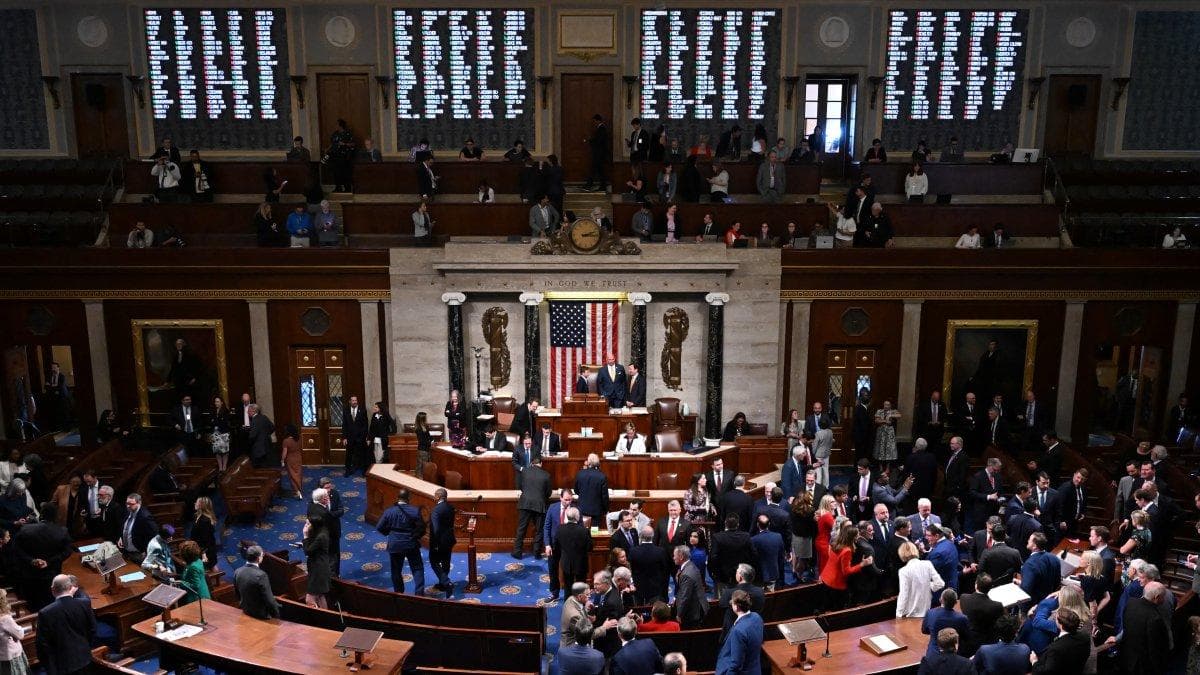
Following the House of Representatives' approval of a bill to make daylight saving time permanent, attention now turns to the Senate, where the proposal must be ratified before reaching President Donald Trump's desk for his signature.
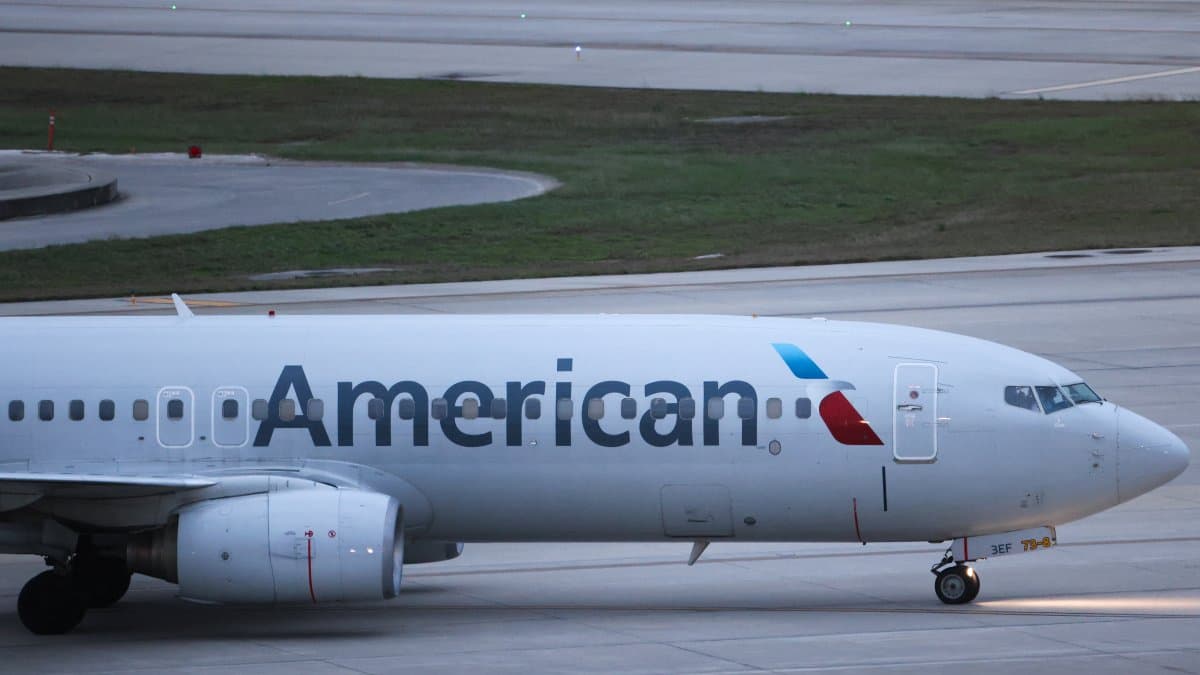
However, while supporters of the measure cite energy benefits, the aviation industry has issued a strong warning about the severe operational challenges this reform would pose to domestic and international air travel.
In a report sent to CBS News, the industry association Airlines for America (A4A), which represents the country's major airlines, warned that the transition to a unified, round-the-clock schedule would require up to 24 months to reconfigure their complex scheduling systems.
According to the organization, the stability of global transportation networks depends on predictability, so any immediate change would trigger connectivity issues both within and beyond U.S. borders.
A maze of software and logistics programming
For the airline industry, changing the country's official time is not simply a matter of setting terminal clocks forward.
The airline trade association noted that airlines operate extensive interconnected networks and that, if the bill is passed, lawmakers must allow ample time to adjust flight schedules, websites, booking platforms, crew assignments, payroll, and the implementation of advanced technological solutions, both within the airlines themselves and among their external service providers.
Aviation industry analyst Henry Harteveldt, founder of Atmosphere Research Group, explained that air travel is uniquely complex because tickets are sold many months in advance.
Although Harteveldt believes that a two-year timeframe might be a necessary estimate and that the actual transition could be completed in a period of between six months and a year, he acknowledged the magnitude of the challenge. The rescheduling will affect everything from aircraft maintenance systems to the deployment of cabin crew and pilots on the ground and in the air.
The impact on other national transportation giants
Commercial aviation is not the only sector affected by this reform. Strategic industries dependent on strict schedules, such as road freight transport and major rail companies, would also be forced to make significant operational changes and reprogram their IT infrastructure to avoid bottlenecks in the national supply chain.
Harteveldt himself pointed out that the biannual time changes already cause daily disruptions at airports, where many passengers miss their connections due to routine schedule confusion, despite constant information campaigns and digital alerts. A permanent and improvised time change, without proper technical support, would multiply these failures on an unprecedented scale.
Society
The US is nearing the end of daylight saving time: The House approves year-round daylight saving time
Emmanuel Alejandro Rondón
🛠 Do you think there is an error in this article?
Recommendations





LATEST