The defendant in the Charlie Kirk murder case is running out of options: a double legal setback that jeopardizes his defense strategy
The case dates back to September 10, 2025, when Kirk was murdered during a Turning Point USA event at Utah Valley University.
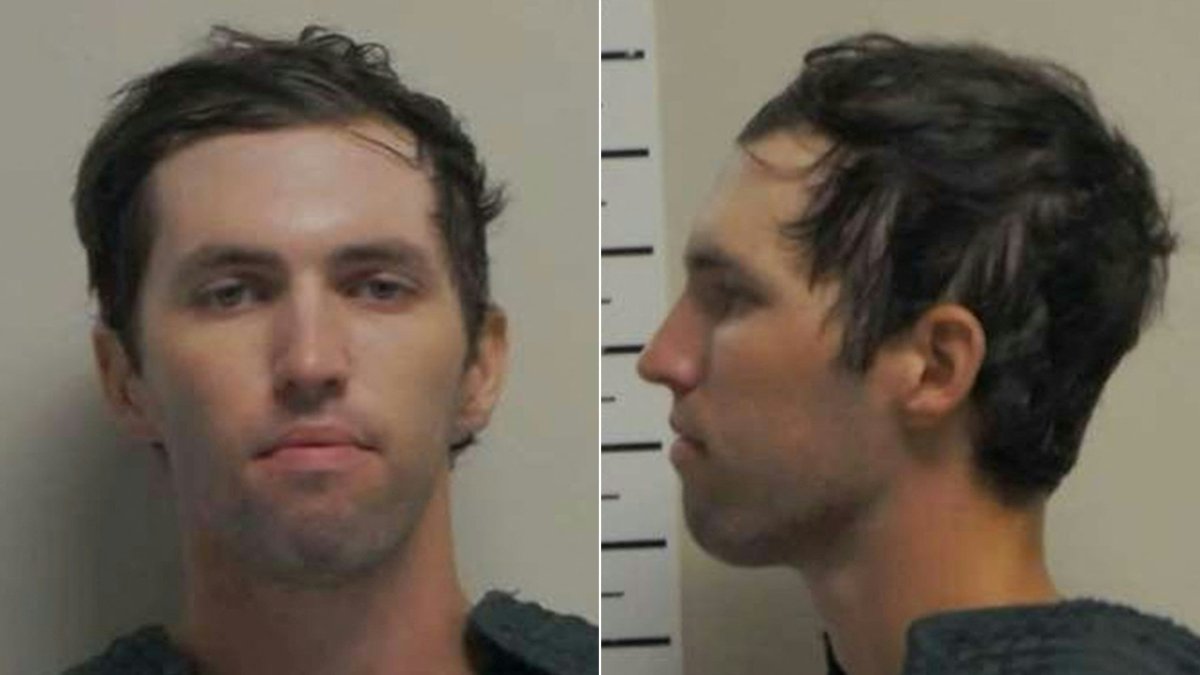
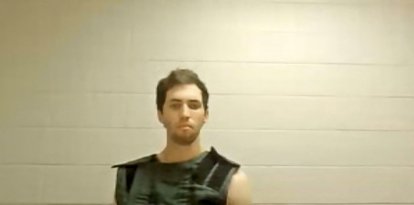
Tyler Robinson.

The legal strategy of Tyler Robinson, who is accused of murdering activist Charlie Kirk, suffered two major setbacks in Utah courts.
Judge Tony Graf Jr. dismissed key motions filed by the defendant’s legal team, though he decided to postpone until next Friday rulings with the greatest political and judicial impact, including the defense’s request to eliminate the death penalty as a possible sentence.
The case dates back to September 10, 2025, when Kirk was murdered during a Turning Point USA event at Utah Valley University. Since then, the prosecution has maintained its firm stance of seeking the death penalty should Robinson be found guilty of aggravated murder, which has sparked an intense procedural battle between the two sides.
Judge Thwarts Defense Attempts to Block Evidence
First, Judge Graf denied the defense’s motion to compel Lance Twiggs, Robinson’s former roommate and ex-partner, to testify in person during the preliminary hearing scheduled for July.
The defense attorneys sought to cross-examine Twiggs directly to undermine the credibility of his previous statements. However, the judge clarified that the limited purpose of a preliminary hearing is to determine the existence of probable cause and not to resolve credibility conflicts, which properly belong in a trial.
In a second blow to Robinson’s defense strategy, the court ruled that the prosecution may use pre-recorded testimony and expert reports, thereby allowing the inclusion of reference evidence technically known as hearsay.
This will allow prosecutors to present Twiggs’ recorded statements, the medical examiner’s report, and federal ballistics and DNA expert reports without the need for in-person appearances at this early stage.
The defense had attempted to block this evidence, arguing constitutional violations. Judge Graf dismissed the claim, noting that, although the preliminary phase is a critical stage of the criminal process, it does not constitute the final trial, and the safeguards must be evaluated in light of its strictly evidentiary function.
Battle Over Pretrial Secrecy and the ATF Reports
Tension in the courtroom rose due to a back-and-forth exchange of accusations regarding the handling of public information. Robinson’s attorneys demanded that the death penalty notice be withdrawn as a punishment for the prosecutors, noting that the latter violated the order restricting statements by giving interviews to the media—an attitude they described as arrogant.
For its part, the prosecution argued that its public statements were limited to clarifying the truth in response to the misleading accounts presented by the defense in its court filings.
According to Utah County Deputy District Attorney Ryan McBride, Robinson’s team biasedly reported that the Bureau of Alcohol, Tobacco, Firearms, and Explosives (ATF) had been unable to link the bullet that killed Kirk to the defendant’s grandfather’s rifle, which is presumed to be the murder weapon.
The prosecution clarified that the ATF’s forensic analysis was “inconclusive” as it could neither definitively identify nor rule out the bullet fragment recovered from Kirk’s body but emphasized that the caliber of the projectile was consistent and that a spent shell casing found at the scene matched the rifle perfectly.
Prosecutor Christopher Ballard denounced the defense’s maneuver as an attempt to generate millions of views on digital platforms and promote unfounded theories about third parties involved, while omitting the technical context of the federal report.


Just The News
Hate Incorporated: The left's intolerance machine threatens to change security forever
John Solomon

LATEST