The US is nearing the end of daylight saving time: The House approves year-round daylight saving time
In the Senate, the future of the legislation remains uncertain due to skepticism among lawmakers from both parties. President Donald Trump supports the measure and is ready to sign it into law.
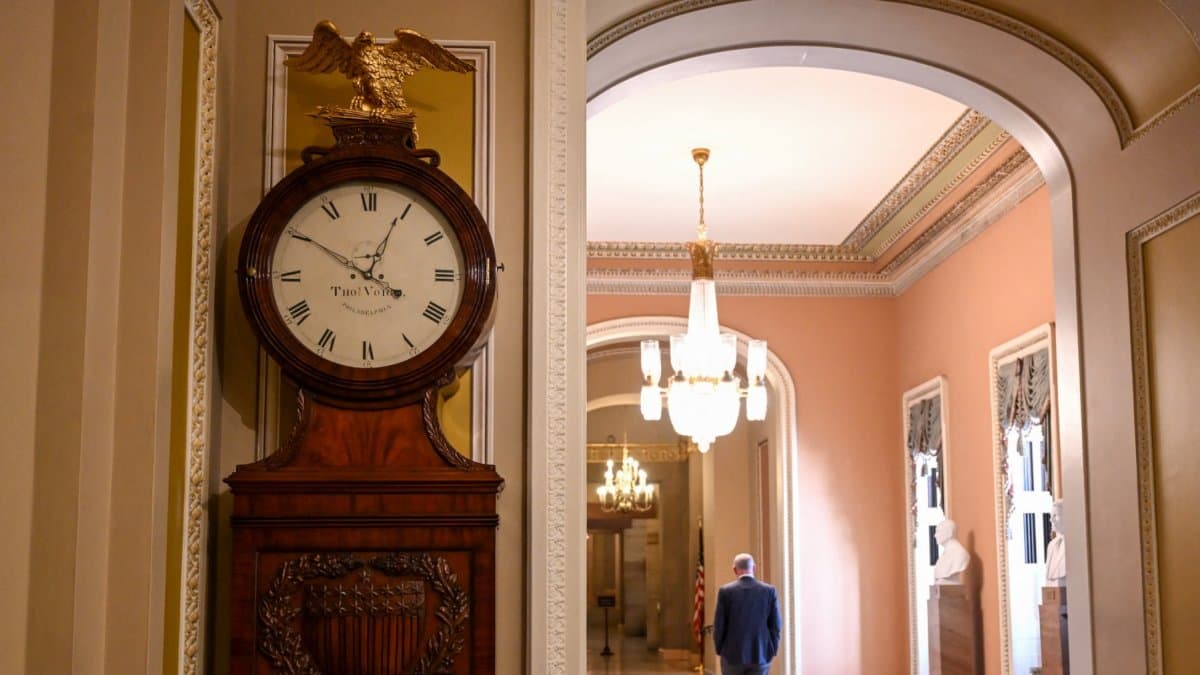

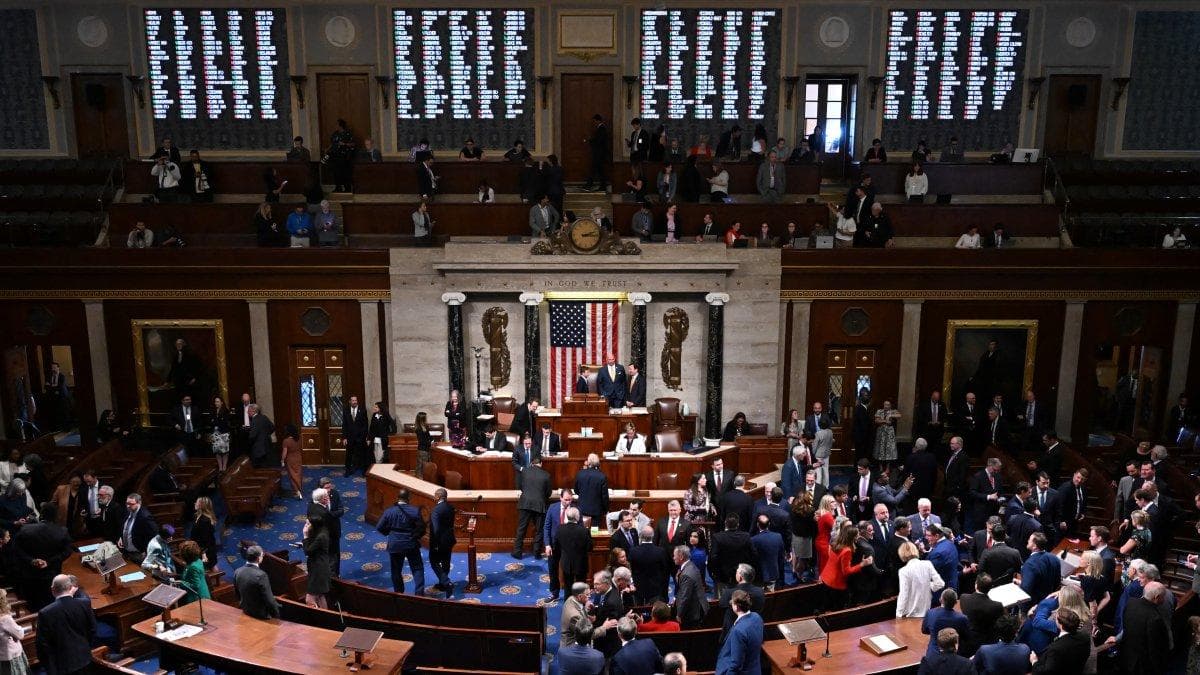
On Tuesday, the House of Representatives took a decisive step toward eliminating daylight saving time in the United States. With a vote of 308 to 117, lawmakers approved the Sunshine Protection Act, a bill backed by President Donald Trump that would allow states to adopt daylight saving time permanently.
The initiative, sponsored by Republican Representative Vern Buchanan of Florida, cleared its first hurdle in the House and is now headed to the Senate, where its future is uncertain due to skepticism from lawmakers in both parties. President Trump, who for years has called for an end to the clock change, would sign the bill as soon as it reaches his desk—if that happens.
The vote divided members of Congress across party lines. Representatives from coastal areas, such as Louisiana, Florida, and New Jersey, supported the measure, while lawmakers from the Midwest and agricultural states opposed it. Among the 22 Republicans who voted against it are Bryan Steil of Wisconsin, Rick Crawford of Arkansas, Ryan Zinke of Montana, and Harriet Hageman of Wyoming. On the Democratic side, Minority Leader Hakeem Jeffries of New York also rejected the bill.
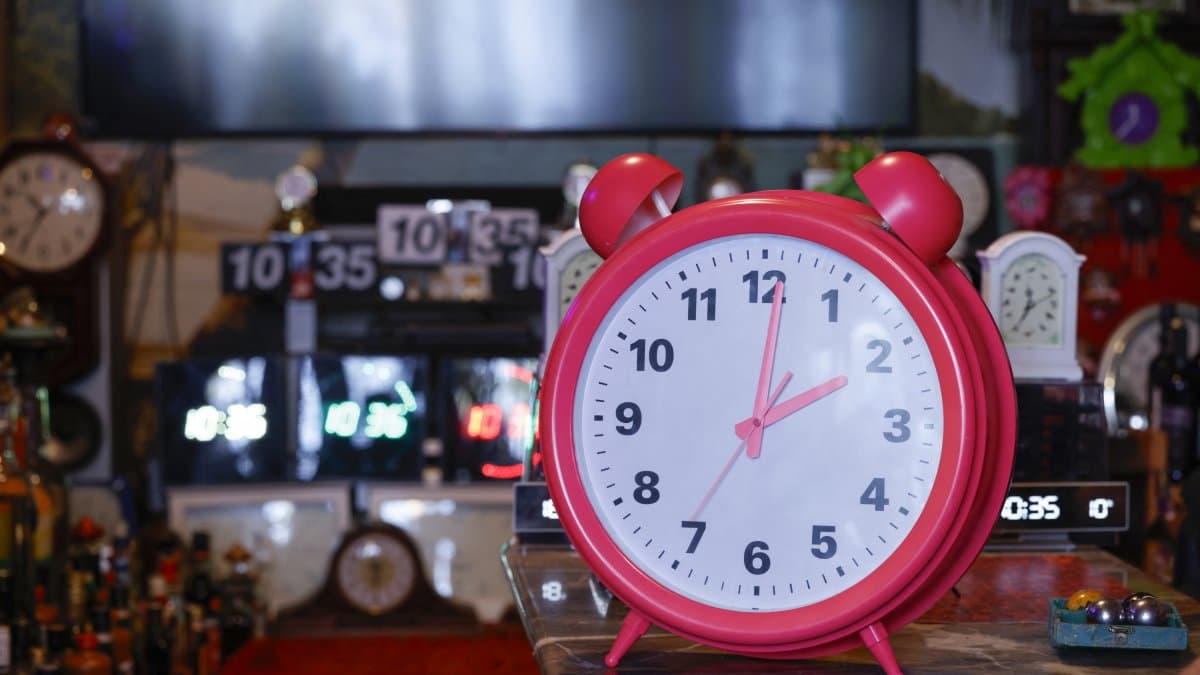

Rep. Kat Cammack, a Republican from Florida, defended the measure, citing the impact of the time change on family routines and her young son's sleep. "For decades, we have accepted this ritual of springing forward and falling back, even though it disrupts routines, throws off our sleep and creates unnecessary frustration for families across the country," she said during the debate.
Rep. María Elvira Salazar, also a Republican from Florida, celebrated the progress on social media, arguing that more hours of sunlight would benefit tourism and local businesses in her state.
Not all lawmakers share this enthusiasm. Democratic Representative Mary Gay Scanlon of Pennsylvania warned that permanent daylight saving time would delay winter sunrises until after 9 a.m. in some regions, posing safety risks for children walking to school in the dark. Scanlon also recalled the failed experiment in 1974, when the United States tried year-round daylight saving time and Congress had to reverse the policy in the face of public opposition.
An AP-NORC poll released in December showed that only 12% of Americans support the current system of changing the clocks, while nearly half oppose it. The Senate had already passed similar legislation in 2022, but the proposal failed to move forward in the House. The situation is now exactly the opposite, and everything is still up in the air.
🛠 Do you think there is an error in this article?
Recommendations






LATEST