U.S. strikes Iranian airport, bridges and train station, reinforces naval blockade with boarding in Gulf of Oman
Hostilities between the two countries resumed on July 7, following attacks on ships in the Gulf attributed to the Islamic Republic.
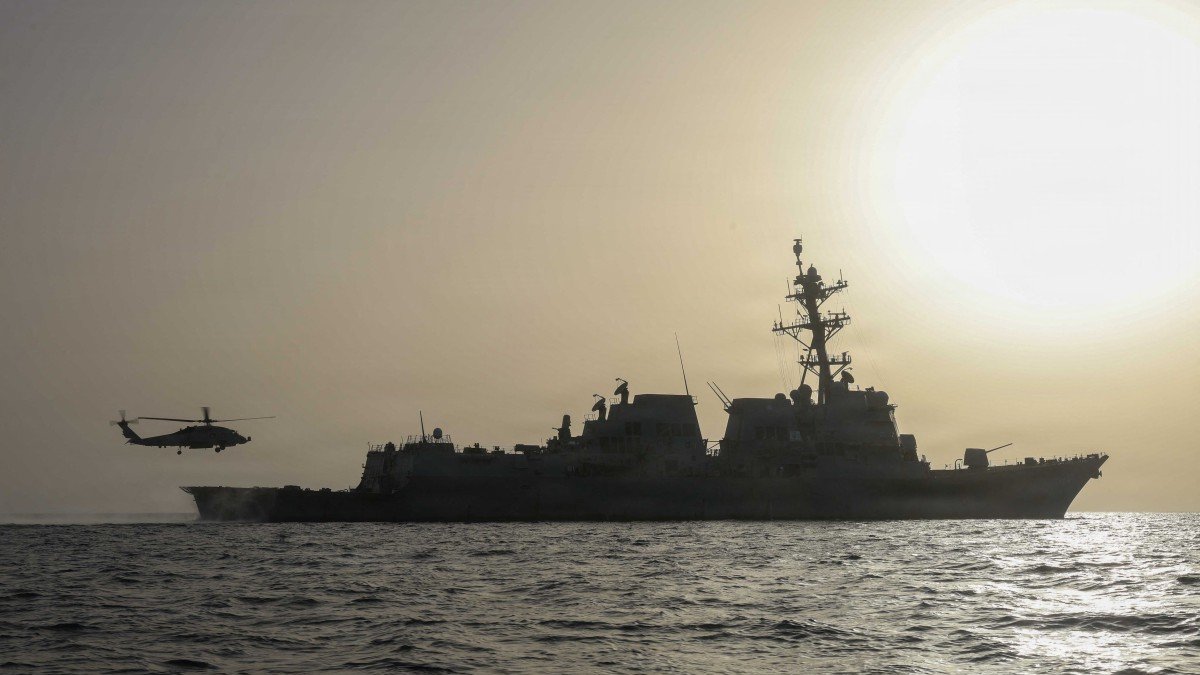
A Sea Hawk helicopter takes off from the destroyer USS Thomas Hudner during operations

During the sixth consecutive day of the siege, U.S. airstrikes hit an airport, a train station, and two key bridges in southern Iran overnight, while the U.S. Navy simultaneously reinforced the naval blockade against Tehran by boarding a vessel in the Gulf of Oman.
According to a report by AFP, on Friday Iranian state media reported that the nighttime bombings struck Iranshahr Airport in the southeast of the country, the port city of Bandar Abbas' train station, and two bridges in Hormozgan Province, near the Strait of Hormuz.
On Telegram, State-run IRIB television reported that three explosions were heard near the airport and that at least one projectile struck the facility. Meanwhile, the Mehr news agency reported that the Bandar Abbas train station was attacked and that two people were reportedly injured. An official report cited by the IRNA news agency also mentioned airstrikes against two bridges in Hormozgan, resulting in two deaths and four injuries, figures that so far have only been reported by sources linked to the Iranian regime.
Just The News
State Department sanctions seven entities, individuals for supporting Iranian weapons procurement
Misty Severi
Likewise, on Thursday the U.S. military announced a new wave of attacks against Iran, marking the sixth consecutive night of bombings, with the stated goal of continuing to degrade Iran's military capabilities while peace negotiations remain stalled.
Hostilities between the two countries resumed on July 7, following attacks on ships in the Gulf attributed to the Islamic Republic. The intensity of the bombings since then has been unprecedented since the ceasefire reached in April and complicates diplomatic efforts to bring a lasting end to the conflict.
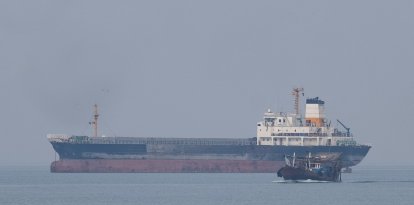
Meanwhile, U.S. forces boarded a ship in the Gulf of Oman on Thursday as part of the renewed blockade of Iranian ports that began this week. Marines from the U.S. Navy boarded the M/T Wen Yao to ensure compliance with the ongoing naval blockade, according to a post by U.S. Central Command (Centcom) on 'X'.
U.S. Marines from the 11th Marine Expeditionary Unit conduct a verification boarding aboard M/T Wen Yao in the Gulf of Oman, July 16.
— U.S. Central Command (@CENTCOM) July 16, 2026
As of today, American forces have redirected 3 commercial vessels trying to run the blockade, disabled 1 that didn’t comply, and boarded 1 to… pic.twitter.com/vbjArHuLaO
A day earlier, a U.S. aircraft had fired on an empty oil tanker attempting to break through the blockade, putting it out of commission. Centcom also stated that, since the blockade went into effect on Tuesday at 8:00 p.m. GMT, U.S. forces have redirected three commercial vessels that were attempting to circumvent it.
This is not the first time Washington has resorted to this strategy: between April 13 and June 18, the U.S. military had already blockaded Iranian ports, a period during which—according to Centcom figures—it disabled nine vessels and redirected more than 140.
With these two active fronts—military and naval—Washington seeks to pressure Tehran both on the ground and along the trade routes that depend on the Strait of Hormuz, one of the world's most strategic maritime chokepoints for oil transport.
LATEST