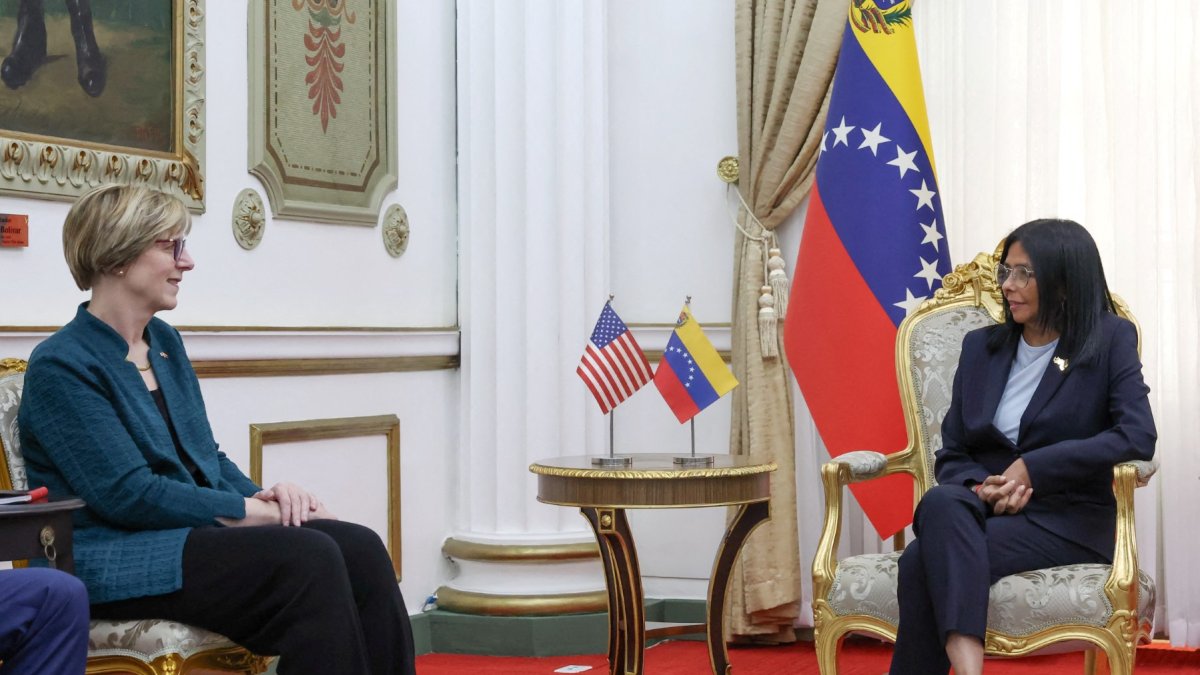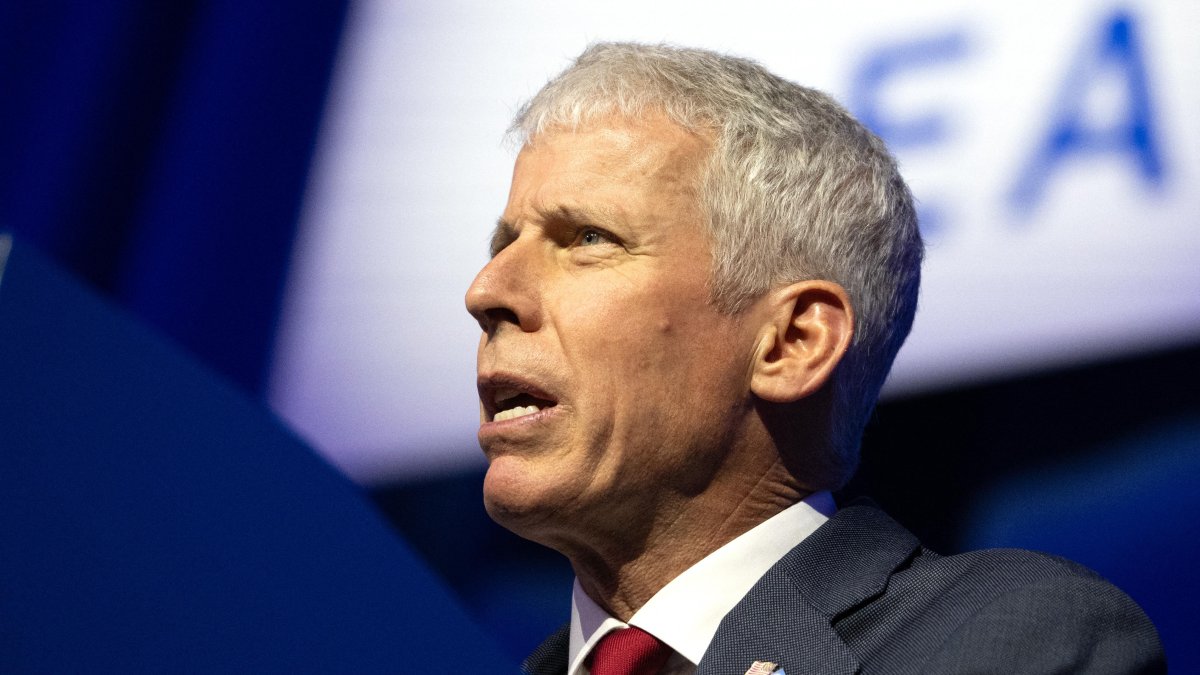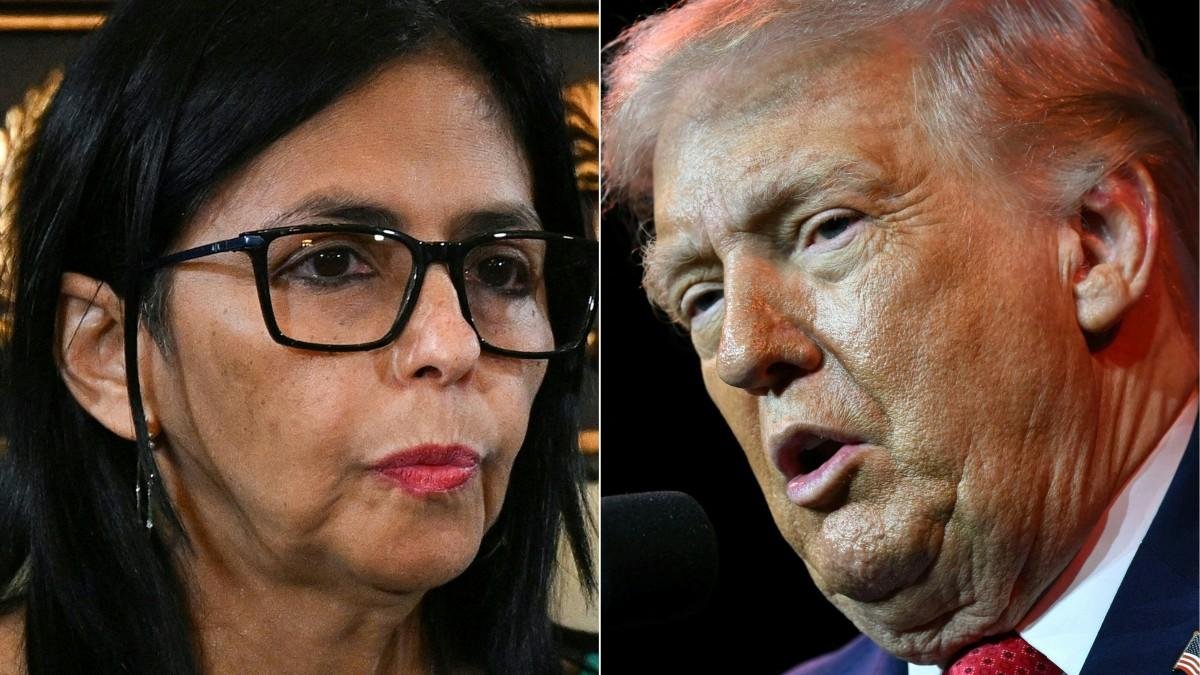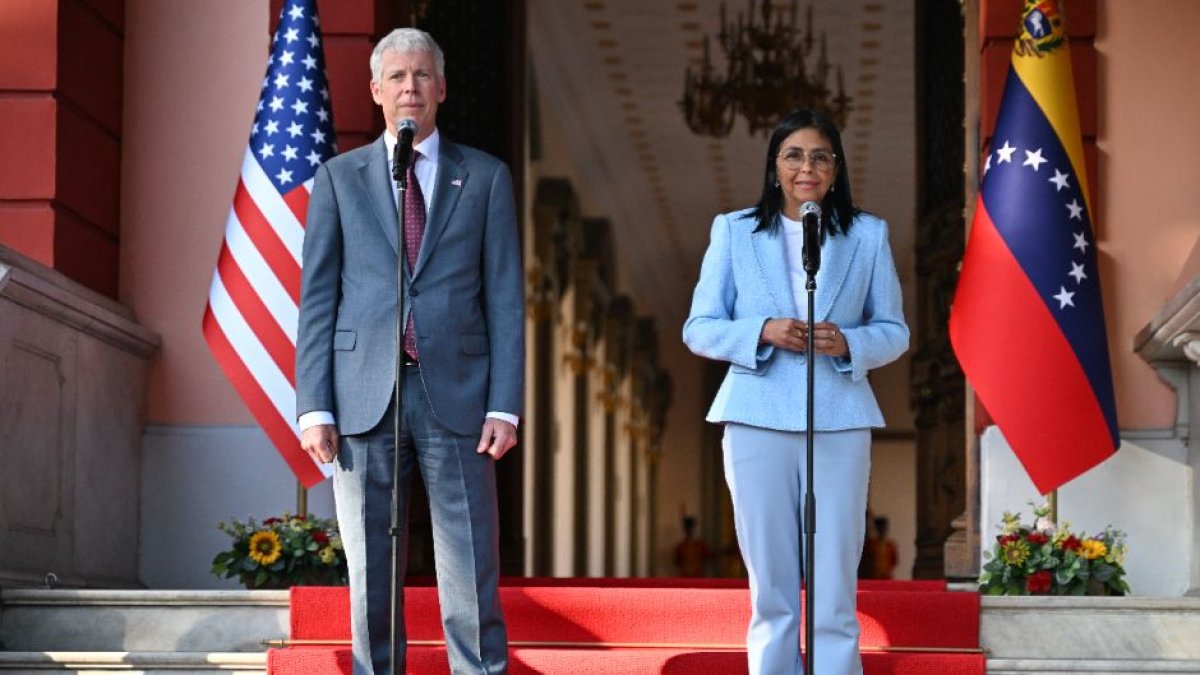
Chris Wright arrives in Caracas and meets with Delcy Rodriguez to 'transform Venezuela' with a bilateral energy agenda
The Secretary of Energy is the highest-ranking U.S. official to travel to Venezuela since the January 3rd military intervention.
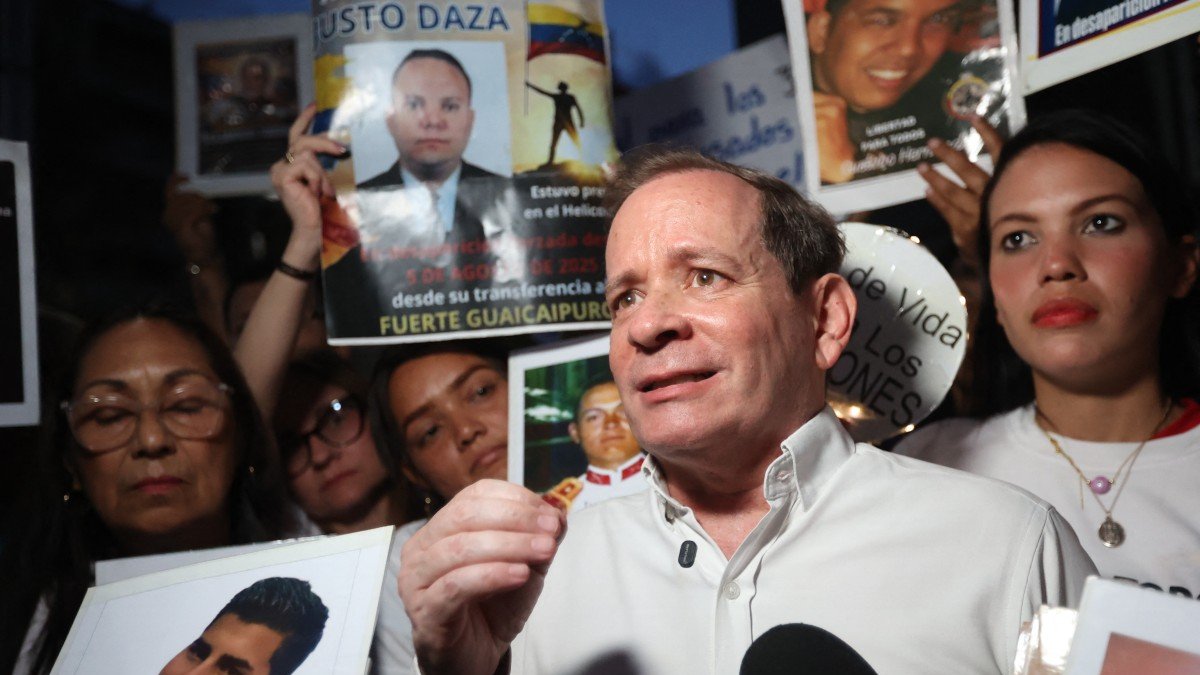
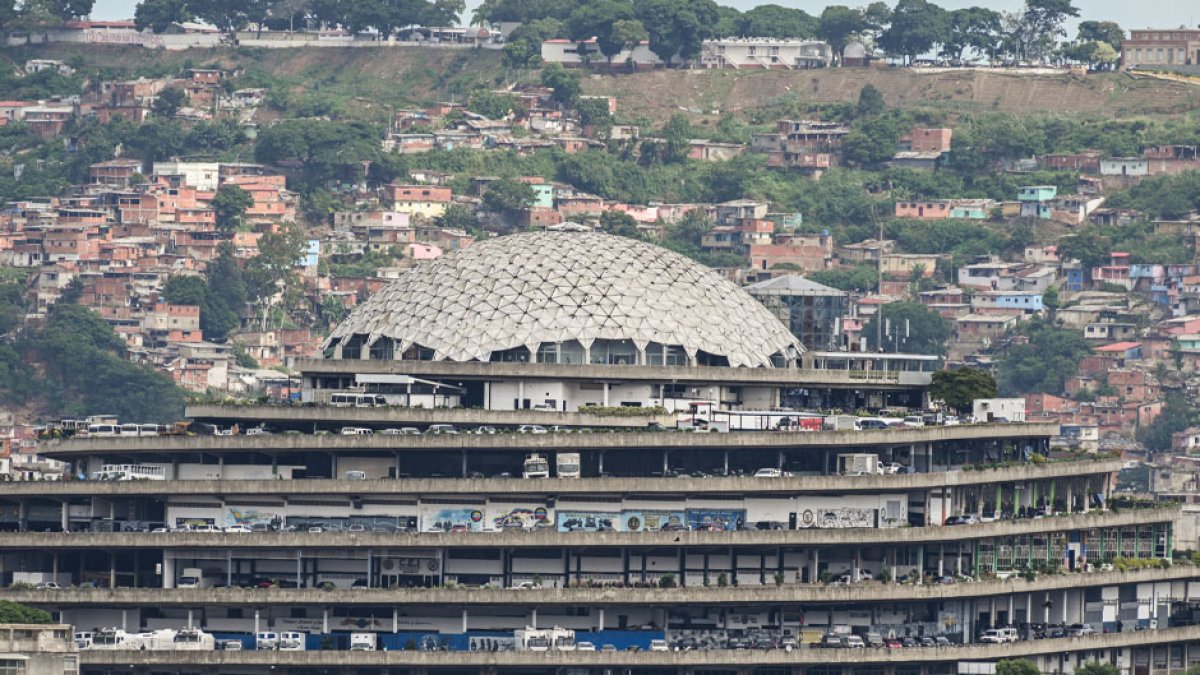
Opposition organizations pointed out that, according to their records, at least 391 political prisoners have been released since January.
"There is a lack of universality in the face of political persecution, a lack of dismantling of the repressive regulatory framework and a lack of institutional guarantees of non-repetition."
During the presentation of the bill, Chavista deputy Jorge Arreaza indicated that it excludes those persons who have been convicted for different types of crimes.
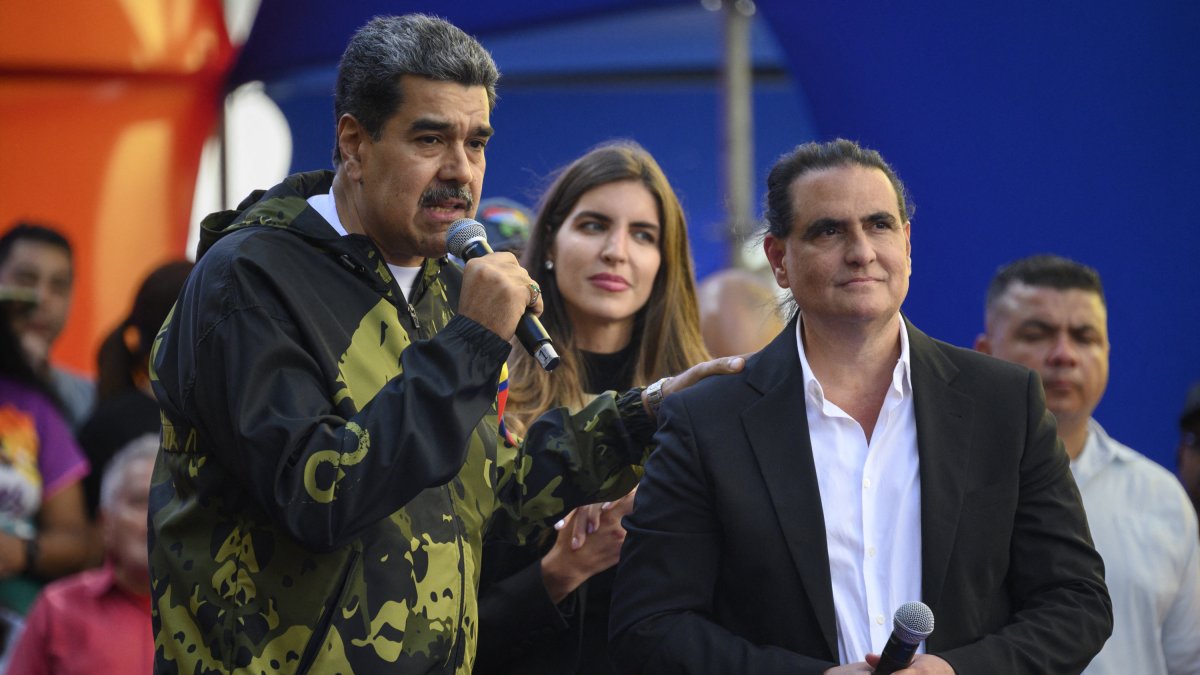
In the same operation, Raúl Gorrín, owner of the Venezuelan television network Globovisión, was arrested.
The meeting took place just days after the United States and Venezuela resumed diplomatic relations, almost a month after the capture of dictator Nicolás Maduro in Caracas.
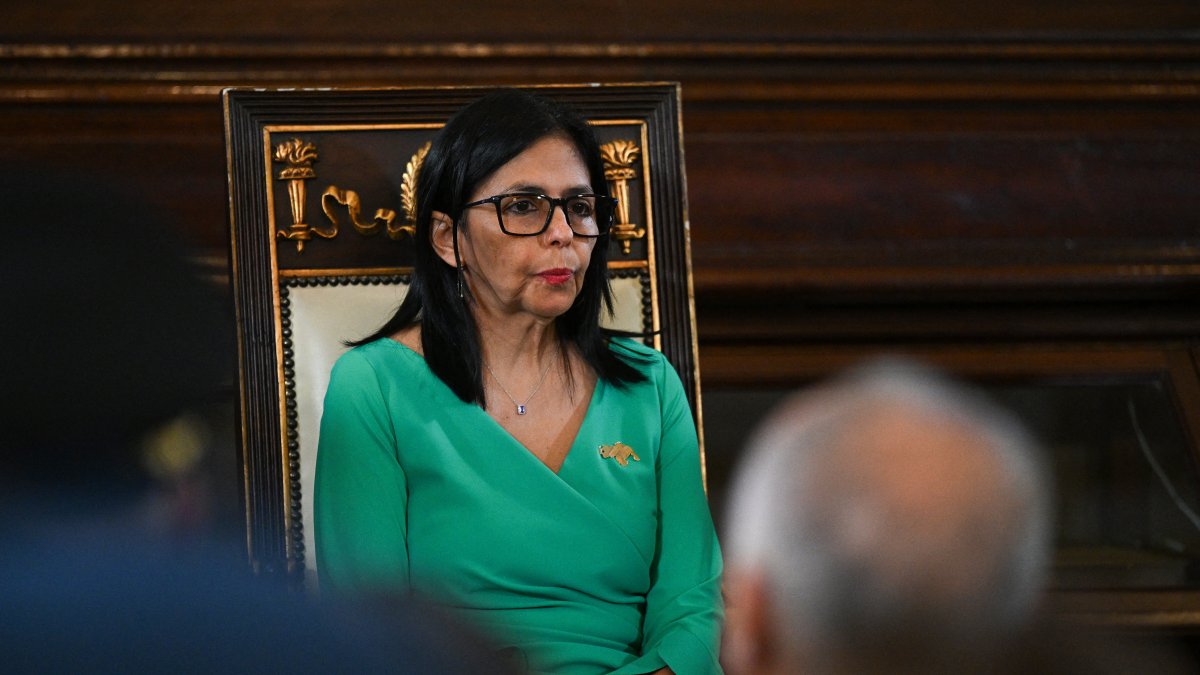
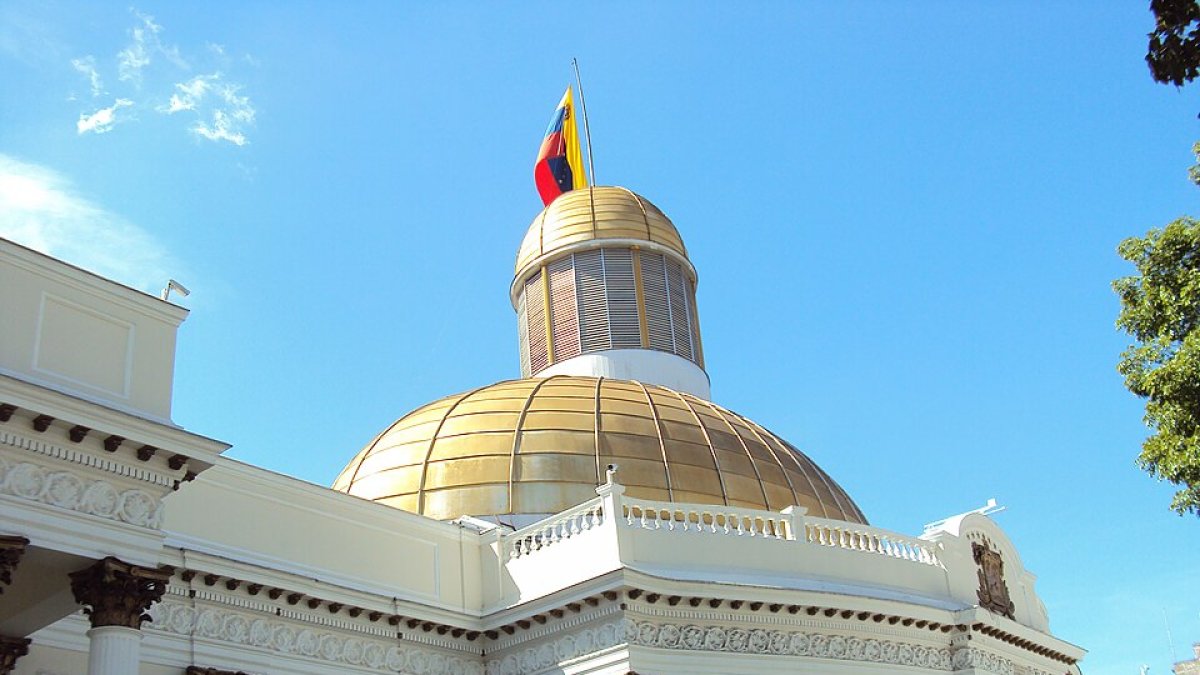
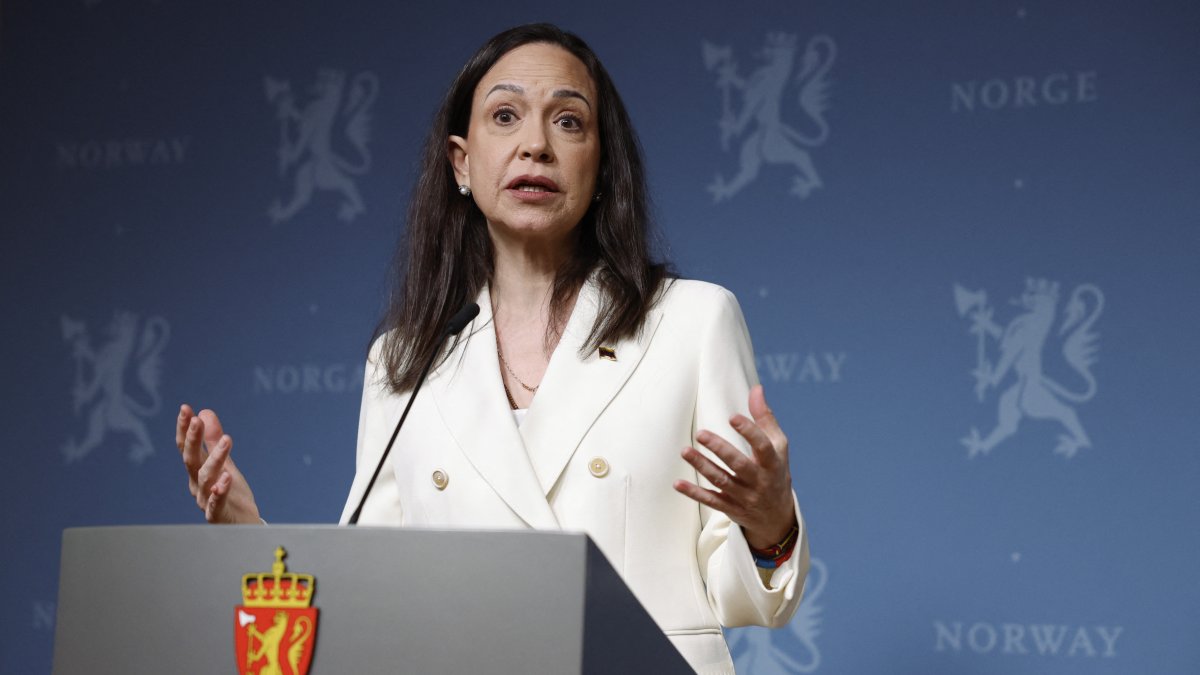
During an event at the Supreme Court of Justice, sympathetic to the regime, Rodriguez indicated that the proposal will be formally sent to the National Assembly, also controlled by the dictatorship.
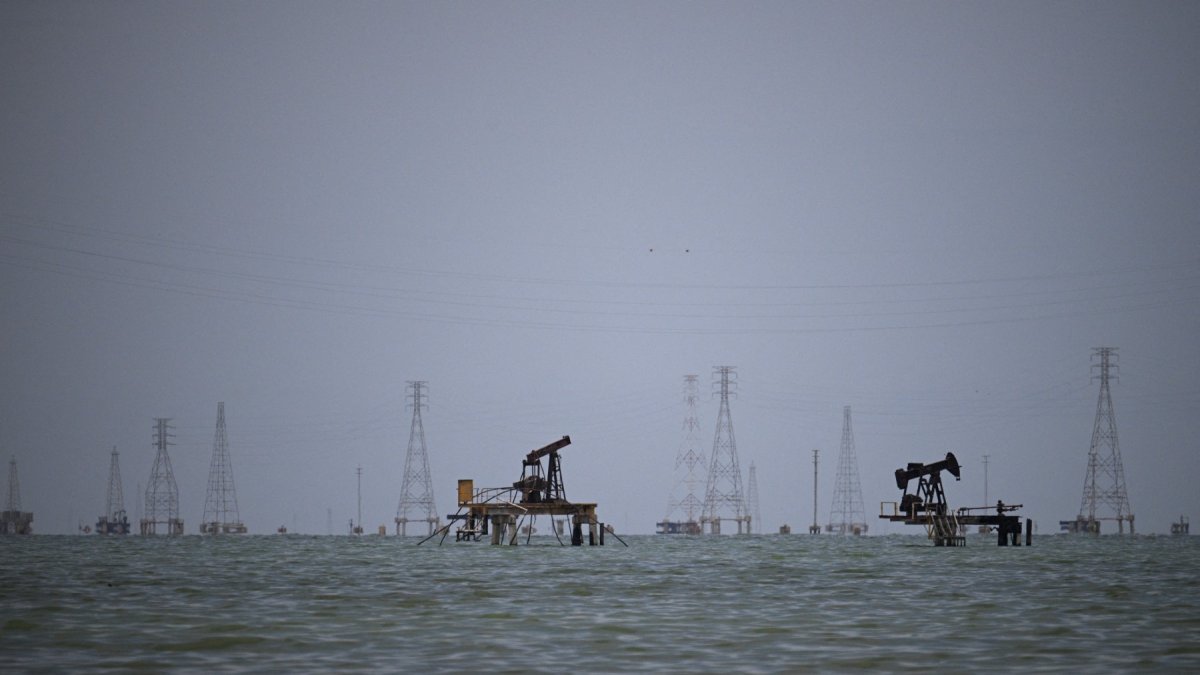
The reform relaxes the rules on private participation in oil projects, enables international arbitration and recognizes the possibility of international arbitration.
"If there was only one person in the whole world that you could choose to lead this process, one person in the whole world that you wanted to be in the room making decisions, who would you choose? Well, I would pick Marco Rubio."
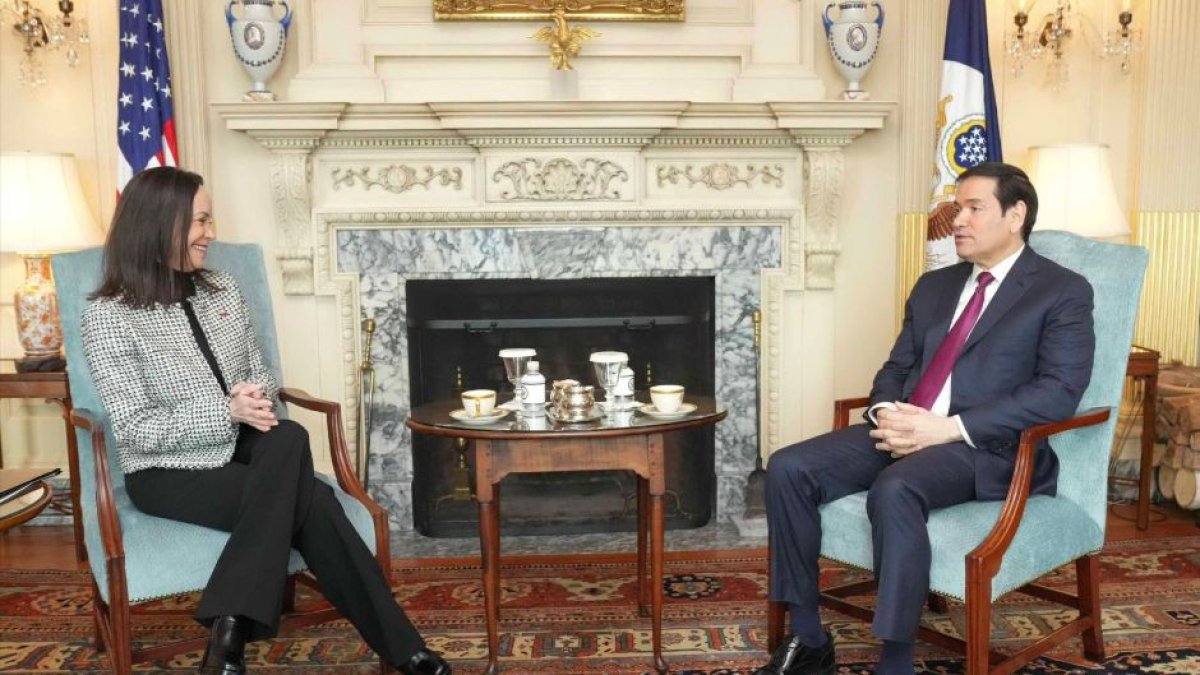
After the meeting with the Secretary of State, the opposition leader affirmed that the democratic process has achieved advances that seemed impossible before.
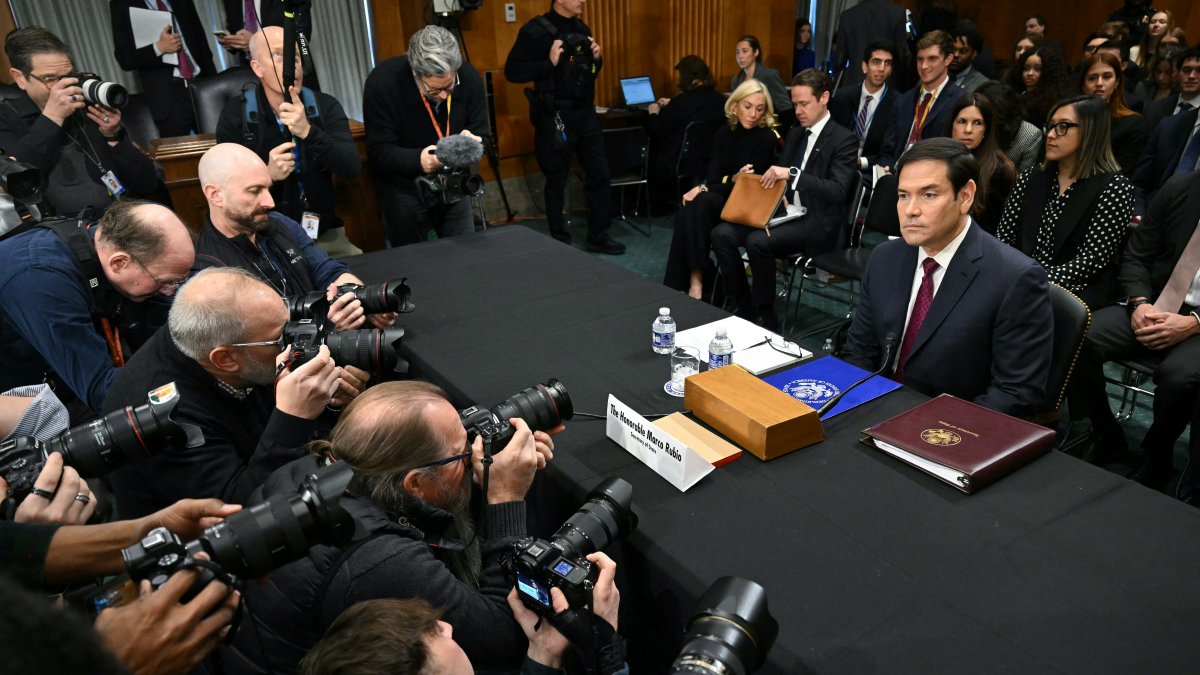
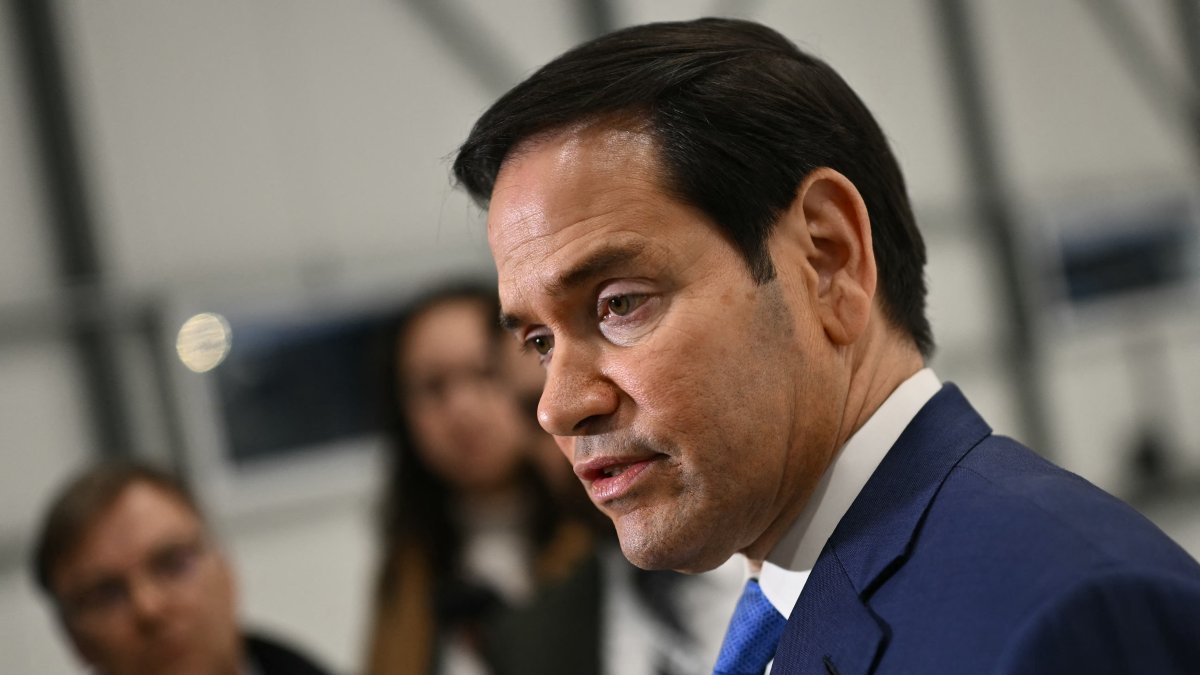
The secretary of state stressed that, although he hopes not to have to resort to that method, the United States will do what is necessary to fulfill its mission.
The Trump administration has made it clear that the management of Venezuela is in the hands of the United States: Delcy Rodríguez must abide by the administration's demands —among them the release of political prisoners.
The opposition leader said that the end of the current model of power in Caracas would allow to revert years of instability and open a stage of prosperity with regional effects.
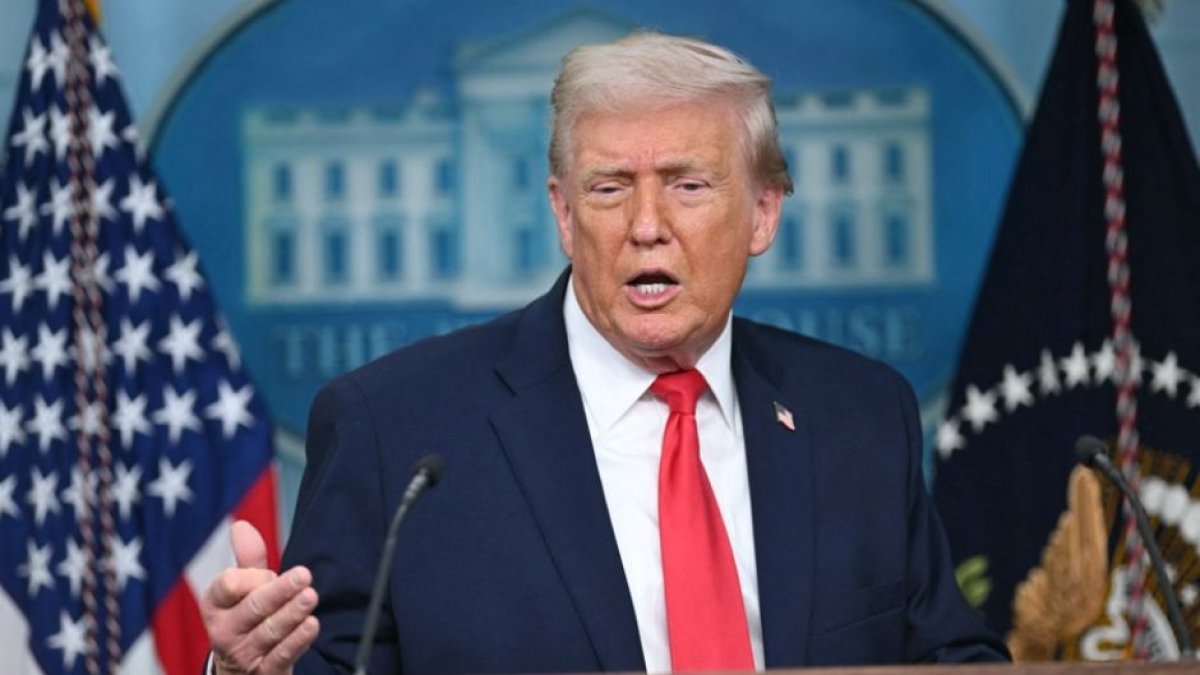
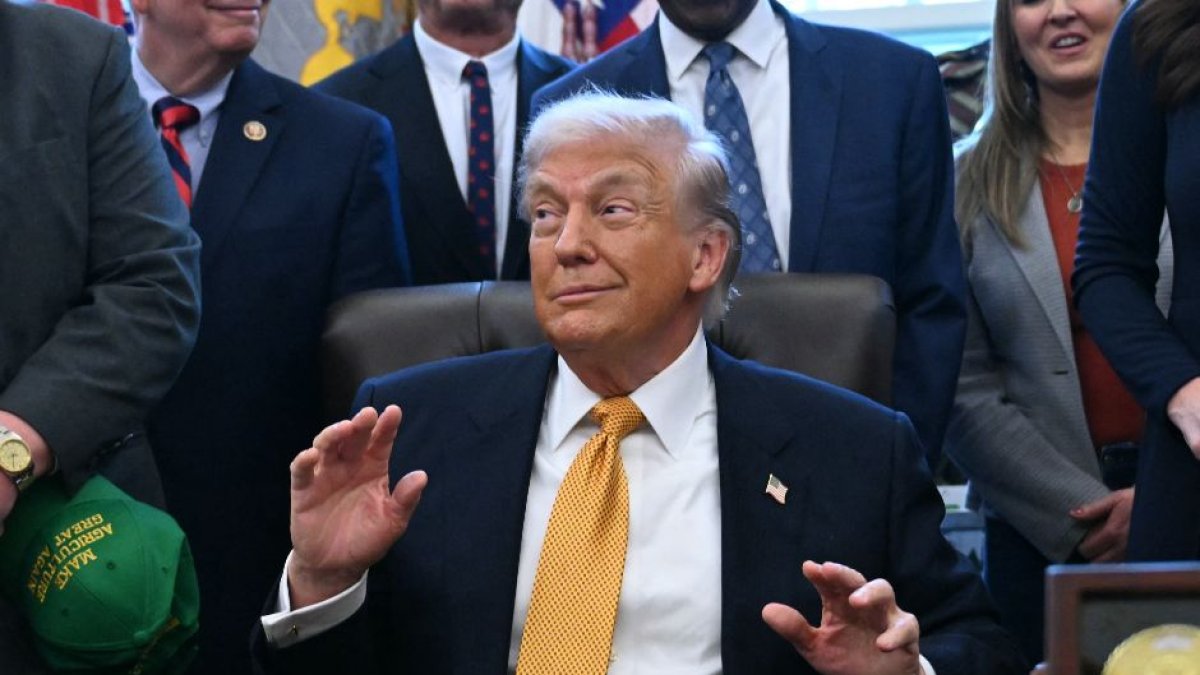
The statement came during a press conference at the White House, as part of events marking the first anniversary of his return to power.
After years of watching fake elections, managed negotiations, and ritualized disappointment, Venezuela is confronting something unfamiliar: the end of guaranteed impunity. Trump has made clear he intends to supervise the transition.
The expectation is that, with greater stability and U.S. commercial support, Venezuela will be able to significantly increase its production.
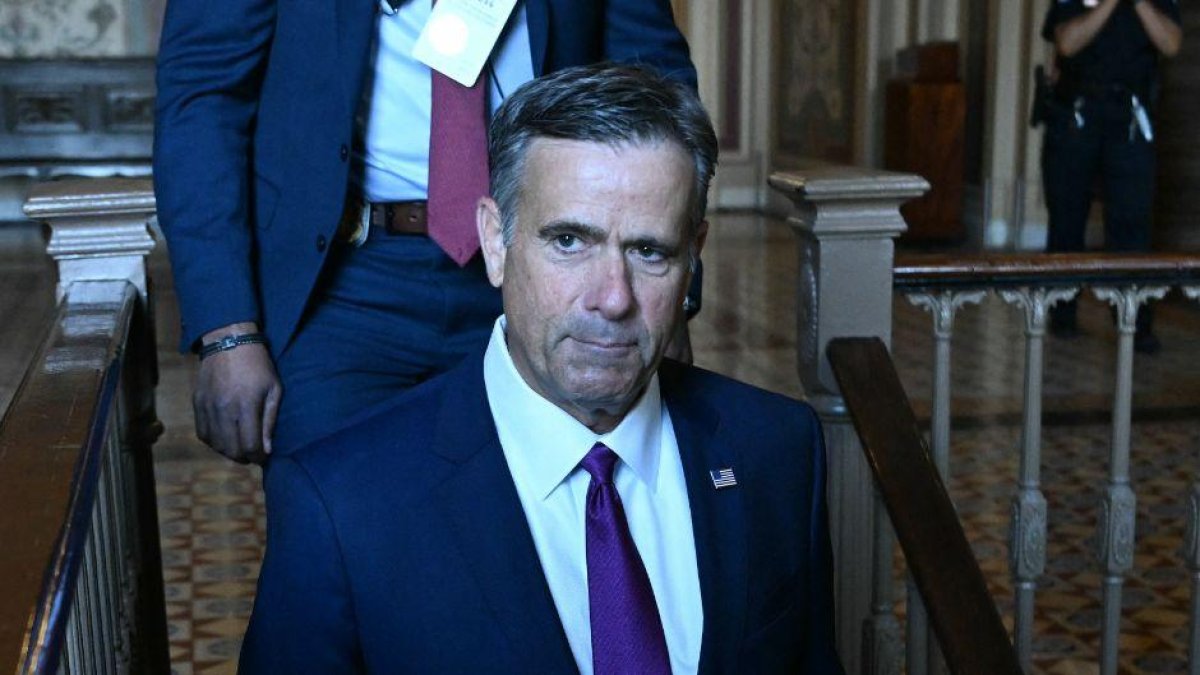
The meeting with John Ratcliffe marks one of the highest level contacts between Washington and Caracas after the capture of the dictator.
The president stated that during the conversation they addressed issues of strategic interest including oil, minerals, trade and national security.
"We welcome the release of detained Americans in Venezuela (...) This is an important step in the right direction by the interim authorities," a Department of State spokesperson said.
After the operation against Nicolás Maduro, the perception of the U.S. among Venezuelans improved notably. Likewise, only 13% of those polled opposed his capture, even slightly.
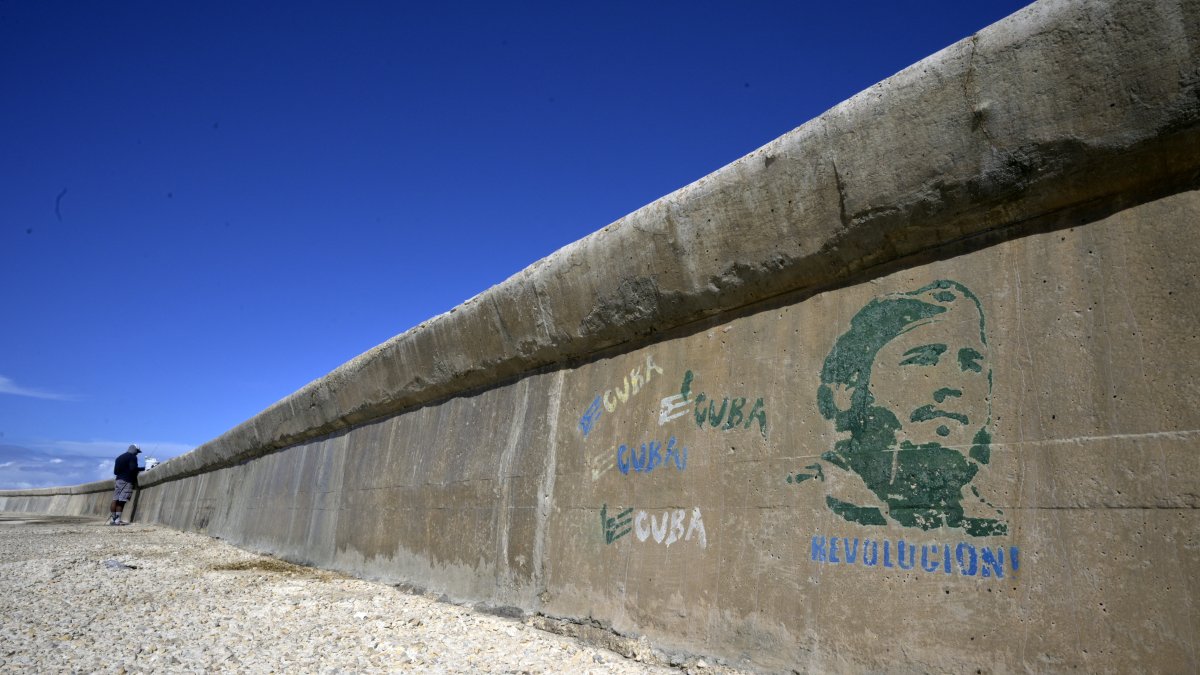
For the Cuban regime, that share of oil was crucial for the maintenance of the electrical grid and the economy in general. Now, as reported by President Trump, it is not that there will be few barrels; it is that there will be no barrels.
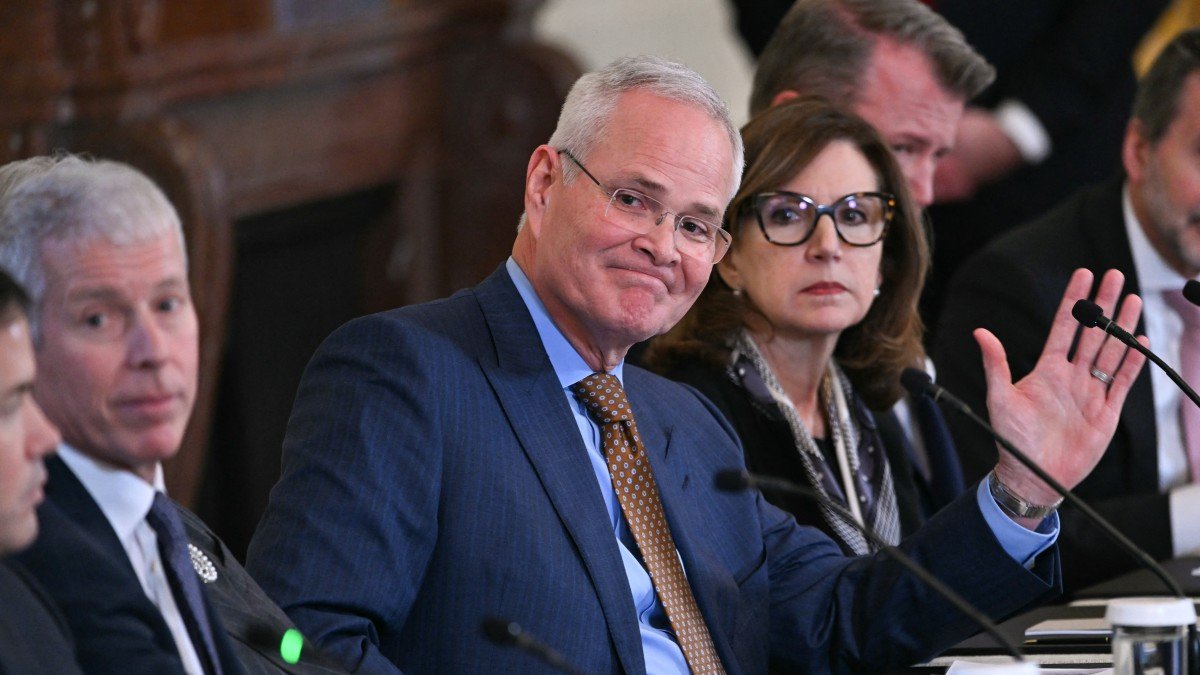
Of the three major U.S. oil companies, only Chevron committed to increase its investments and in a limited way.