Rubio warns that the US could use force if Delcy Rodríguez does not cooperate
The secretary of state stressed that, although he hopes not to have to resort to that method, the United States will do what is necessary to fulfill its mission.
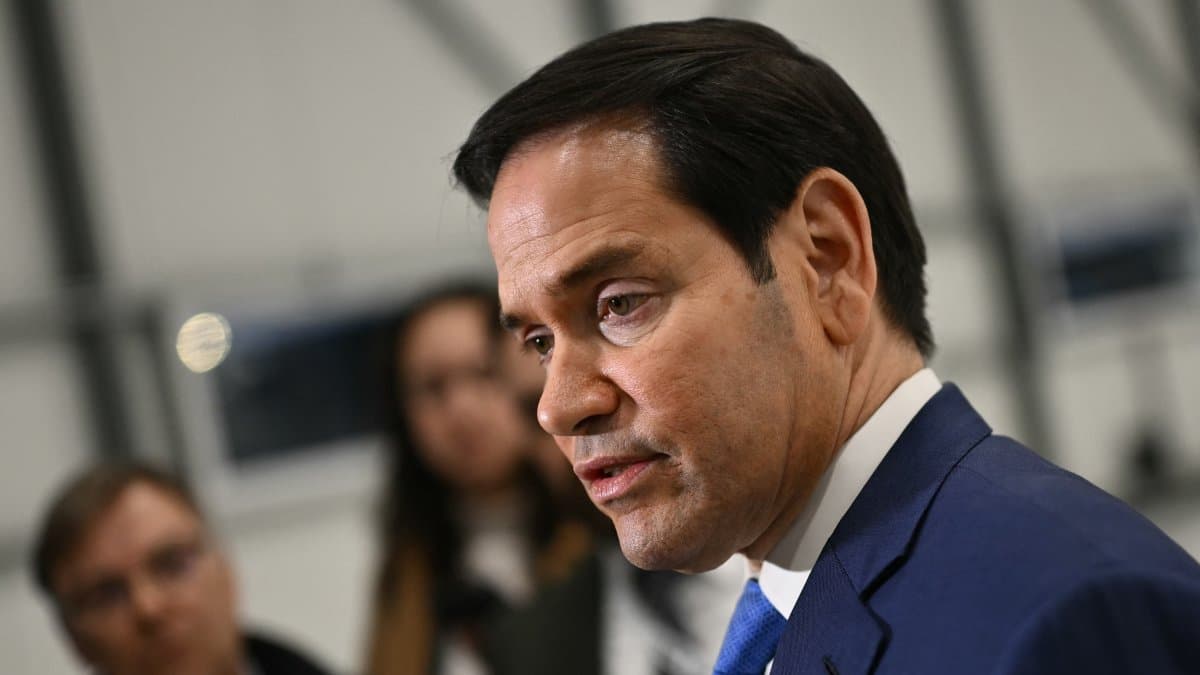

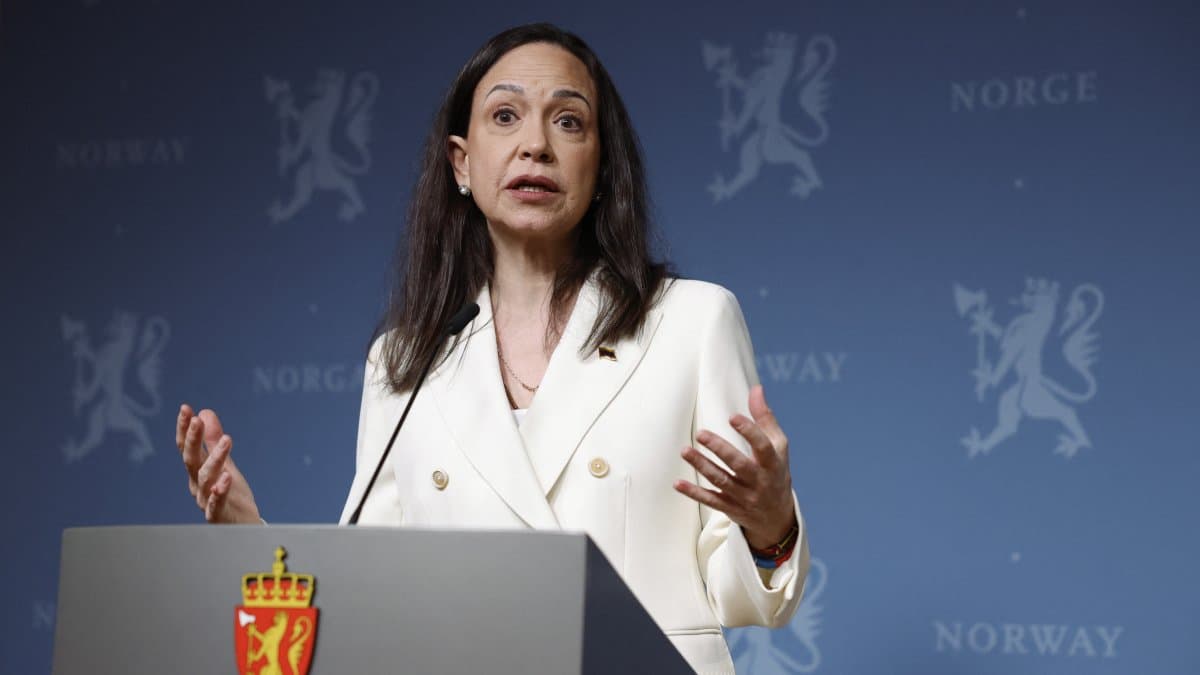
Secretary of State Marco Rubio asserted that the United States is prepared to resort to the use of force if other methods fail to secure the cooperation of Venezuela's interim regime, with U.S. strategic objectives. However, he noted that Washington hopes it will not have to reach that scenario.
"We are prepared to use force to ensure maximum cooperation if other methods fail. It is our hope that this will not prove necessary, but we will never shy away from our duty to the American people and our mission in this Hemisphere," he said.
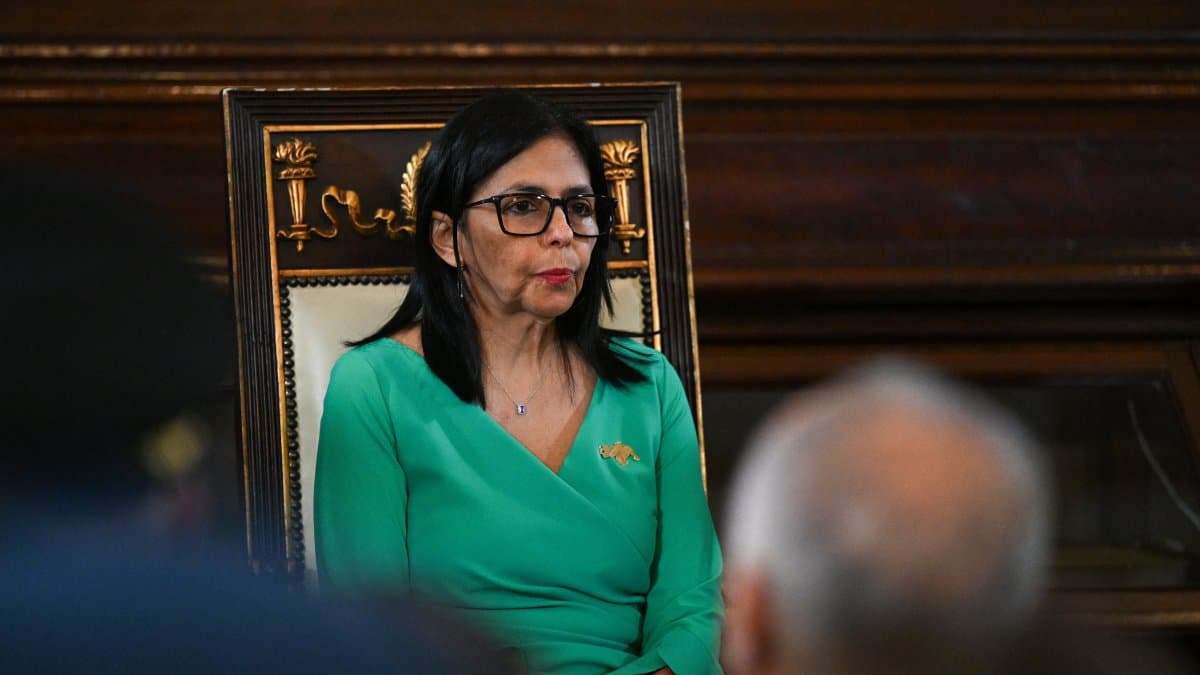
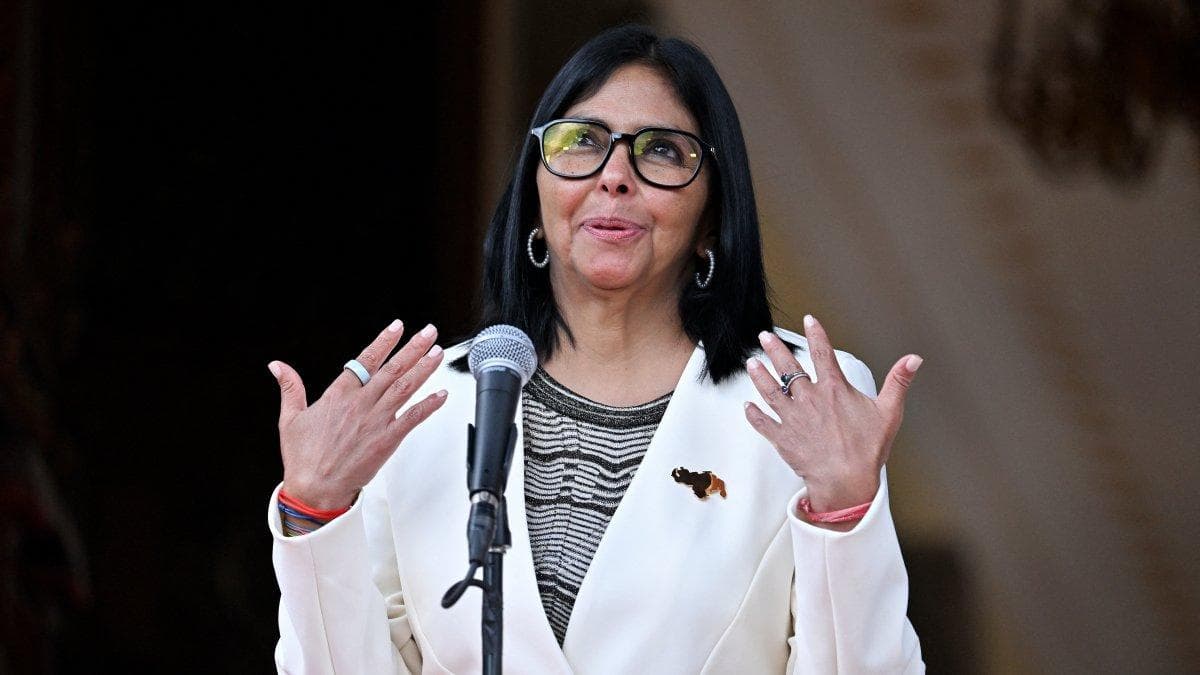
Rubio maintained that Washington hopes that the self-interest of the new Venezuelan regime, headed by Delcy Rodriguez, will drive concrete progress in key areas for the United States, particularly in the energy sector and in the bilateral relationship following the capture of the dictator Nicolás Maduro.
Energy commitments under the new political stage
According to Rubio's prepared statement for a hearing before the Senate Foreign Relations Committee, Rodriguez pledged to open Venezuela's oil industry to U.S. companies, grant them preferential access to production and earmark revenues from crude oil sales to purchase U.S. products. These promises were presented as part of the cooperation framework that the Trump administration seeks to consolidate during the political transition in Venezuela.
The congressional appearance marked Rubio's first public appearance since the U.S. operation in Caracas on Jan. 3, which culminated in the capture of Maduro.
Strategic focus
U.S. intelligence and ongoing transition
In parallel, CNN reported that the United States is working to establish a permanent CIA presence in Venezuela after Maduro's departure. Although the Department of State would lead the long-term diplomatic presence, the report indicates that the intelligence agency would play a key role in the initial phase, with officials operating from an annex before the opening of formal diplomatic channels to establish contacts and address security concerns during the political transition.
🛠 Do you think there is an error in this article?
Recommendations
LATEST