California: Jury finds Meta and YouTube liable in social media addiction lawsuit
The panel answered all seven questions on the verdict form for both companies in the affirmative, concluding that Meta and YouTube engaged in negligence in designing and operating their platforms. That negligent conduct, the jury found, was a decisive factor in the harm suffered by the plaintiff.
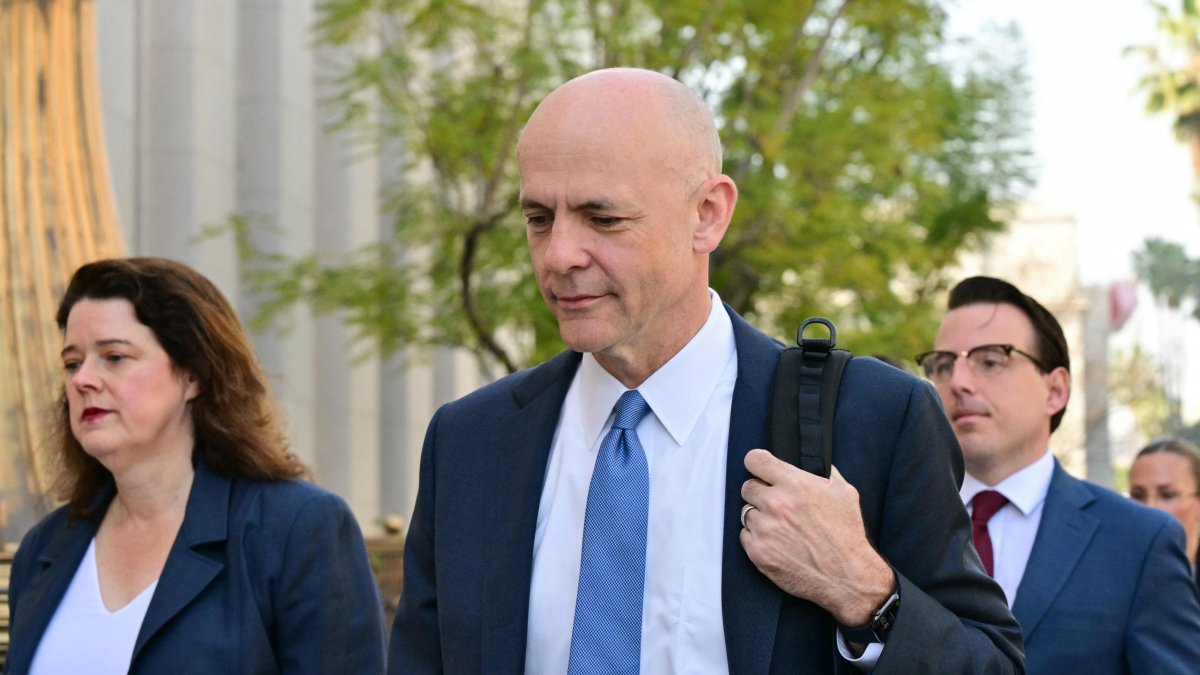
Paul Schmidt, attorney for Meta

A Los Angeles jury concluded that Meta, parent company of Instagram and Facebook, and YouTube caused harm to a young woman by employing addictive designs on their platforms, and ordered both companies to pay $3 million in compensation, which opens the door to even larger punitive penalties.
"Accountability has arrived," the plaintiff's lawyers said in a statement. A Meta spokesperson noted that the company "respectfully disagree[s]" with the verdict.
The jury attributed 70% of the liability for the damage caused to the plaintiff to Meta, equivalent to $2.1 million of the compensatory damages, and the remaining 30% to YouTube, i.e., $900,000.
Negligence and risk to children
AFP reported that the jury answered all seven questions on the verdict form for both companies in the affirmative, concluding that Meta and YouTube engaged in negligence in designing and operating their platforms. That negligent conduct, the jury found, was a decisive factor in the harm suffered by the plaintiff.

Moreover, the jury found that both companies knew, or should have known, that their services posed a risk to minors, failed to adequately warn users of that risk and that a reasonable platform operator would have done so.
The panel also concluded that both companies acted with malice, oppression or fraud, a finding that opens the way for a separate phase to assess punitive damages.
A childhood marked by social media
The plaintiff, identified in court documents by her initials KGM and called Kaley during the trial, is the central figure in a witness case that could establish whether social networking companies can be held legally liable for harming the emotional well-being of minors.
Kaley told jurors that her near-constant use of social media "really affected [her] self-worth," claiming the apps led her to abandon her hobbies, struggle to make friends and constantly measure herself against others.

Society
A jury orders Meta to pay $375 million for exposing minors to sexual exploitation
Emmanuel Alejandro Rondón
The plaintiff started using YouTube at age 6 and opened an Instagram account at 11, before moving to Snapchat and TikTok two or three years later.
In his closing arguments, the plaintiff's attorney, Mark Lanier, portrayed the case as an example of corporate greed. He argued that features such as infinite scrolling, autoplaying videos, notifications and like counters were designed to drive compulsive use by young people.
Meta and YouTube reject accusations of addiction
Meta's lawyer, Paul Schmidt, highlighted the young woman's troubled relationship with her mother and played before the jury a recording in which the mother was reportedly heard yelling at her and uttering insults.
YouTube questioned the actual time Kaley spent on its platform; her lawyer claimed in court that usage logs showed that she engaged in little more than a minute a day in the functions the prosecution described as addictive.
YouTube's legal team claimed in February that the Google-owned video platform was not designed to generate addiction and that it cannot even be considered, in a technical sense, a social network, as part of the second day of a landmark trial against major tech companies.
LATEST