'Phantom Hospices': Fraud scheme that drained millions from Medicare in Texas under investigation
Unknowingly enrolled patients, "phantom" facilities and millions of dollars at stake behind newly released report.
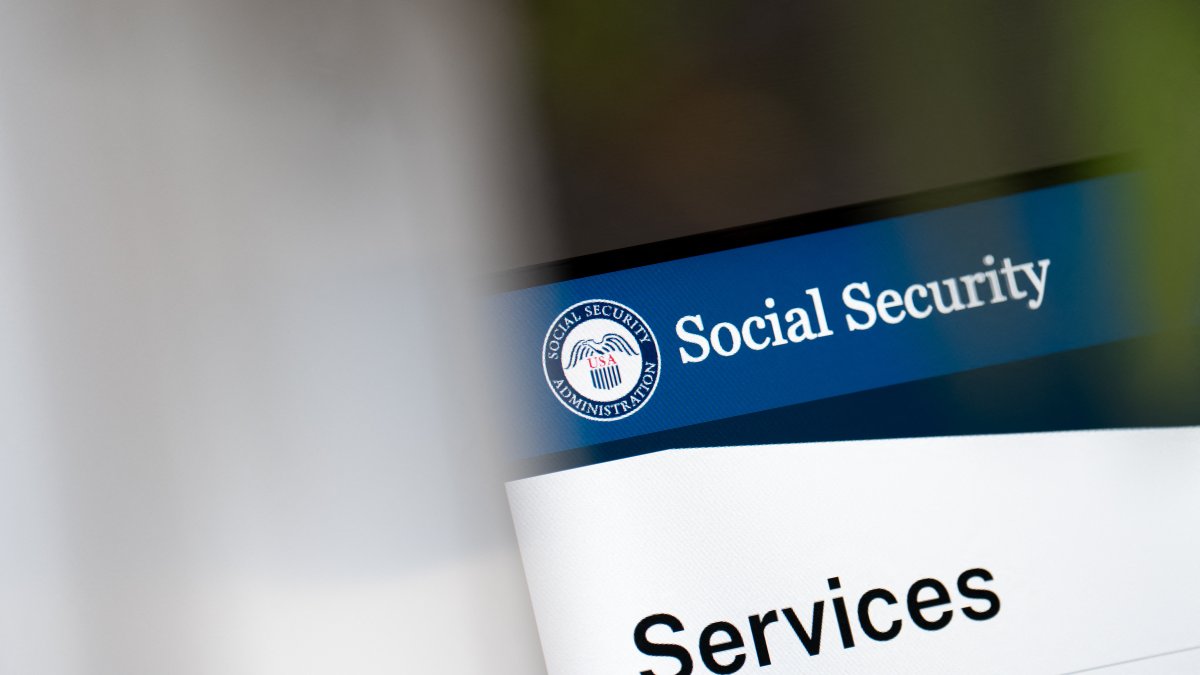
The U.S. Social Security Administration's website.

The palliative care system in Texas faces a growing wave of investigations into alleged fraud in Medicare, after state and federal authorities detected suspicious transactions involving hospices registered in the same building, patients enrolled without consent and billings in the millions for services that should never have been authorized.
The controversy intensified following the testimony of Lisa McNair, president and CEO of Hospice Brazos Valley, before the Texas Senate Health and Human Services Committee. During the hearing, McNair asserted that fraud in the hospice industry "is pervasive" and warned that U.S. taxpayers could be losing millions of dollars annually.
Same owner, 15 hospices in one building
One of the most striking cases revealed during the hearing involves an operator who allegedly ran as many as 15 separate hospices from a single building.
According to McNair, each hospice can bill about $60,000 per month to Medicare with as few as 10 patients enrolled. Multiplied by 15 licenses, the scheme could generate millions of dollars in public funds.
The executive explained that many of these small agencies take advantage of regulatory loopholes to avoid strict controls and operate with virtually no oversight. Some even share administrators, managing physicians and physical addresses.

Politics
Vance's anti-fraud group suspends 447 Los Angeles hospices for alleged multimillion-dollar fraud
Diane Hernández
Unknowingly enrolled patients
Authorities are also investigating allegations that people were enrolled in palliative care programs without having authorized it or suffering from terminal illnesses.
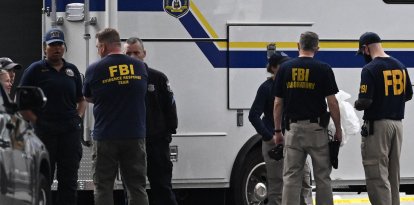
The FBI issued alerts in 2024 about this type of fraud in Texas and other states, warning that some operators were using elderly patients' information to charge Medicare for non-existent services.
The problem not only represents economic losses. Experts point out that when a person is enrolled in hospice, he or she may automatically lose access to certain curative treatments covered by Medicare, since the system assumes that he or she is terminally ill.
The "miracle discharges" that set off alarm bells
Another suspicious indicator detected in Texas is the existence of hospices with 100% discharge rates, i.e., patients who were supposedly admitted for end-of-life care but ended up being discharged alive.
McNair called this situation a clear sign of possible fraud.
"You don't go into palliative care to live; you go in because you're at the end of your life," he testified during the legislative hearing.
Investigators believe some facilities admit patients who do not medically qualify for hospice solely to bill services to the federal program.
Politics
Former NFL player sentenced to over 16 years in prison for nearly $200 million Medicare fraud scheme
Carlos Dominguez
Texas, a new hotbed of fraud in the wake of California scandals
The Centers for Medicare & Medicaid Services (CMS) recognized in 2023 that multiple fraudulent hospices operated from nonexistent or shared addresses and that some closed only to reopen under new names and Medicare billing numbers.
Newspaper investigations by ProPublica revealed that certain buildings in Los Angeles once housed more than 100 registered hospices simultaneously.
Now, federal regulators fear that some of those operations are moving to Texas because of increased controls in California. CMS Administrator Mehmet Oz affirmed recently that the federal government will tighten surveillance over Texas hospice agencies.
Accusations of $110 million
The pressure on Texas increased further after federal prosecutors filed charges against seven Houston residents accused of participating in a hospice fraud scheme valued at $110 million.
According to the Justice Department, the defendants allegedly illegally enrolled patients who were not terminally ill and paid kickbacks to obtain physician referrals.
Authorities allege that many beneficiaries believed they were receiving home care or common palliative services, when in fact they had been registered as terminally ill patients under Medicare.
Governor Abbott orders investigations
Faced with the growing number of cases, Texas Governor Greg Abbott ordered state agencies to beef up investigations related to fraud, waste and abuse of public funds.
Meanwhile, Texas lawmakers are evaluating possible regulatory reforms, including temporary moratoriums on new hospice licenses and tougher controls on shared ownership and addresses.

Politics
Trump administration announces pausing of nearly $260 million in Medicaid for Minnesota over alleged fraud
Luis Francisco Orozco
A growing national problem
Hospice care fraud has become a growing concern for U.S. federal authorities.
In April 2026, a congressional hearing addressed the national impact of these practices, with lawmakers warning that the Medicare system could be losing hundreds of millions of dollars to fraudulent operators.
Experts say the main challenge is to stop criminal networks without affecting legitimate hospices that do provide specialized care and companionship to terminally ill patients and their families.
For now, Texas is shaping up as the new epicenter of a federal battle against one of the most lucrative and difficult-to-detect healthcare fraud schemes in the country.
LATEST