The IRS details how to apply the new deductions for tips and overtime
he document details the process for reporting them correctly and provides examples showing how the new rules apply in different cases.
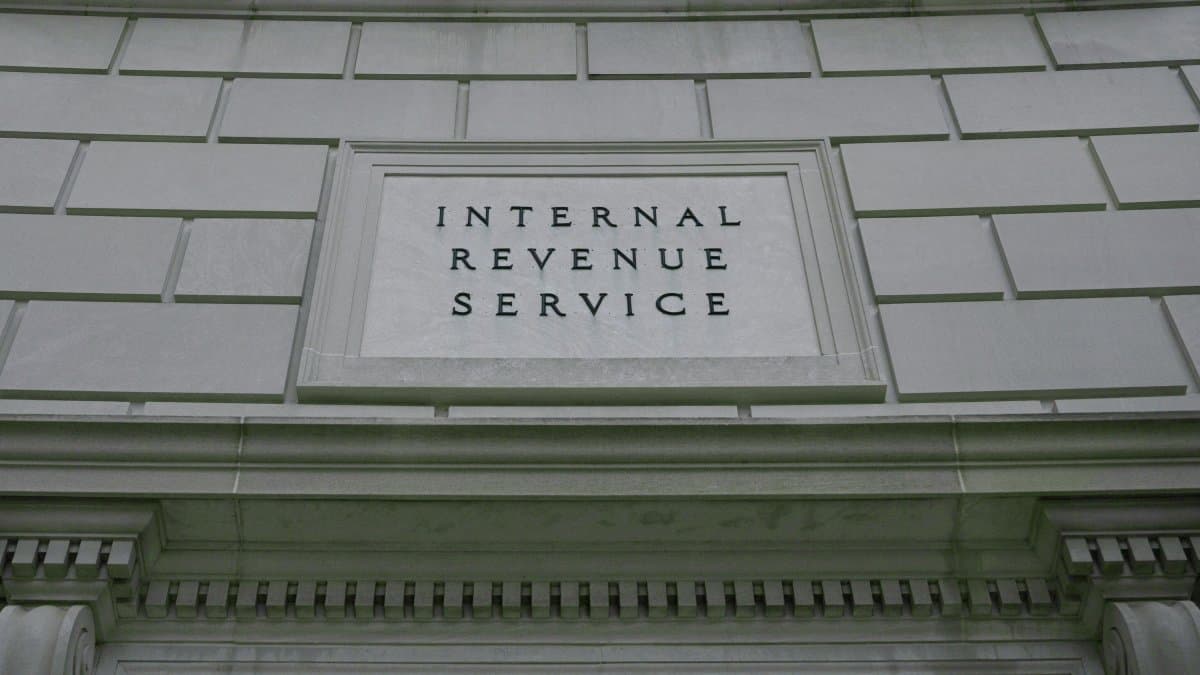

The Treasury Department and the Internal Revenue Service (IRS) released guidance explaining how workers can claim the new tip and overtime pay deductions included in theOne Big Beautiful Bill for the 2025 tax year. The document details the process for declaring them correctly and provides examples showing how the new rules apply in different cases.
How the overtime provision works
This provision allows workers to deduct the portion of the additional pay they receive for working more than 40 hours per week, i.e., the amount that exceeds theirregular salary. In practice, this usually equals approximately half of the extra pay included in the "time-and-a-half" calculation as reported on W-2s, 1099s or other tax documents.
Limits and phase-outs.
Deductions have specific caps. For qualified tips, workers will be able to deduct up to $25,000 between 2025 and 2028. For qualified overtime, the maximum deduction will be $12,500 for single taxpayers or $25,000 for joint filers, within the same period. Both deductions phase out when modified adjusted adjusted gross income exceeds $150,000 for single taxpayers or $300,000 for joint filers.

Politics
Treasury Dept. releases list of jobs eligible for Trump's 'no tax on tips' law
Williams Perdomo
Updated forms and instructions
As part of the implementation of the new law, the IRS indicated that it is updating the income tax forms and instructions to be used in the upcoming tax season. The goal is to make it easier for taxpayers to adopt the new deductions. However, the agency clarified that W-2 and 1099 forms will not include specific categories for tips or overtime in 2025, so those who qualify will need to identify and report those amounts separately.

Relationship to the Fair Labor Standards Act.
The article also recalls the applicable labor framework: the fair Labor Standards Act (FLSA) requires that most employees be paid at least the federal minimum wage for all hours worked and that hours worked in excess of 40 per week be paid at least 1.5 times the regular wage.
Season start date and next steps.
🛠 Do you think there is an error in this article?
Recommendations









LATEST