Is the end of the Castro regime in Cuba imminent? The editor-in-chief of Diario Las Américas tells Voz News that Raúl Castro's death could trigger the end of the dictatorship
The former Cuban leader suffered a stroke and remains on life support.
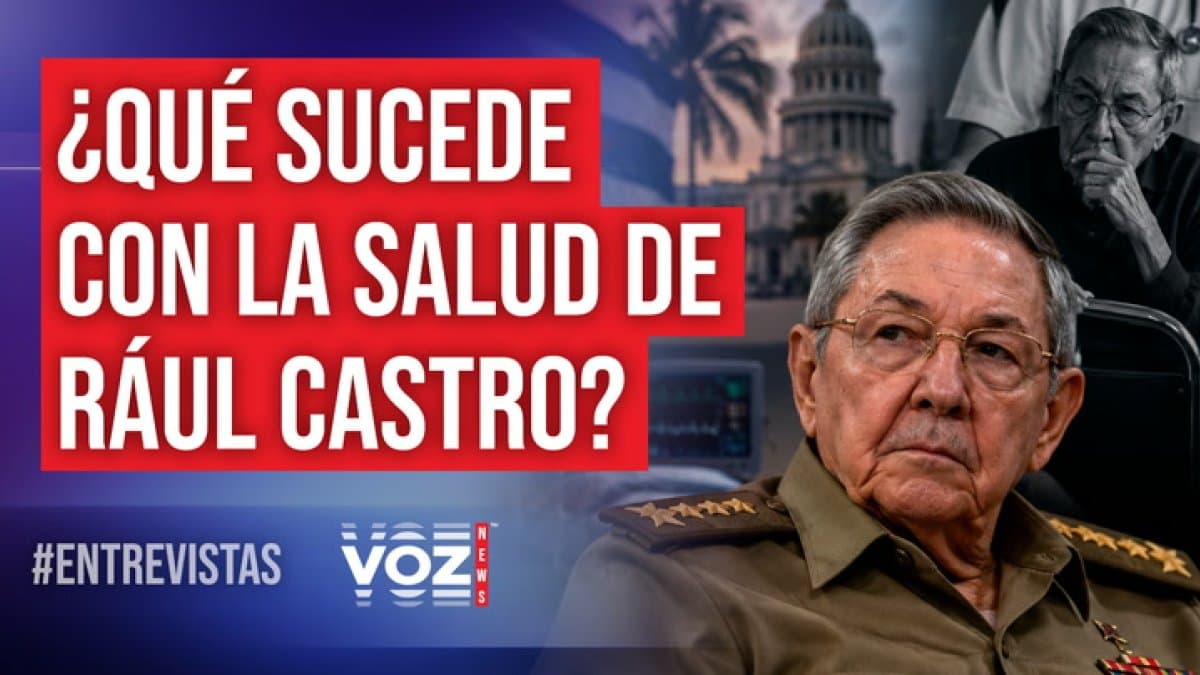
The editor-in-chief of Diario Las Américas, Iliana Lavastida, stated this Friday on Voz News that former Cuban dictator Raúl Castro remains in critical condition and that any confirmation of his death could trigger a split within the Armed Forces of Cuba that would bring an end to the communist regime. During an interview with the news program's executive director and anchor, Karina Yapor, Lavastida said the outlet received information from a source close to Castro's inner circle about his delicate health. According to her, the former Cuban leader suffered a stroke and remains on life support.
"At noon today, around 12:10 p.m., we were receiving confirmation from Cuba via the source who had given us the exclusive report that Raúl Castro remains in critical condition," Lavastida, who also asserted that some of the contradictory reports circulating in recent days could be part of an attempt by the regime itself to divert attention from his true state of health, said.
Politics
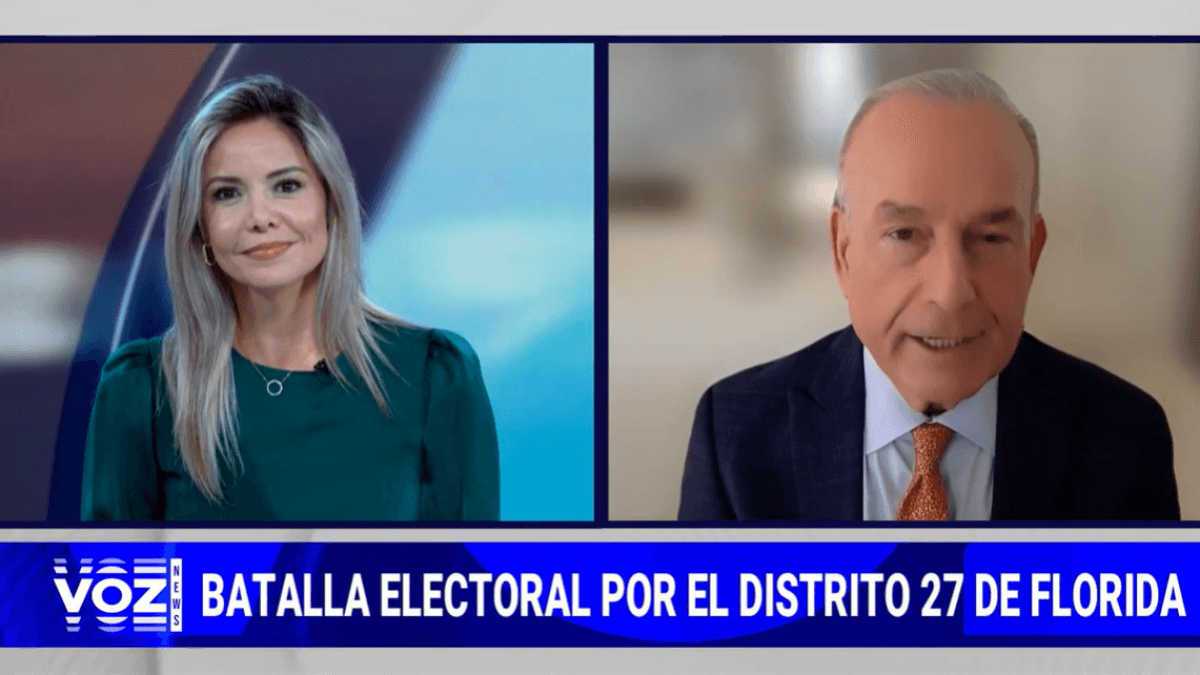
Cost of living, immigration and Cuba: Elliot Rodríguez debates with Voz News anchor Karina Yapor
Emmanuel Alejandro Rondón
The journalist maintained that Raúl Castro's eventual passing could have significant consequences for the island's political future, given the military's role in controlling power. Although Miguel Díaz-Canel has formally held the presidency since 2018, Lavastida believes his authority is limited. "All of us who follow the news and the reality of Cuba closely know that Díaz-Canel is nothing more than a figurehead in that government," she stated.
According to Lavastida, effective power has remained in the hands of the Cuban military linked to Raúl Castro and his inner circle. In this context, she raised the possibility that the former dictator's eventual death could trigger a shift within the Armed Forces themselves. "It could happen—a possible scenario involving an internal split within the Armed Forces themselves, the Cuban repressive forces," she explained.
The editor-in-chief of Diario Las Américas added that, once Castro's death is confirmed, some sectors of the military might conclude that there is no longer a reason to prop up the regime and decide to support the people. "When the news breaks, when his death is reported—once it happens—they will realize there isn't much more to be done for that regime and choose to side with the people to put an end to the totalitarian regime that reigns in Cuba," she said.
Lavastida also praised the recent measures taken by President Donald Trump's administration against the Cuban regime, though she cautioned that no single action will be sufficient on its own to bring about its downfall. "Definitely, no measure taken against this regime is sufficient," she stated.
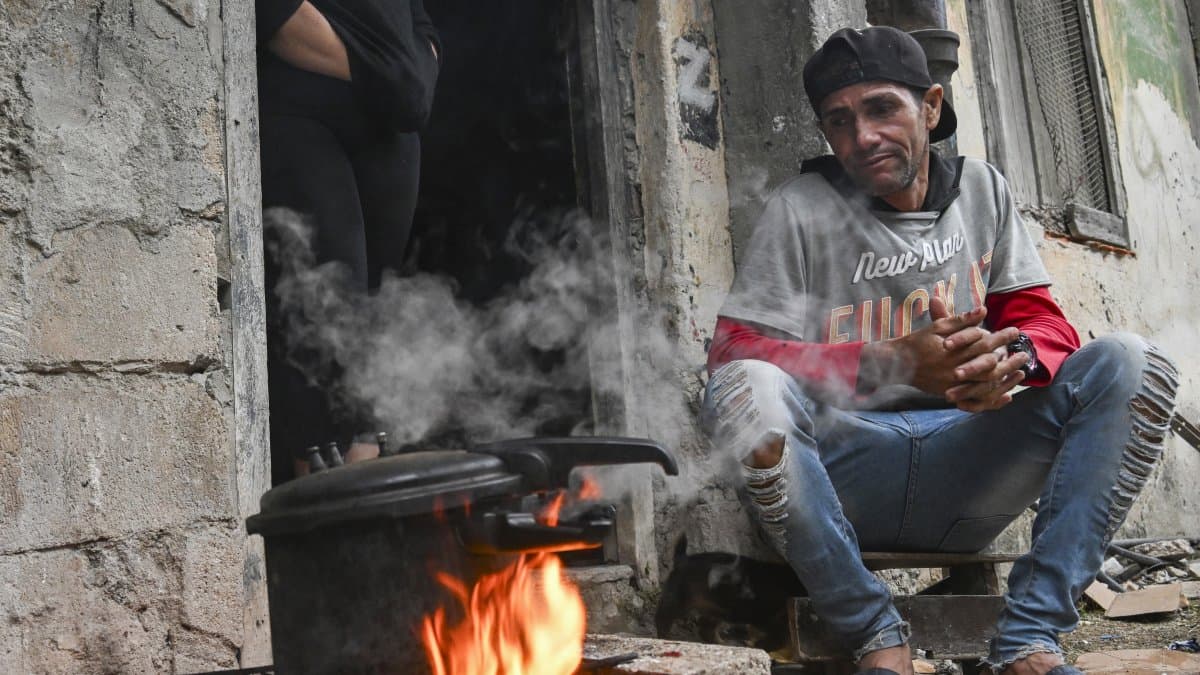
Finally, the editor-in-chief of Diario Las Américas highlighted the hardships faced by the Cuban population, which, she explained, endures prolonged power outages and drinking-water shortages, while the military maintains control over strategic sectors of the economy. "Any measure the United States adopts is effective in helping to weaken that dictatorship," Lavastida concluded.
You can watch the full interview by clicking on the video below.
🛠 Do you think there is an error in this article?
Recommendations
LATEST