Hawaii braces for possible impact from Hurricane Lowell
The storm was passing south of the island chain on Friday but is set to swing north over the long U.S. Labor Day weekend, possibly putting Kauai and Niihau islands near its center, according to the latest forecast from the National Hurricane Center (NHC).
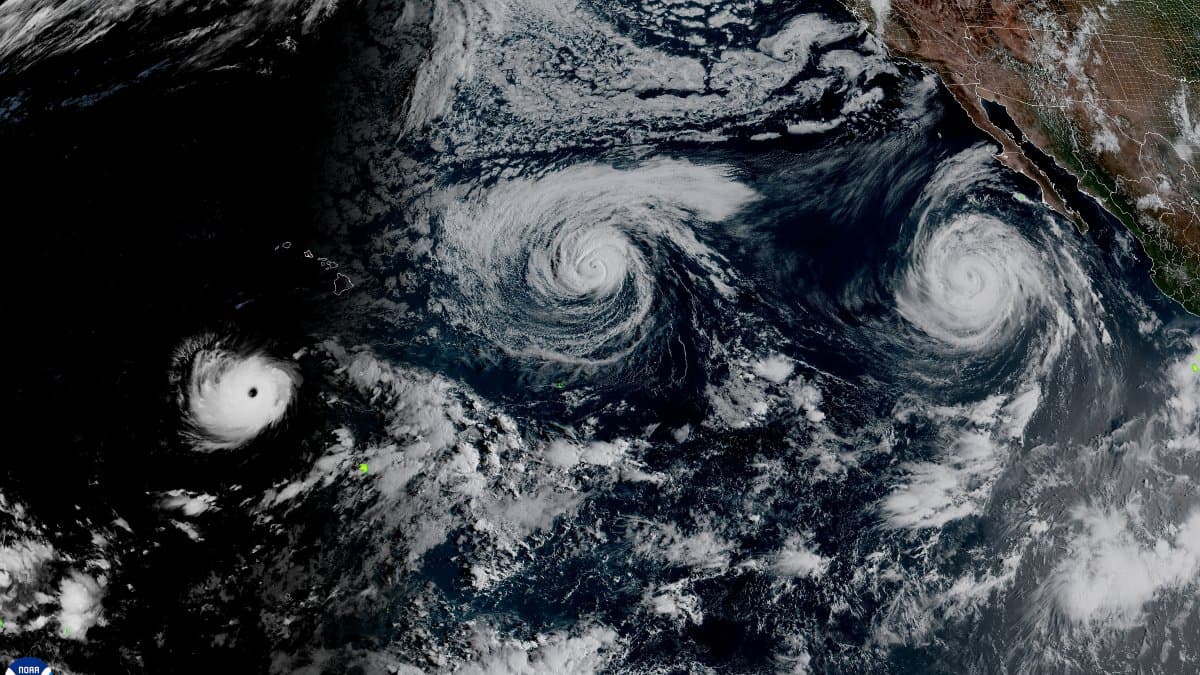

Hawaii is preparing for impact from Hurricane Lowell, which could brush by the state's westernmost islands from Monday evening, even as its exact path remains unclear.
The storm was passing south of the island chain on Friday but is set to swing north over the long U.S. Labor Day weekend, possibly putting Kauai and Niihau islands near its center, according to the latest forecast from the National Hurricane Center (NHC).
"Regardless of the hurricane's exact track and intensity, there is a risk of storm surge, wind, and rainfall impacts for portions of Hawaii, particularly Kauai County, early next week," the NHC said. The county includes both islands.
Lowell briefly reached Category 5 strength earlier this week, but has since weakened to a Category 3, carrying maximum sustained winds of 125 mph -- though it could strengthen again.
"We have to be prepared," said Governor Josh Green, who declared a statewide emergency to allow counties to access funds and respond more quickly.
"We want everyone to have 14 days of supplies, we want you to have water in storage," he said on social media.
The state government was sending high-water vehicles and national guard troops in case they are required to provide assistance.
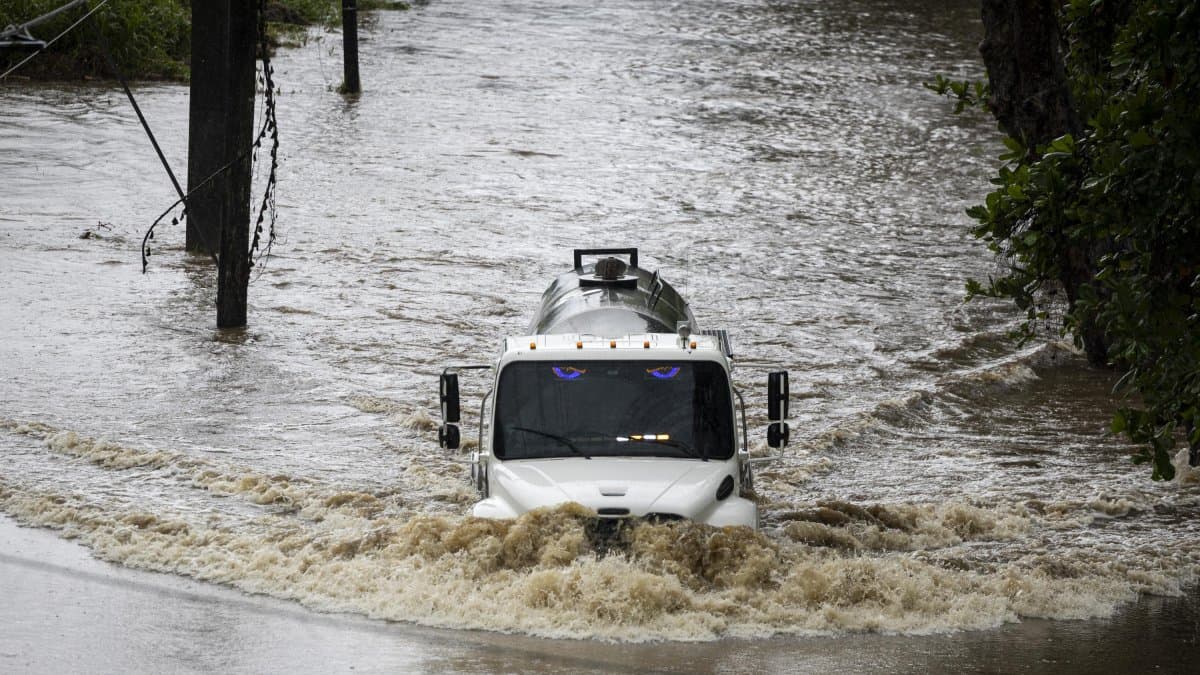
Lowell is one of three hurricanes in the Pacific Ocean right now, where a near-record strength El Niño climate episode warms the waters.
Karina, around 1,000 miles east of Hawaii, was weakening in the Central Pacific and expected to dissipate next week. Marie, several hundred miles southwest off the southern tip of Baja California, was moving northwest away from land.
Hawaii is still recovering from the impacts of Hurricane Lala, which grazed the southern part of the Big Island last month, bringing destructive winds and severe flash floods.
El Niño is the warming phase of a natural cycle in the tropical Pacific known as the El Niño-Southern Oscillation (ENSO). It comes along every two to seven years.
ENSO promotes hurricane formation in the tropical Pacific while decreasing their likelihood in the Atlantic.
Climate change increases El Niño's global weather impacts. A warmer atmosphere holds more moisture, so El Nino-linked rains can turn more extreme. It also dries out soils, deepening drought where El Niño brings it.
🛠 Do you think there is an error in this article?
Recommendations


LATEST