Cheaper drugs, cheaper beef, cheaper gas. Trump lines up fall affordability before Labor Day
The lower prices puts Republicans in a better position to motivate voters going into the midterm elections in November.
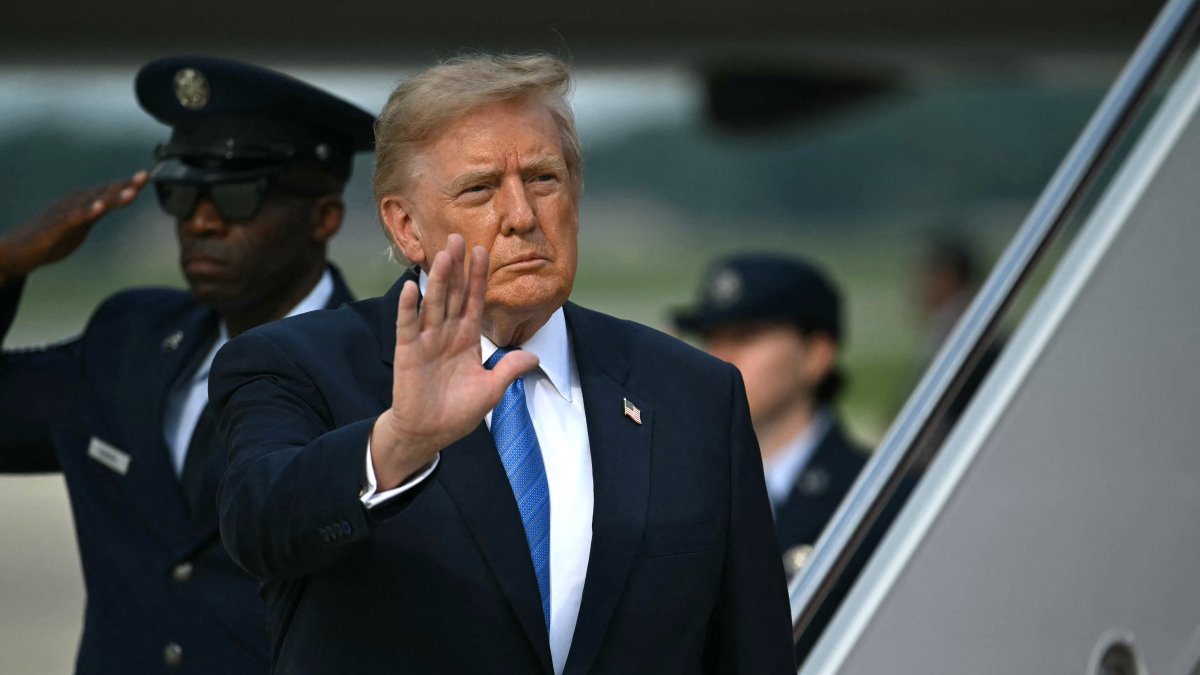
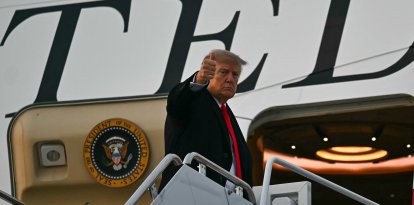
El presidente Donald Trump saluda tras bajar del Air Force One

Alittle over two months out from November's midterm elections, Americans are enjoying lower prices to stay healthy, eat and travel.
"TrumpRx.gov is what came out of all the most favored nation drug pricing negotiations, and 80% of the drugs you pick up at a drugstore, they're right there on TrumpRx.gov... These are huge opportunities for us to get the American people empowered. And no longer will one in three people walk out of the pharmacy empty-handed because they couldn't afford the medication," Dr. Mehmet Oz, Administrator for the Centers for Medicare and Medicaid, told Just The News.
On Monday, President Donald Trump announced a new round of voluntary Most Favored Nation (MFN) drug-pricing agreements as part of efforts to improve healthcare affordability, with a focus on lowering prescription drug costs, especially for Medicaid and cash-paying patients via TrumpRx.
The efforts build on the administration’s existing MFN framework and TrumpRx platform. Under MFN, participating manufacturers agree to offer U.S. prices aligned with the lowest prices charged in other high-income countries such as Canada, European nations, Japan and others.
This latest batch is expected to involve companies such as Bayer, Takeda, CSL, and several mid-size biotech companies. The agreements typically include lower prices for federal/state programs and direct patient access (often via TrumpRx), sometimes in exchange for tariff relief or exemptions from other pricing mandates.
Prior deals covered 17 major drugmakers (representing a large share of the branded market), which the White House has credited with contributing to the steepest annual drop in U.S. prescription drug prices in over 60 years (roughly 3.1% year-over-year) and hundreds of millions in savings via TrumpRx, including big cuts on popular drugs like GLP-1s.
Gas prices take a refreshing dip
Pain at the pump is another crucial issue for the Trump administration as the midterms approach. Gas is a frequent reminder of the economy's impact and with gas prices hitting a peak this summer, they are finally starting to fall.
Gas prices edged lower over the past weekend, offering drivers a bit of relief after weeks of elevated costs.
The national average for regular gasoline dipped about 3 cents over the last week to roughly $4.01–$4.08 per gallon, according to recent data from GasBuddy and AAA.
Although prices remain elevated because of ongoing disruptions tied to the Iran conflict and related pressures on global oil supplies through the Strait of Hormuz—which have kept crude markets volatile and pushed pump prices well above pre-conflict levels—they are still well below the peaks seen under Joe Biden, when the national average briefly surpassed $5 per gallon in 2022.
Eat more beef...for less
Trump recently took two actions addressing high US beef prices, a hot commodity during summer cookouts and heading into fall tailgates and barbecues. On August 21, the 47th president signed a proclamation temporarily expanding the in-quota quantity of lean beef trimmings eligible for lower tariffs by 300,000 metric tons over 90 days starting September 1. This targets ground beef production and encourages sales at a 25% discount to boost supply and ease consumer costs amid low domestic cattle herds.
Days later and following rancher backlash over the imports, Trump announced that he is authorizing measures to allow farmers and ranchers to process their own meat. The move is in the wheelhouse of Trump administration deregulation, to reduce reliance on the dominant large processors (often called a monopoly) and ease related regulations. Agriculture Secretary Brooke Rollins indicated follow-up initiatives, including waiving red tape and supporting smaller processors.
LATEST