Report from Washington accuses Cuban regime of running global network of influence, espionage and subversion
The document maintains that for nearly seven decades, Havana has pursued a strategy to expand its political influence through intelligence, propaganda, support for revolutionary movements, and alliances with regimes and organizations hostile to the United States.
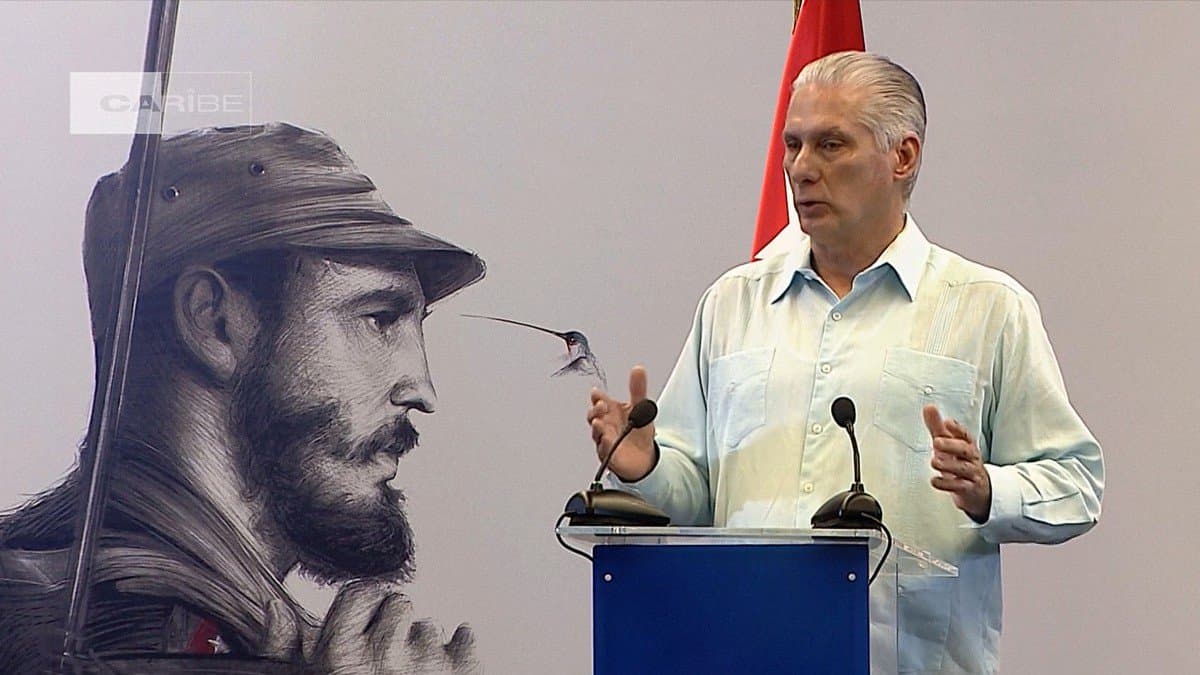

The State Department released on Monday an extensive report that portrays the Cuban regime as the main architect of an international network of political influence, espionage and subversion which, according to Washington, has operated for nearly seven decades with the aim of weakening the United States' position and promoting a revolutionary project with global reach.
Titled "Cuba: The Capital of 21st Century Communism," the document rejects the idea that Havana acted solely as a satellite of the Soviet Union during the Cold War. Instead, it argues that Havana developed its own strategy based on intelligence, propaganda, political infiltration, training of insurgent movements and the building of international networks of ideological support.
"For nearly seven decades," the report states, the Cuban regime has maintained "a sustained campaign of subversion against the United States," refining a model of "long war" based on espionage, infiltration, sabotage and networks of political influence.
From exporting the revolution to networks of influence
According to the State Department, the Cuban strategy evolved from direct support for Latin American and African guerrilla groups toward a much more sophisticated international infrastructure, based on political organizations, academic centers, solidarity networks and international activism.
The report maintains that Havana trained and funded revolutionary movements in Latin America, provided logistical support to insurgent organizations, and developed a permanent structure to project political influence long after the collapse of the Soviet Union.
The authors consider the turning point to be the 1966 Tricontinental Conference, held in Havana, where representatives of revolutionary movements from Asia, Africa and Latin America established permanent mechanisms for political and ideological coordination under the auspices of the Cuban regime.
Politics
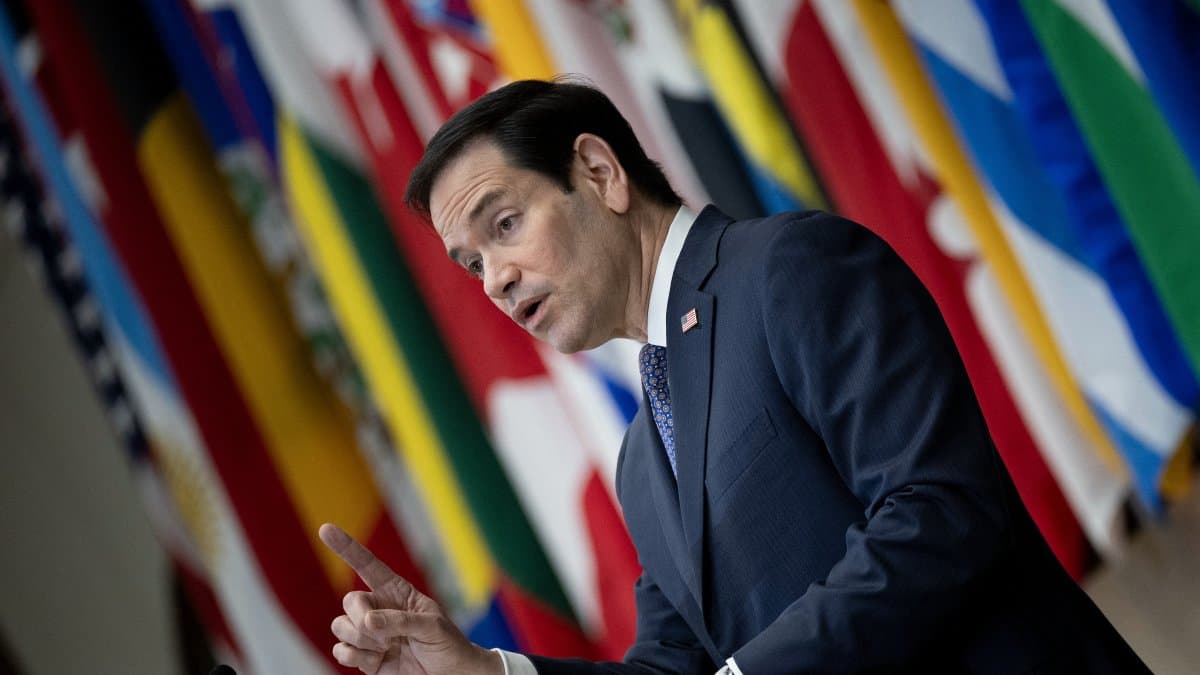
Marco Rubio accuses the Cuban Regime of helping shape the far left in the US and the West
Diane Hernández
Influence within the United States
One of the most extensive sections of the report is devoted to influence operations within the United States.
The State Department maintains that, since the early 1960s, Cuban intelligence identified U.S. social movements as a strategic arena for expanding the revolution. Among the earliest tools mentioned is the Fair Play for Cuba Committee, an organization that, according to the document, promoted pro-regime propaganda, organized trips to the island and built a network of supporters in various U.S. cities.
The report also states that Havana sought to strengthen ties with leaders of the civil rights movement and African American organizations. As an example, it mentions Robert F. Williams, who broadcast the program "Radio Free Dixie" from Cuba, and argues that Cuban intelligence attempted to exploit racial tensions within the United States as part of its strategy to exert influence.
CodePink, DSA and new organizations
Unlike previous reports focused exclusively on the Cold War, this document includes contemporary political organizations.
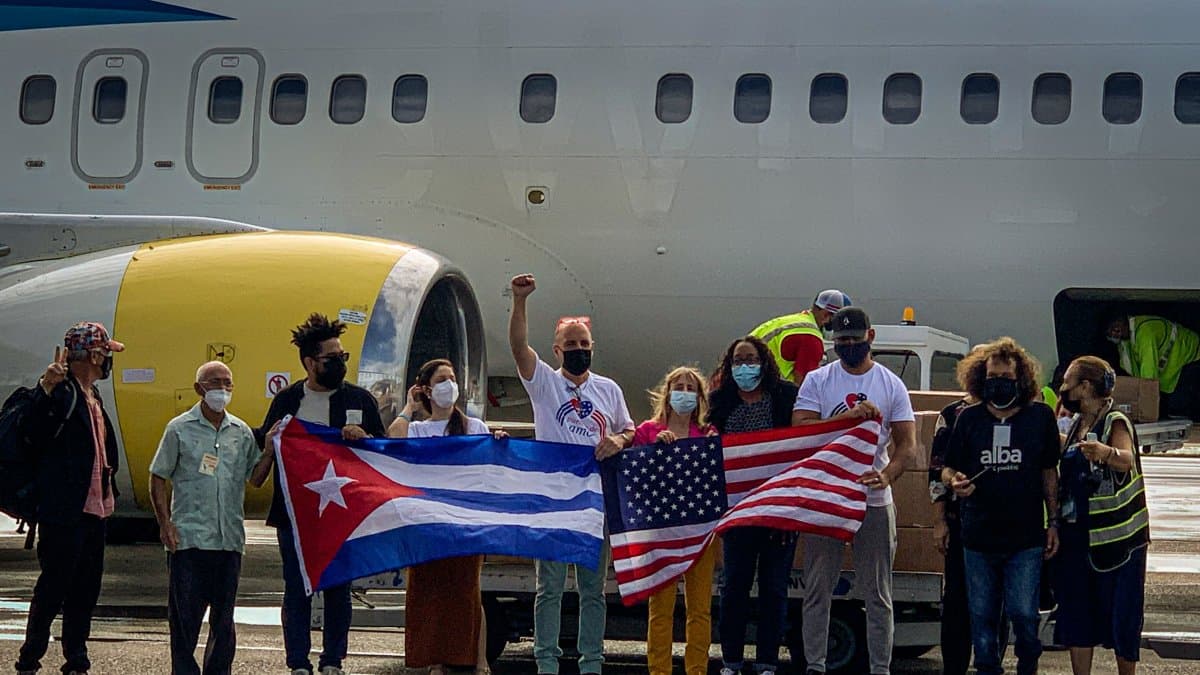
The State Department identifies CodePink, the Democratic Socialists of America (DSA), the National Lawyers Guild, The People's Forum and other U.S. groups as part of a network of organizations that, according to the report's authors, maintain political or ideological ties to solidarity structures promoted by Havana.
Regarding CodePink, the report states that the organization has for years supported the Cuban regime, promoted campaigns to lift U.S. sanctions, and maintained close ties with the Cuban Institute of Friendship with the Peoples (ICAP), which was recently sanctioned by the administration. It also claims that the organization strengthened its ties with networks linked to businessman Neville Roy Singham and subsequently expanded its public defense of China and other governments at odds with Washington.
The document also analyzes the evolution of The People's Forum, the Venceremos Brigade, the Black Alliance for Peace and organizations linked to the Black Lives Matter movement, which, according to the report, share spaces for political cooperation with international networks promoted by Cuba.
Alliance with Iran
Another of the most striking chapters examines the relationship between Havana and Tehran.
The report maintains that both governments have developed a strategic alliance over decades that encompasses cooperation in diplomacy, intelligence, telecommunications, technology, trade and security.
According to the State Department, Cuba not only maintains close relations with Iran but has also helped facilitate the regional expansion of organizations backed by the Islamic Republic. The document specifically mentions the Islamic Revolutionary Guard Corps (IRGC), Hezbollah, Hamas and the Popular Front for the Liberation of Palestine (PFLP) as part of the network of actors with whom Havana has developed political ties.
The report further maintains that Cuba's influence over the Venezuelan state apparatus favored the regional presence of Iran and the Quds Force, and asserts that thousands of members or sympathizers of Tehran-backed organizations subsequently moved through Venezuela, Bolivia and Nicaragua. It also asserts that Cuba acquired Iranian military technology, including drones, and received advice on asymmetric warfare.
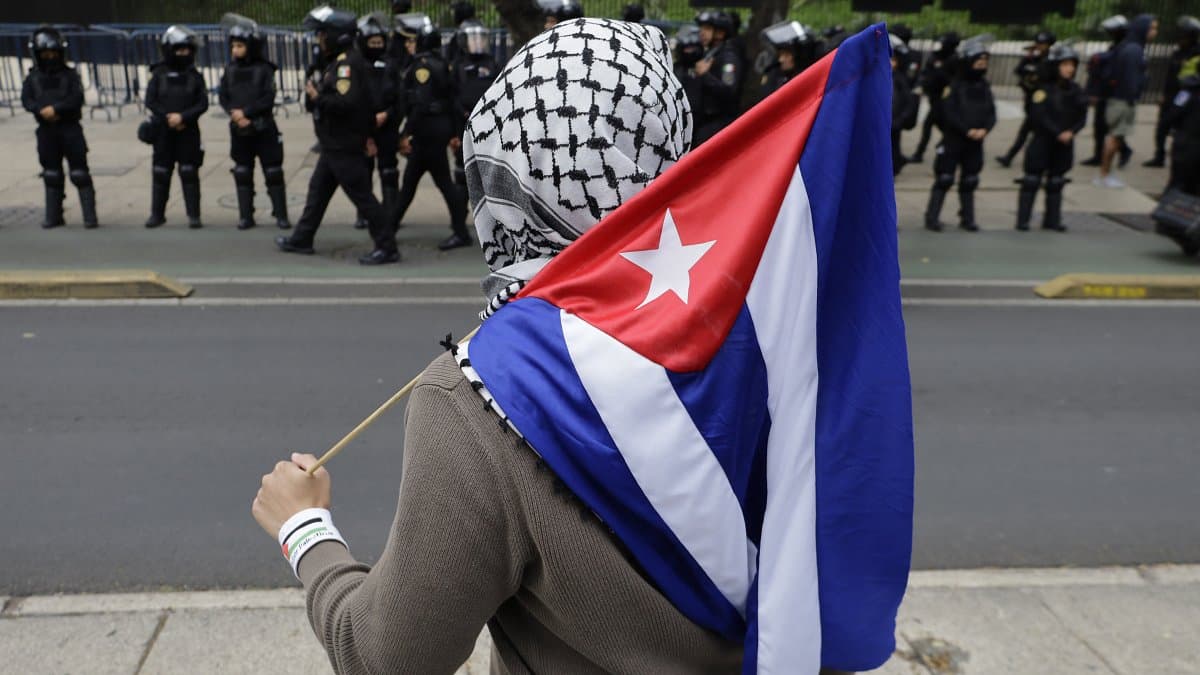
In one of the most controversial passages, the report asserts that the international networks promoted by the Cuban regime ultimately converged with the so-called "Axis of Resistance" spearheaded by Iran. As an example, it cites an invitation issued by ICAP in 2022 to establish cooperation mechanisms with Al-Tajammu, a coalition made up of organizations close to Tehran.
Shift in U.S. strategy
Far from presenting the Castro regime solely as an insular authoritarian regime, the State Department describes it as the center of an international infrastructure of political influence that remains active and which, according to Washington, connects left-wing organizations, solidarity networks, governments hostile to the United States and actors linked to the so-called "Axis of Resistance."
The document combines declassified CIA memos, intelligence reports, National Security Council documents, academic research and journalistic publications to support this interpretation, although many of its conclusions will predictably be the subject of debate among specialists in foreign policy, intelligence and Latin American studies.
🛠 Do you think there is an error in this article?
Recommendations

LATEST