






“A Whole-of-Government Strategy”: Trump Administration Moves to Confront the Cuban Regime’s Decades-Long Intelligence and Subversion Operations
A new State Department report reveals the scope of Cuba’s decades-long intelligence and subversion operations in the United States, as the Trump administration launches a first-of-its-kind whole-of-government strategy to confront these networks.

The State Department released Monday the report “Cuba: The Capital of 21st Century Communism,” detailing decades of efforts by the Cuban regime to export ideology, conduct intelligence operations, and carry out subversion efforts against the United States. A State Department official told this outlet that the report seeks to inform the American people about the threat posed by the Cuban regime’s activities, as the Trump administration launches “a comprehensive, whole-of-government strategy” to confront and dismantle these networks.
Located just 90 miles from the U.S. coastline, the Cuban regime is identified in the report as a strategic hub used by adversaries seeking to influence the United States through what the document identifies as tools of irregular warfare. The report states that, from the 1960s to the present, the Cuban regime has been—particularly in the Western Hemisphere—the world’s leading actor in promoting far-left extremism.
According to the report, the Cuban communist project has long relied on the exportation of Marxist ideology, political violence, subversion, and intelligence capabilities. Havana not only spread revolutionary ideas but also exported training, intelligence networks, and strategies designed to expand its influence and undermine the United States.
The report states that the Cuban regime built a vast international network that trained left-wing guerrillas, supported insurgencies, and backed some of the most notorious left-wing extremist groups during the 1960s, 1970s, and 1980s. It also highlights what it calls an “extraordinary” intelligence operation that allowed Havana to infiltrate the highest levels of the U.S. government and maintain undercover spies for decades. According to the State Department, these networks are not simply a matter of history—they remain active today.
The Cuban regime’s strategy
The report argues that the Cuban regime’s strategy was deliberately designed as a foreign policy tool to weaken the United States, sow internal divisions, and turn Americans against one another. According to State Department officials, this influence is reflected today in sectors of the modern left, protest movements, socialist organizations, and groups such as the Democratic Socialists of America, which the report says maintain connections to networks linked to Cuban regime funding and intelligence operations.
A State Department official argued that the Cuban regime's influence on the modern left has been widely overlooked. “Cuba's role in building the modern left generally, but particularly the American modern left, is one of the great untold stories of the latter half of the 20th century,” the official said. He added that the purpose of the report is to bring together this history for the first time in a single account, drawing from declassified intelligence reports, testimony from Cuban defectors, open-source analysis, and public statements from individuals involved.
A First-of-Its-Kind Whole-of-Government Strategy
The official also highlighted the Trump administration’s actions against the Cuban regime, including sanctions and executive measures, and reiterated that “all options remain on the table” as the administration seeks to dismantle the regime’s intelligence and subversion networks.
The official said one of the key elements of the administration’s approach is a new coordinated strategy:
The Trump administration is adopting a new whole-of-government strategy to confront and dismantle Cuba’s decades-long intelligence and subversion networks, bringing together diplomatic, intelligence, law enforcement, and financial tools across the federal government.
A State Department official said the administration views these networks as a “comprehensive threat” requiring a coordinated response. He argued that previous efforts often focused on individual organizations or specific foreign actors rather than recognizing the broader structure behind them.
“They have never talked about it as the sort of comprehensive network that it is, and which actually reflects the way that it operates,” the official said, adding that the administration is now addressing the issue across all agencies. “The administration across every department, across every agency, is approaching it that way for the first time.”
According to the official, these networks combine foreign intelligence operations, relationships with domestic groups, funding channels, and ties to foreign regimes. Because of this, the administration believes they require a comprehensive response rather than isolated actions against individual components.
“This is a comprehensive, whole-of-government strategy for actually confronting and dismantling these networks,” the official said.
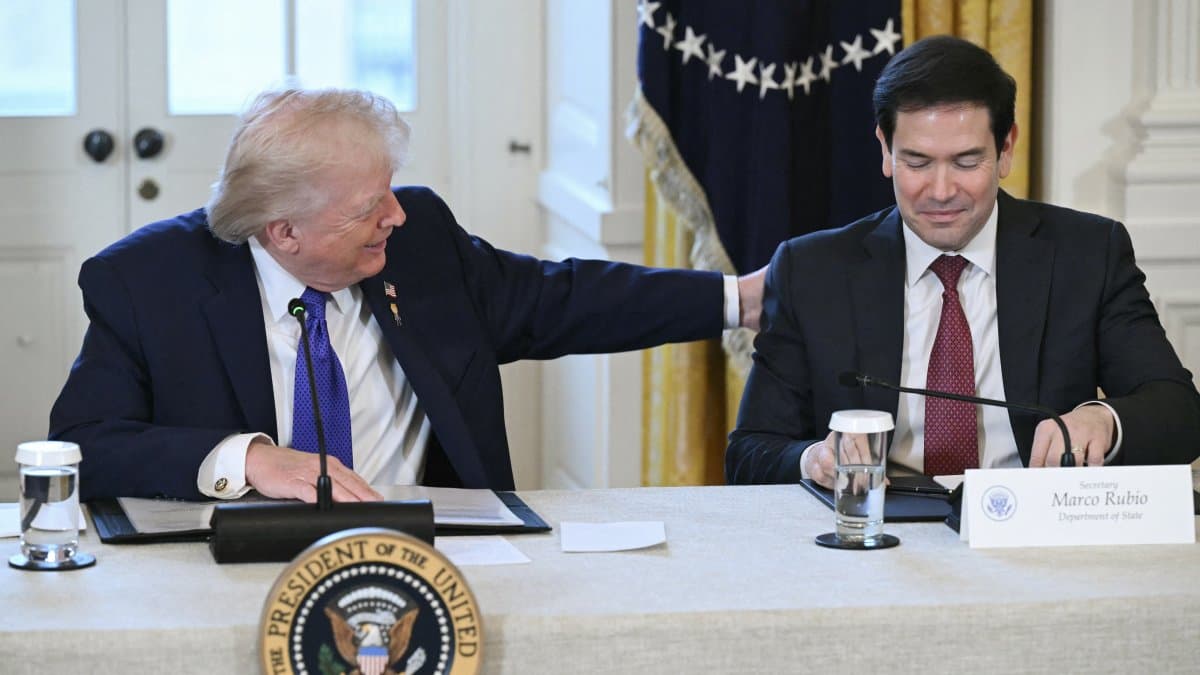
Under the leadership of Secretary of State Marco Rubio, the State Department has adopted a more aggressive and coordinated approach to exposing and dismantling intelligence, subversion, and terrorism networks that have targeted the United States for decades. Rather than treating these threats as isolated incidents, the administration has advanced a whole-of-government strategy to confront actors seeking to undermine U.S. interests, including the Cuban regime.
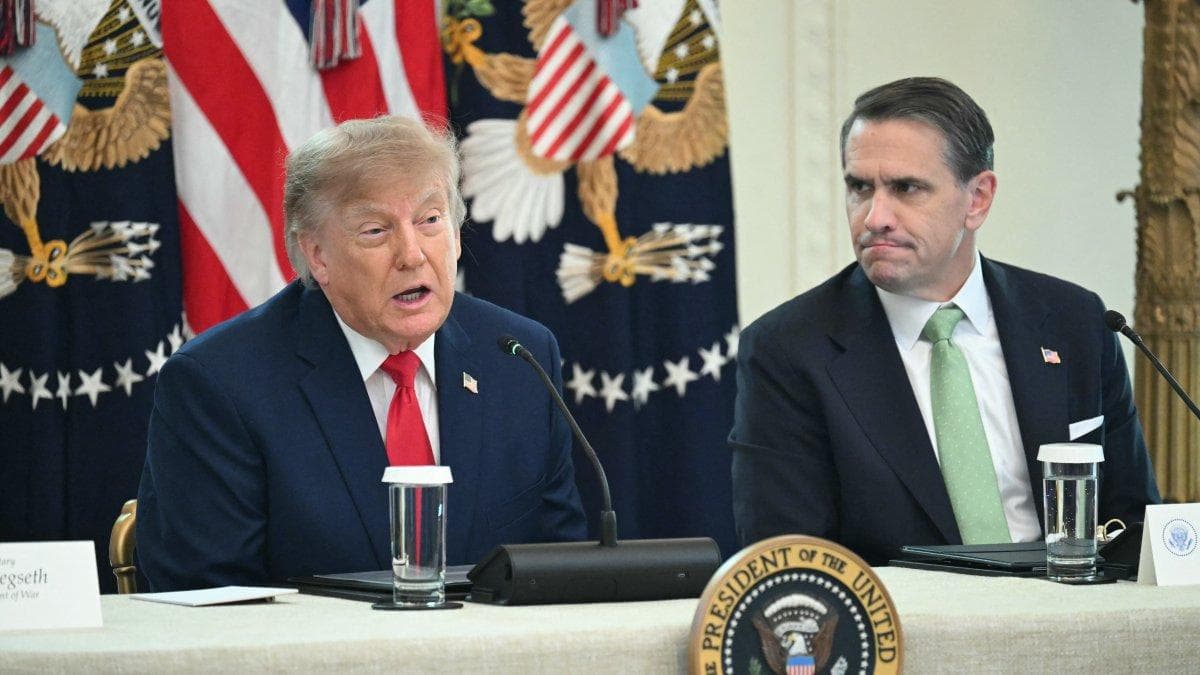
This approach was on display last week during the Ministerial on the Resurgence of Political Terrorism, where officials including Stephen Miller, White House Deputy Chief of Staff for Policy and Homeland Security Advisor, and Treasury Secretary Scott Bessent outlined various components of a broader strategy aimed at using all available government resources to combat networks that threaten U.S. national security.
🛠 Do you think there is an error in this article?
Recommendations

LATEST