ANALYSIS
A network linked to the Cuban dictatorship devised a national plan to mobilize strategic protests in the US
An investigation by ADN Cuba claims that the National Network on Cuba (NNOC) distributed a "rapid response" plan to trigger coordinated demonstrations in the event of a potential military confrontation between the United States and the Cuban regime. The documents include timelines, protest objectives and political organizing materials for dozens of affiliated groups.
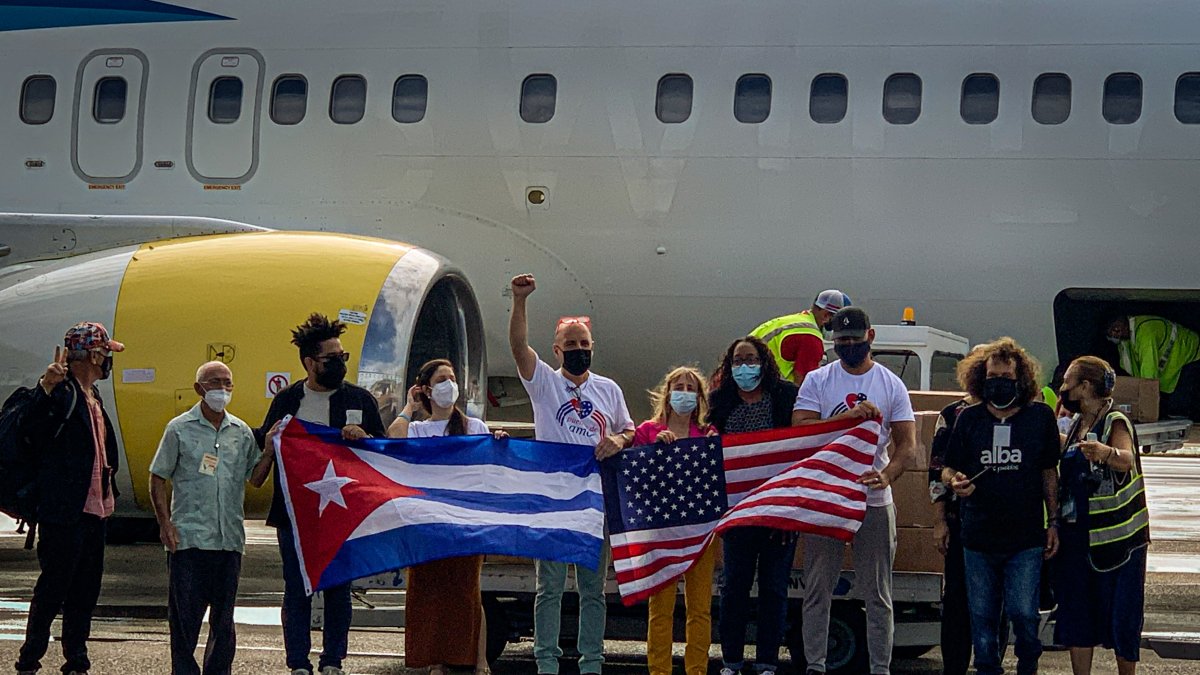
Members of Puentes de Amor, The People's Forum, and CODEPINK arriving in Cuba (File photo)

For decades, the Cuban regime has cultivated relationships with political organizations, solidarity movements and left-wing groups in various countries as part of its strategy for international outreach. Various journalistic investigations and analyses of Havana's influence networks have documented these ties and the mechanisms used to forge alliances outside the island. In recent days, new reports have once again drawn attention to these structures and their capacity for coordination in the United States.
The National Network on Cuba (NNOC) has been circulating an internal document since June 2026 titled "National Rapid Response Plan," designed to coordinate demonstrations in various U.S. cities in the event of U.S. military action against the Cuban regime, according to an investigation published by ADN Cuba.
According to documentation obtained by the outlet and also reviewed by Voz News, the plan calls for the launching of protests within the first 24 hours following a potential conflict and establishes a standardized framework for mobilizing the more than 70 organizations that make up the coalition.
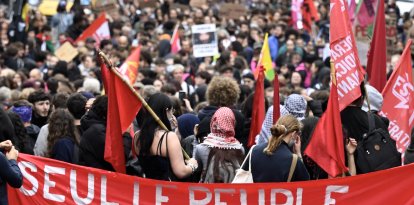
The actions could be directed against three types of facilities: Immigration and Customs Enforcement (ICE) offices and detention centers, U.S. Armed Forces military bases and recruitment centers, as well as federal government buildings and institutions, the investigation explains.
One of the points highlighted by ADN Cuba is that the document itself marks the inclusion of ICE offices as priority protest sites. According to the cited plan, this would allow for linking solidarity with Cuba to campaigns in defense of immigrants and existing anti-ICE movements in various cities across the country.
A plan with a national timeline
The investigation maintains that the so-called National Rapid Response Plan is not limited to a call for protest, but rather establishes an operational protocol to synchronize mobilizations across the United States.
According to the document, if a military action occurs before 3 p.m. ET, demonstrations would begin at 6 p.m. in each location. If the event occurs after 3 p.m. ET, protests would take place the following day, aiming for a simultaneous response across time zones.
The materials also include organizational tools such as "power mapping" guides, sample resolutions for unions and local governments, signature-gathering campaigns, social media resources and political training manuals. They also recommend using a military facility locator developed by the Black Alliance for Peace to identify potential protest sites and suggest staging actions during high-attendance sporting events to increase public visibility.
What is the NNOC?
On July 1, Secretary of State Marco Rubio, described ICAP as the Cuban regime's main "front for influence and intelligence" and warned that individuals or organizations that maintain ties with or conduct transactions with that entity could face sanctions, legal proceedings, or immigration consequences, depending on the circumstances of each case.
According to documents obtained by the media outlet, the NNOC also develops materials for organization, mobilization, and political education to coordinate actions among its affiliated organizations.
The announcement was made publicly
ADN Cuba notes that the content of the plan was publicly mentioned by Onyesonwu Chatoyer, co-president of the NNOC, during a broadcast on June 12, 2026.
According to the investigation, Chatoyer stated that affiliated organizations were prepared to respond immediately if the United States launched a military action against Cuba and asserted that such a decision would have "material and political consequences."
Coinciding with the anniversary of July 11, amid the worst crisis
The report also highlights that the planning coincided with the fifth anniversary of the July 11, 2021 (11J) protests in Cuba.
While human rights organizations continue to report that more than a thousand people remain imprisoned for political reasons related to those demonstrations, several groups affiliated with the NNOC organized activities under the slogan "No War on Cuba," including an event in Berkeley, California, with the announced participation of officials from the Cuban embassy in Washington and the support of the anti-imperialist committee of the East Bay chapter of the Democratic Socialists of America (DSA).
According to figures from the Cuban Human Rights Observatory, during the first half of 2026, there were 1,949 acts of repression on the island, while the country is undergoing the worst crisis in its recent history and millions of Cubans are struggling to survive as best they can, with power outages lasting more than 30 hours and no access to basic services such as water, medicine, and adequate food.
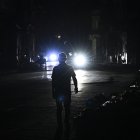
In this context, a poll published by the Miami Herald in April 2026 found broad support among the Cuban and Cuban-American communities in South Florida for a potential U.S. military intervention on the island.
The poll, conducted among 800 residents of Miami-Dade, Broward, Palm Beach and Monroe counties, revealed that 79% supported some form of military action. Of that total, 36% supported an intervention aimed at overthrowing the communist regime, while another 38% favored an operation that would combine regime change with a response to the humanitarian crisis facing Cuba.
The study concludes that the combination of the "National Rapid Response Plan" and the "No War on Cuba Campaign Toolkit" offers a rare glimpse into the NNOC's organizational structure and the mechanisms in place to coordinate communication campaigns, political mobilization and synchronized protests in various U.S. cities in the event of a confrontation between Washington and Havana.
LATEST