Donald Trump Responds Clearly to Mamdani: Netanyahu Will Not Be Arrested in the United States
Trump did not hesitate to back Netanyahu, stating that the Israeli leader is fighting an Iranian regime responsible for the deaths of tens of thousands of protesters and nearly half a century of attacks on U.S. soldiers.
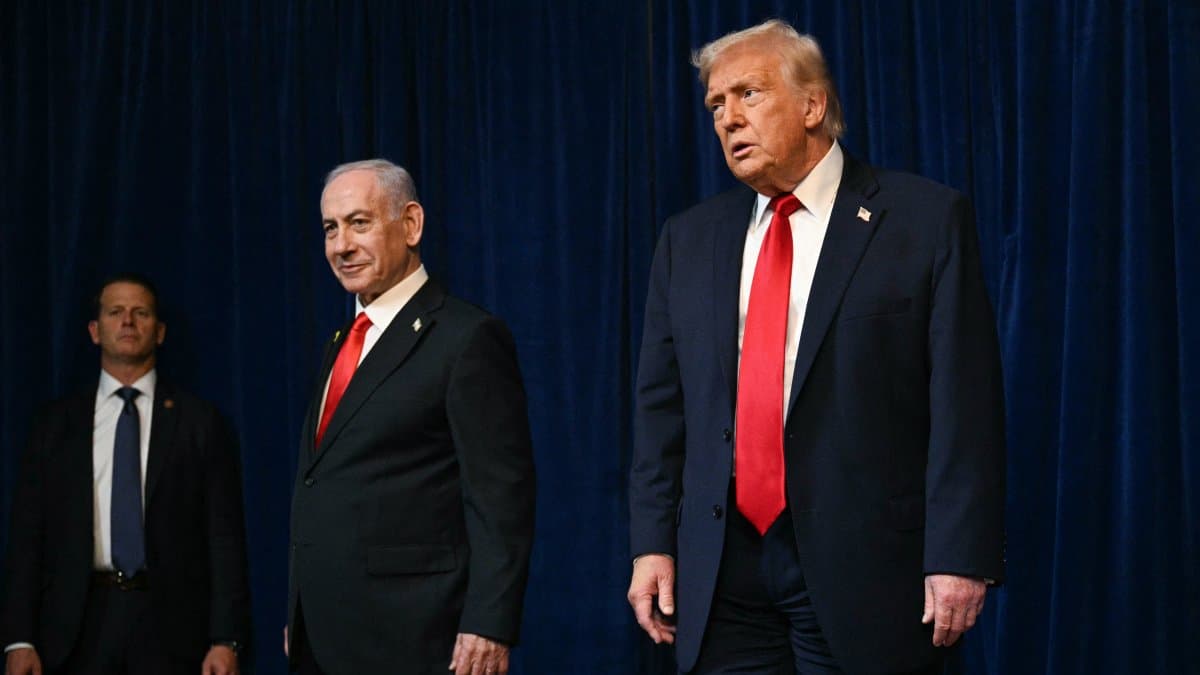

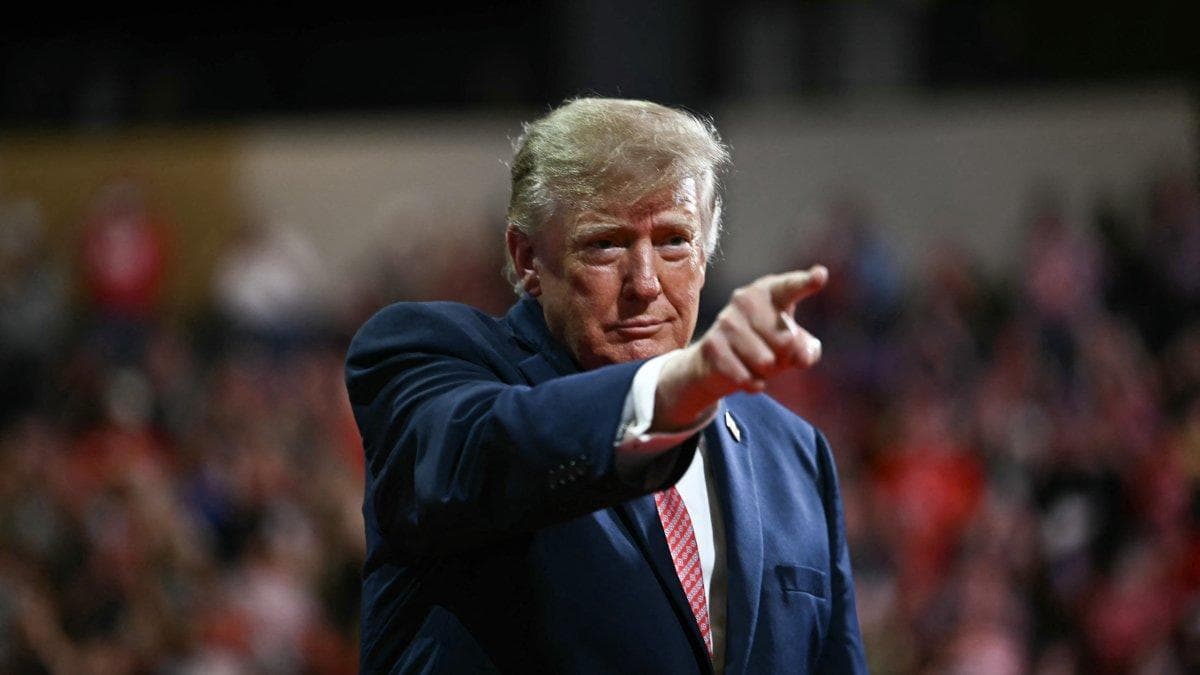
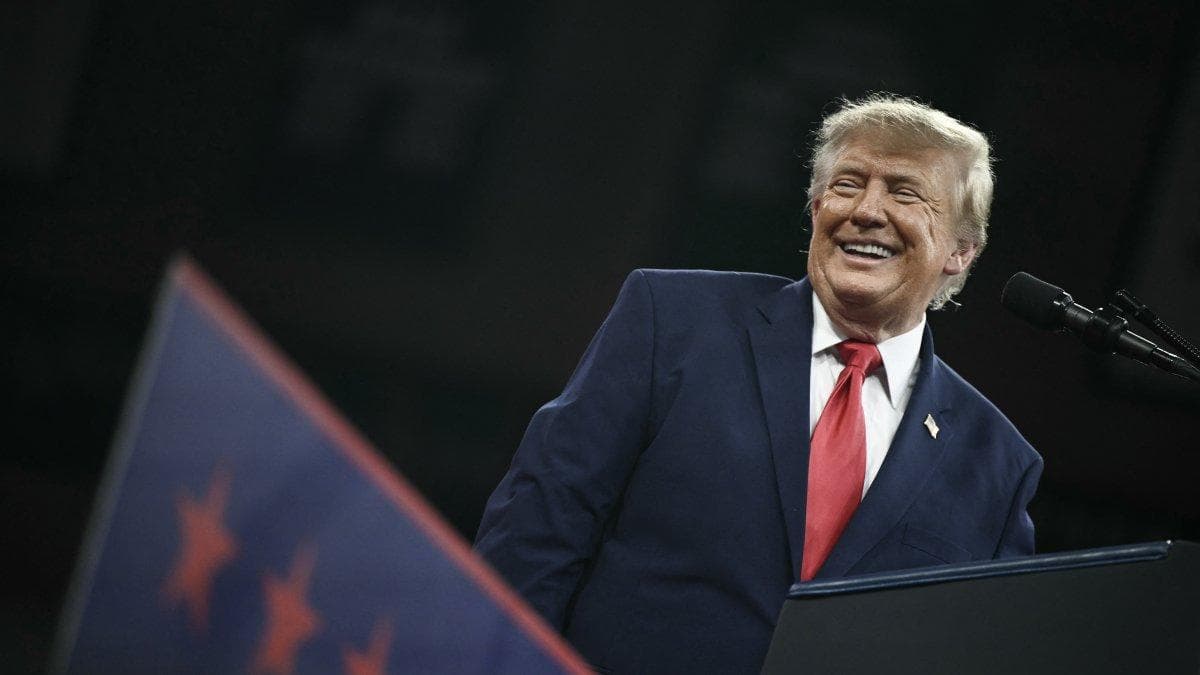
President Donald Trump dispelled any doubts on Monday regarding the Israeli prime minister's future on U.S. soil: Benjamin Netanyahu will not face any kind of detention or arrest when he visits the country for the UN General Assembly, despite the threat issued days ago by the mayor of New York, Zohran Mamdani.
The president took to Truth Social, where he defended the Israeli leader at a time when Netanyahu is facing an arrest warrant from the International Criminal Court (ICC) for, according to the body, alleged war crimes in Gaza. However, Trump did not hesitate to back Netanyahu, stating that the Israeli leader is fighting an Iranian regime responsible for the deaths of tens of thousands of protesters and nearly half a century of attacks on U.S. soldiers.
"Benjamin Netanyahu will not be arrested, in any way, shape, or form, while in the United States of America," Trump wrote. "He is fighting against the Islamic Republic of Iran, which recently killed 52,000 innocent protestors, and has spent the last 47 years killing American Soldiers, and others. The only ones that should be arrested are the people that led Iran into this unprecedented SPIRAL OF DEATH AND DESTRUCTION, something that should have been dealt with years ago, by previous Presidents!"
Just the News
Mamdani says in 'active conversation's with NYC's law department to arrest Netanyahu
Just The News
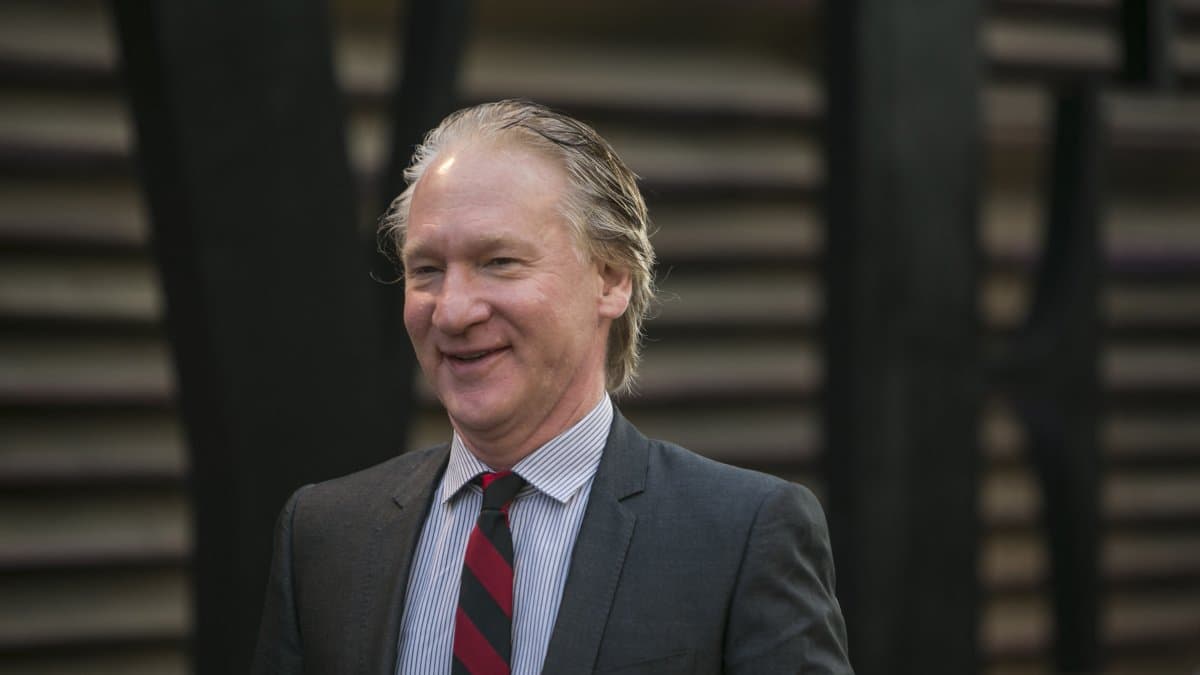
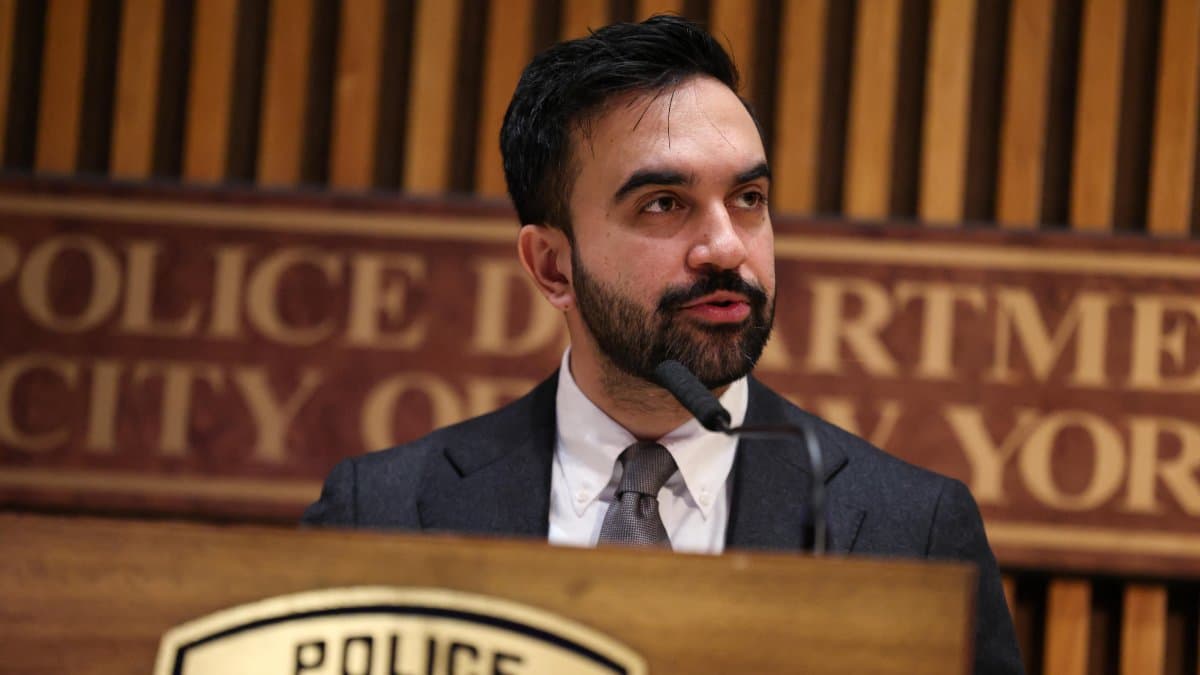
The controversy erupted after Mamdani, a socialist mayor and outspoken critic of the Israeli government and the Trump administration, admitted that his office was examining whether New York had the legal authority to arrest Netanyahu if he set foot in the city—a promise the mayor himself had made during his election campaign. The Israeli prime minister is scheduled to attend the UN General Assembly in September, a venue where diplomatic tensions of this kind frequently arise.
Speaking to U.S. media, Mamdani described Netanyahu as a "war criminal" who, in his view, "belongs in The Hague." The mayor clarified, however, that any decision would respect the city's current legal framework, and took the opportunity to extend this logic to other leaders with outstanding international warrants, explicitly mentioning the Russian president, Vladimir Putin.
Mamdani's offensive did not sit well with Jewish communities in New York or with moderate Democrats. Voices within his own party called it troubling that a mayor would propose using the local police against a foreign head of state for political reasons—a practice they associated more with authoritarian regimes than with a consolidated democracy.
“The idea that an executive would try to direct a police agency under their jurisdiction to arrest their political opponents is very much third-world behavior,” he told The Wall Street Journal David Greenfield, a former Democratic city councilman and executive director of the Met Council, a Jewish nonprofit organization. "It’s not what we do in a democracy.”
From Jerusalem, Netanyahu's office responded to Mamdani, accusing the New York mayor of using the court in The Hague as a smokescreen to cover up management problems in his own mayor's office.
Trump's support also comes at a time when Washington does not recognize the ICC's jurisdiction over U.S. citizens or allies such as Israel. Added to this is a 2002 federal law that expressly prevents local law enforcement agencies, including the New York Police Department, from cooperating with the court's proceedings—a legal obstacle that, according to experts, would leave any attempt at arrest by Mamdani with very little chance of success.
The relationship between Trump and Netanyahu has also not been without friction recently, especially in the context of the war with Iran, where the U.S. president privately showed some frustration with Israel's insistence on intensifying the military offensive. Despite this, Monday's public endorsement left no room for ambiguity.
🛠 Do you think there is an error in this article?
Recommendations
LATEST