US revokes temporary suspension of sanctions on Iranian oil following Tehran's actions in Strait of Hormuz
The decision revokes an exemption announced on June 22, under which Washington had authorized the production, sale, and delivery of Iranian crude oil, petroleum products, and petrochemicals for 60 days.
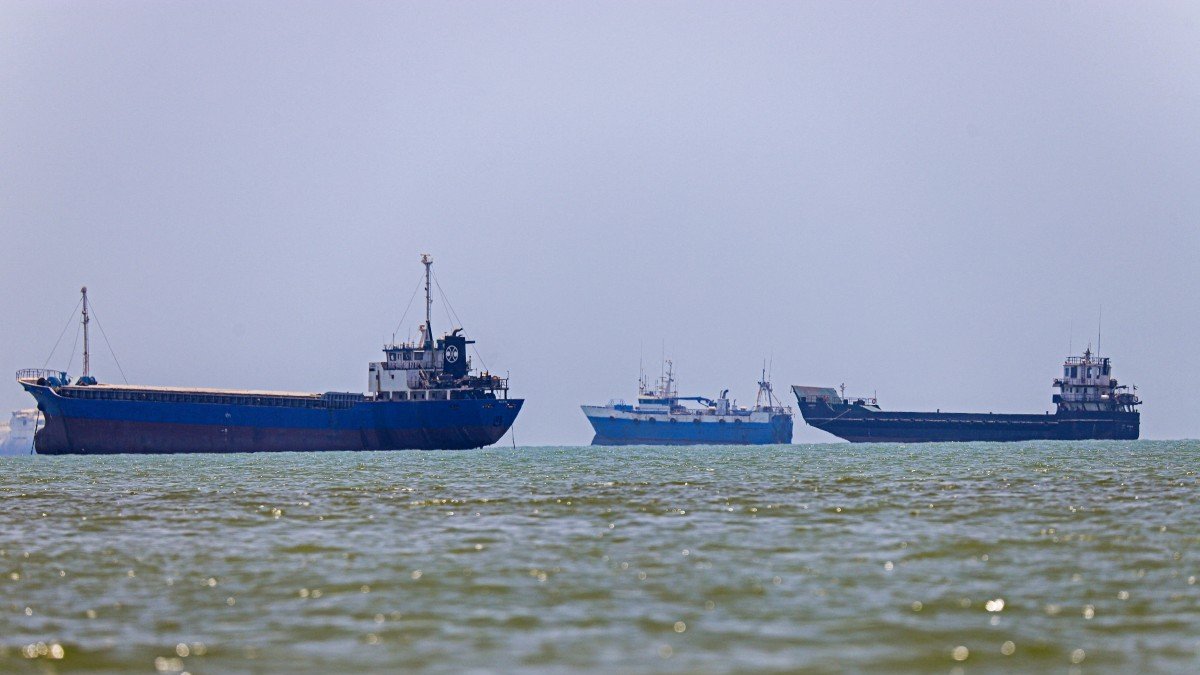
Image of the Strait of Hormuz (File)

On Tuesday, the United States revoked the license that temporarily suspended sanctions on Iranian oil, citing Tehran’s actions in the Strait of Hormuz — one of the main maritime corridors for global crude oil trade — as “totally unacceptable.”
"Iran’s actions in the strait were totally unacceptable to the United States and will have consequences," a U.S. Treasury Department official told AFP.
The decision nullifies an exemption announced on June 22, through which Washington had authorized the production, sale, and delivery of Iranian crude oil, petroleum products, and petrochemicals for 60 days, as part of the negotiations to reach a final agreement between the two countries. That license was valid until August 21.

World
Oil tanker hit by 'unknown projectile' in Strait of Hormuz region: maritime agency
VozMedia Staff
A short-lived temporary understanding reached between Washington and Tehran
The easing of sanctions was part of a temporary understanding reached between Washington and Tehran following the ceasefire that ended the hostilities of recent weeks. At the time, the U.S. administration justified the measure by noting that Iran had committed to guaranteeing free navigation in the Strait of Hormuz and allowing the return of inspectors from the International Atomic Energy Agency (IAEA).
However, the new decision reflects a shift in Washington’s position, which attributes recent actions in the strait that are inconsistent with those commitments to Iran. Although the Treasury Department did not publicly detail the specific events that led to the revocation, the official consulted by AFP insisted that there will be consequences for Tehran.

Politics
The White House has set conditions for a ceasefire and is threatening Tehran with renewed airstrikes if it rebuilds its nuclear program
Andrés Ignacio Henríquez
Concern in international energy markets
The revocation of the license means the reinstatement of restrictions on Iranian oil exports, at a time when talks between the two countries are entering a new phase of uncertainty following the deterioration of the situation in the Gulf.
LATEST