The Pentagon tells lawmakers it needs $80 billion for the war with Iran and other expenses: it warns it will run out of funds this summer
Pentagon officials argue that, without a new war spending bill, the military will have to cut back on training exercises and other priorities, under pressure from the conflict with Iran and the deployment of troops to the southern border.
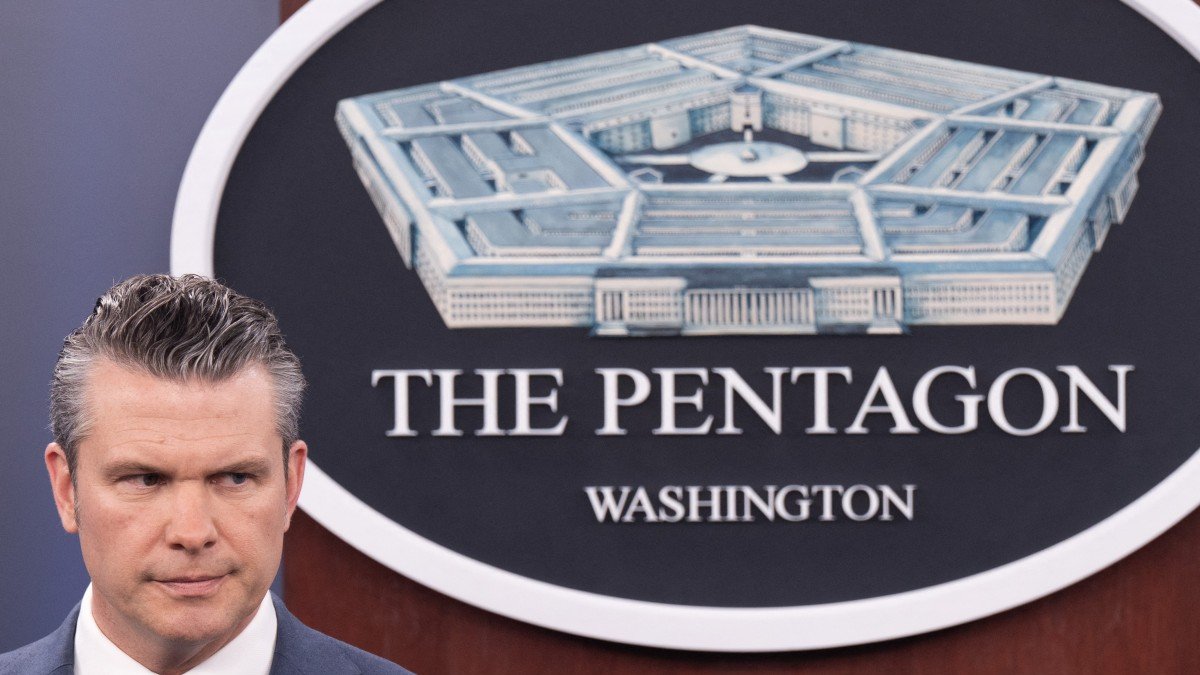
Secretary of War Pete Hegseth, in a file photo

The Pentagon needs $80 billion to cover the costs of the war with Iran and other outstanding bills, and warned that its forces could run out of resources to operate this summer if Congress does not approve new funding.
According to a report by The Wall Street Journal, Deputy Secretary of Defense Stephen Feinberg conveyed that figure to several lawmakers in phone calls this week, according to people familiar with the conversations cited by the newspaper. The amount does not pertain solely to the conflict with Iran, but also covers non-war-related expenses; the cost of the war itself had been estimated by the Pentagon at about $29 billion in mid-May, a figure that is now believed to be higher.
Pentagon officials maintain that, without a new war spending bill, the military will have to cut back on training exercises and other priorities, under pressure from the conflict with Iran and the deployment of troops to the southern border. Added to these expenses, according to the WSJ, is the military operation in Venezuela that culminated in the capture of former dictator Nicolás Maduro and the repeated attacks on drug-smuggling boats in the Caribbean and the eastern Pacific. Secretary of War Pete Hegseth raised the need for additional funding during a meeting this week with Republican senators.

Politics
JD Vance responds to critics on the conservative wing and warns Israel’s cabinet not to isolate its greatest global ally
Andrés Ignacio Henríquez

Politics
Divided over Iran: A New Poll of Americans on Whether to Negotiate with Tehran or Push for Regime Change
Luis Francisco Orozco
The eventual arrival of the request on Capitol Hill would reignite the debate over Trump’s decision to go to war. The White House never asked Congress for authorization for the conflict with Iran—unlike what happened with the first Gulf War or the wars in Iraq and Afghanistan—and Democrats argue that, for this reason, the conflict is illegal. In the Senate, where most measures require 60 votes, the numbers don’t add up for now.
"There are not 60 votes in the Senate for a supplemental. I think that's a pretty true statement that's not going to change anytime soon," said Democratic Senator Chris Murphy of Connecticut, who accused the administration of failing to keep Congress informed.
On the Republican side, Senator John Barrasso of Wyoming, who met with Hegseth, defended the need to restock the Army. “There's been a draw down, as you know, of weaponry. We need to make sure that that's refilled," he said. Any supplemental request—which would add funding for the Pentagon and for non-defense priorities, such as agricultural and disaster aid—would first have to go through the White House Office of Management and Budget before reaching Congress, and could be submitted in the coming days. The Pentagon’s current budget is around one trillion dollars.
LATEST