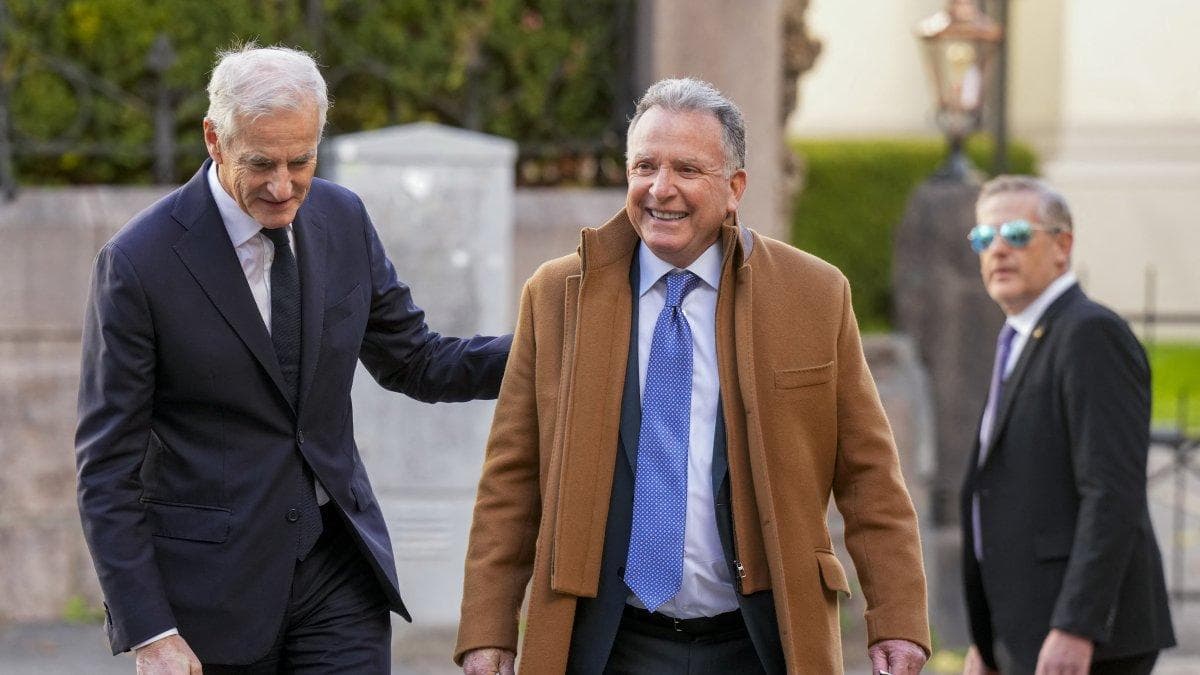
The Treasury Secretary will meet with a Chinese delegation in Stockholm to negotiate an extension of the tariff deadline
Bessent stressed that the discussions in Stockholm will seek not only to extend the term of the agreement, but also to address additional issues, such as China's purchase of Iranian and Russian oil.
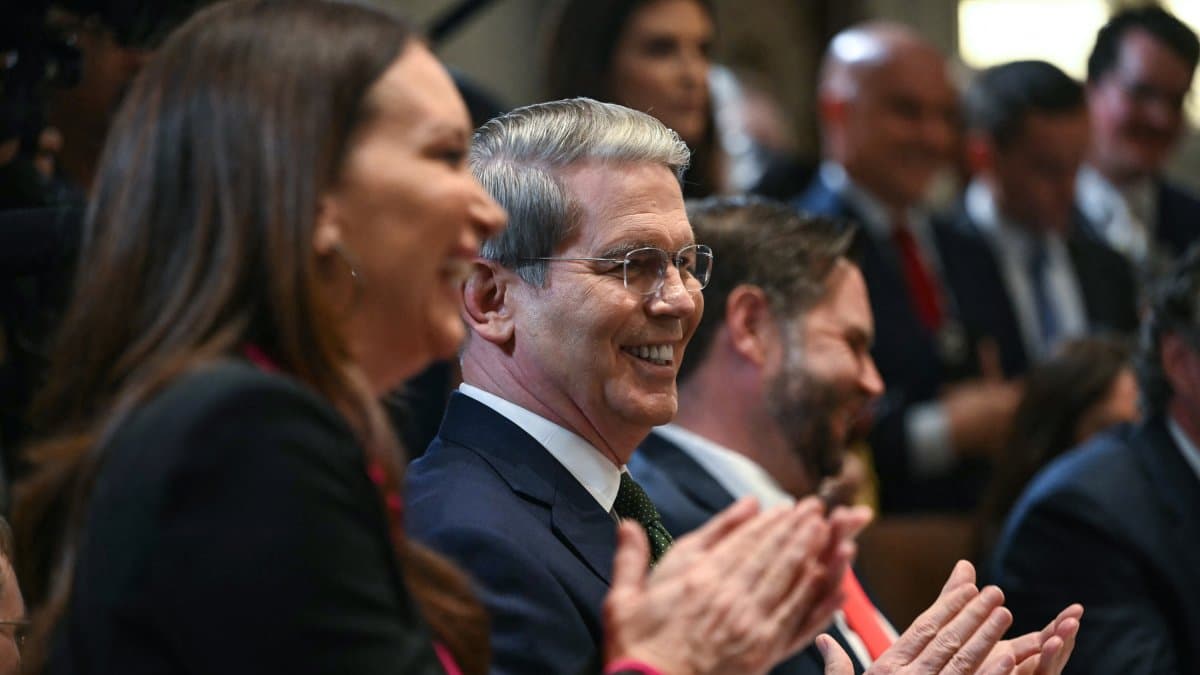

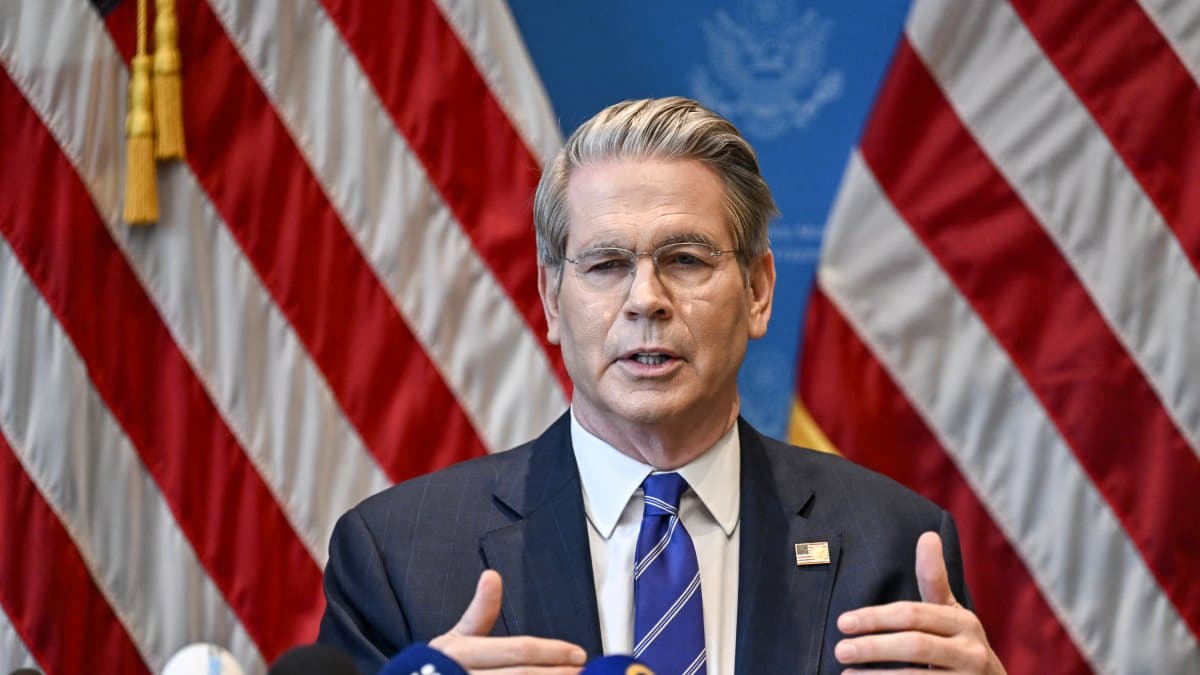
U.S. Treasury Secretary Scott Bessent announced Tuesday that he will meet with his Chinese counterpart in Stockholm, Sweden on July 28-29, to discuss a possible extension of the Aug. 12 deadline, when an agreement that prevents the imposition of significantly higher tariffs between the two nations expires.
In an interview on the Fox Business Network's Mornings With Maria program, Bessent expressed optimism about the current state of trade relations with China, stating that, is in a "a very good place" and that negotiations have reached "a new level" where the relationship is "very constructive".
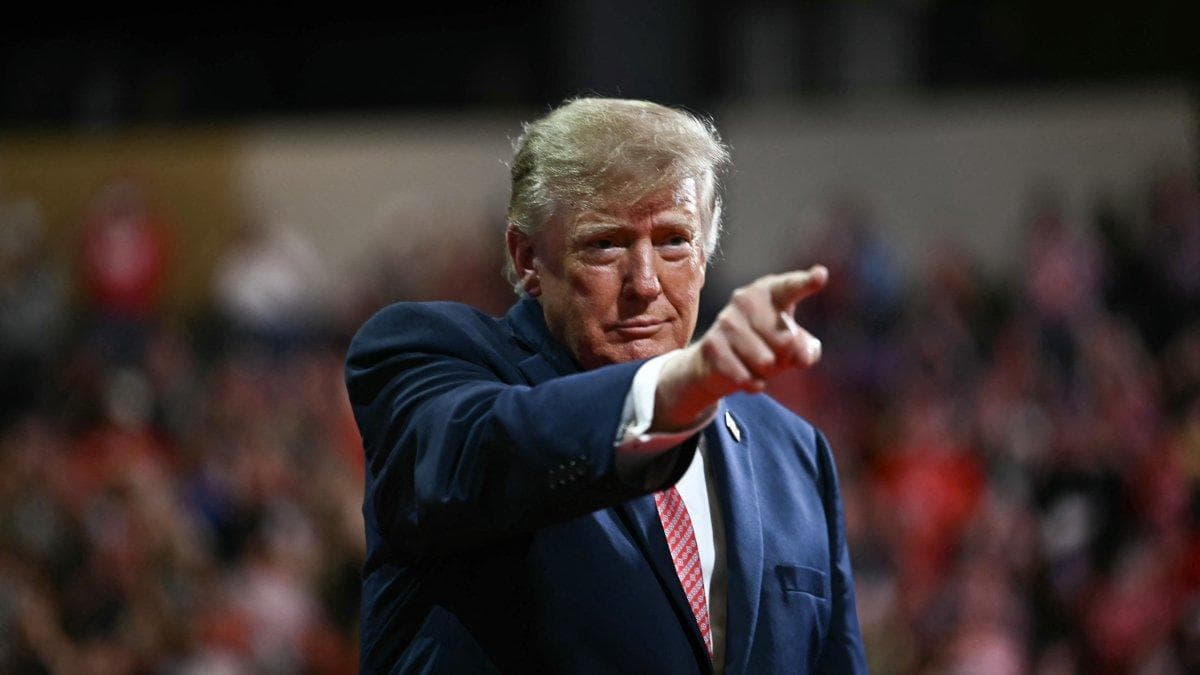
This meeting in Stockholm will be the third round of U.S.-China negotiations in 2025, following previous meetings in Geneva and London, focused on reducing trade tensions unleashed by President Donald Trump's tariff policies.
Currently, tariffs are set at 10% on U.S. goods and 30% on Chinese products, including an additional 20% related to trade in fentanyl precursors.
Without a new agreement or an extension, the rates could skyrocket to very high levels for both the U.S. and China.
Bessent stressed that discussions in Stockholm will seek not only to extend the term of the agreement, but also to address additional issues, such as China's purchase of Iranian and Russian oil. "I think we've actually moved to a new level with China now that trade has kind of settled in at a good level", he said, stressing the importance of China reorienting its economy toward domestic consumption.
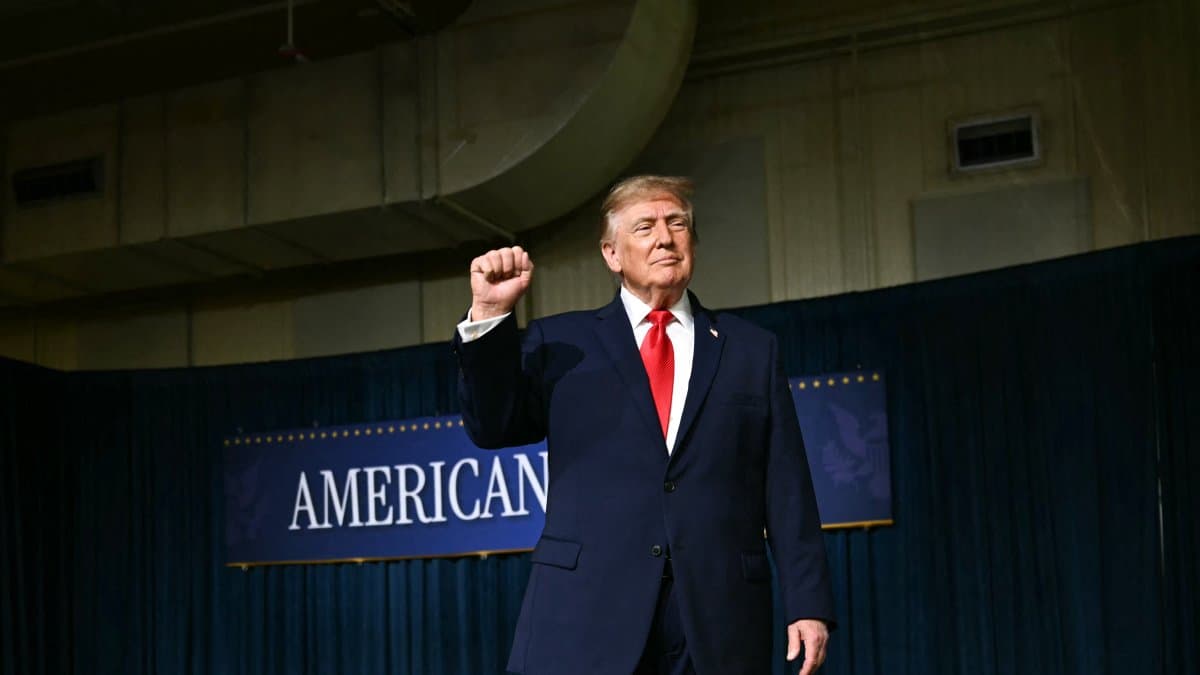
Trump's new tariff round
For other trading partners, the Aug. 1 deadline could bring significant increases, such as 30% for Mexico and 50% for Brazil, because of tensions policy related to the trial of former President Jair Bolsonaro.
🛠 Do you think there is an error in this article?
Recommendations

LATEST