






With Collins and Hawley in favor, here's how the vote calculator stands for Trump's big law in the Senate
With a 53-47 majority in the upper chamber, Republicans can afford a maximum of three casualties of their own on the ballot.
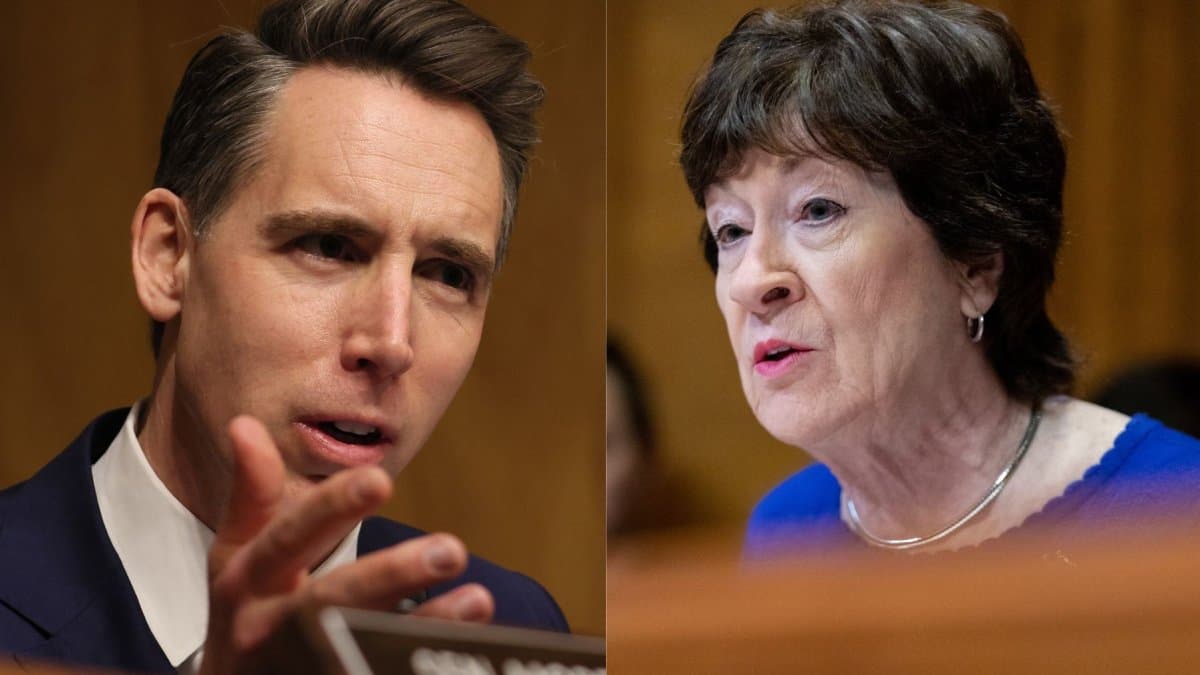

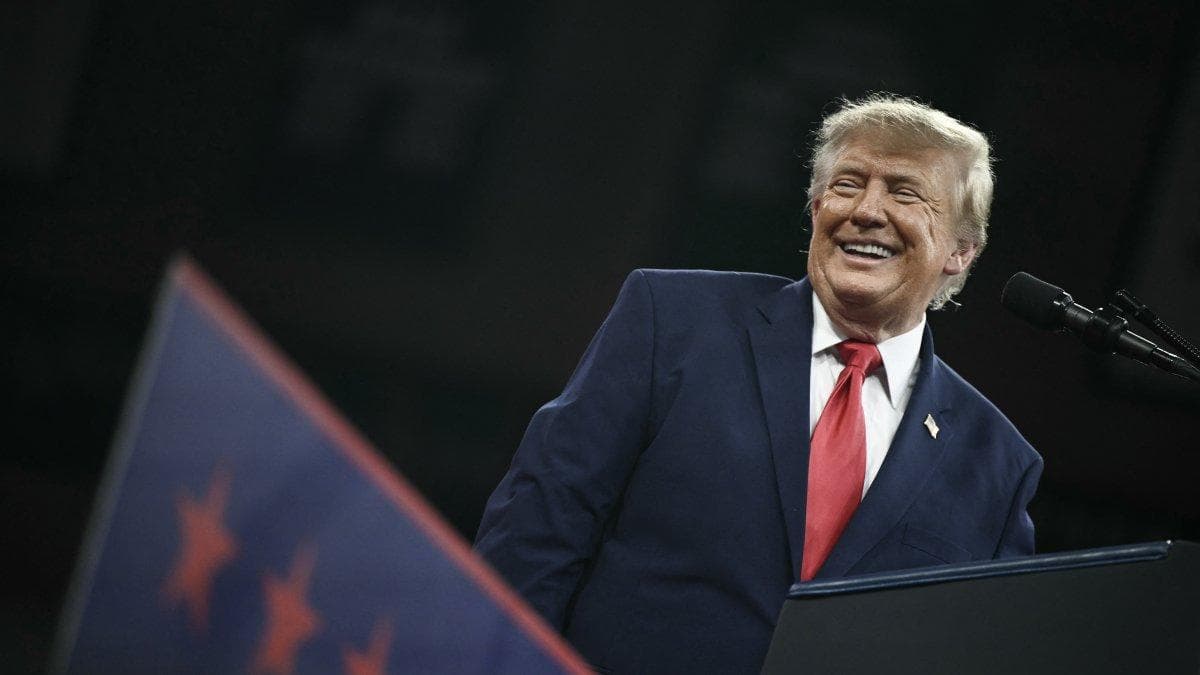
The Republican Congress is working against the clock to agree on a final version of Donald Trump's big law, the"One Big, Beautiful Bill". With the July 4 deadline looming ever closer, the president announced that he would be staying the weekend in Washington DC to shadow the Senate, whose vote is expected sooner rather than later. The good news for Trump are Susan Collins (R-ME) and Josh Hawley (R-MO). Despite initial doubts, they will vote to advance the legislation to debate.
With a majority of 53-47, Republicans can afford a maximum of three casualties of their own on the vote. This would leave a 50-50 scenario in which Vice Chairman JD Vance could break the tie in favor of the bill. In this context, Collins' and Hawley's decisions prove critical to the future of the legislation, as their vote was key to ensuring that the bill has enough wills to advance in the upper chamber.
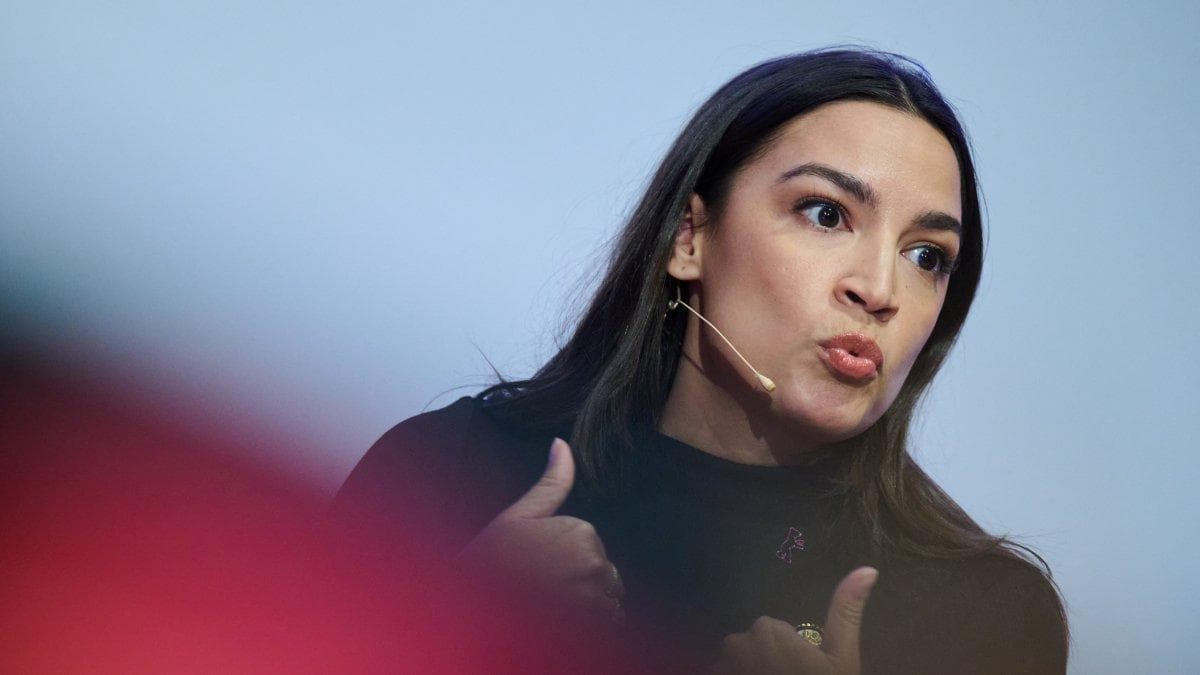
"I am planning to vote for the motion to proceed. Generally, I give deference to the majority leader’s power to bring bills to the Senate floor. Does not in any way predict how I’m going to vote on final passage. That’s going to depend on whether the bill is substantially changed. There are some very good changes that have been made in the latest version but I want to see further changes and I will be filing a number of amendments," said the Maine senator, who will seek re-election in 2026.
Politics
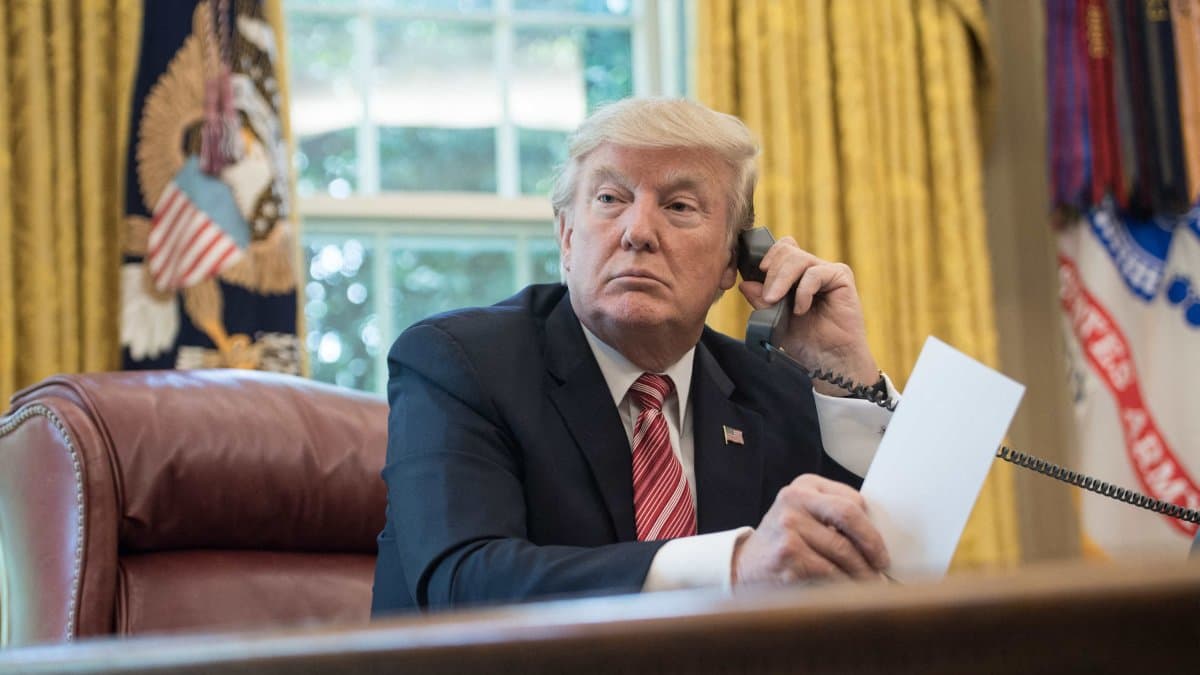
Trump will stay in DC all weekend to work by phone and push for his "big, beautiful bill" amid Senate roadblocks
Emmanuel Alejandro Rondón
Opinion
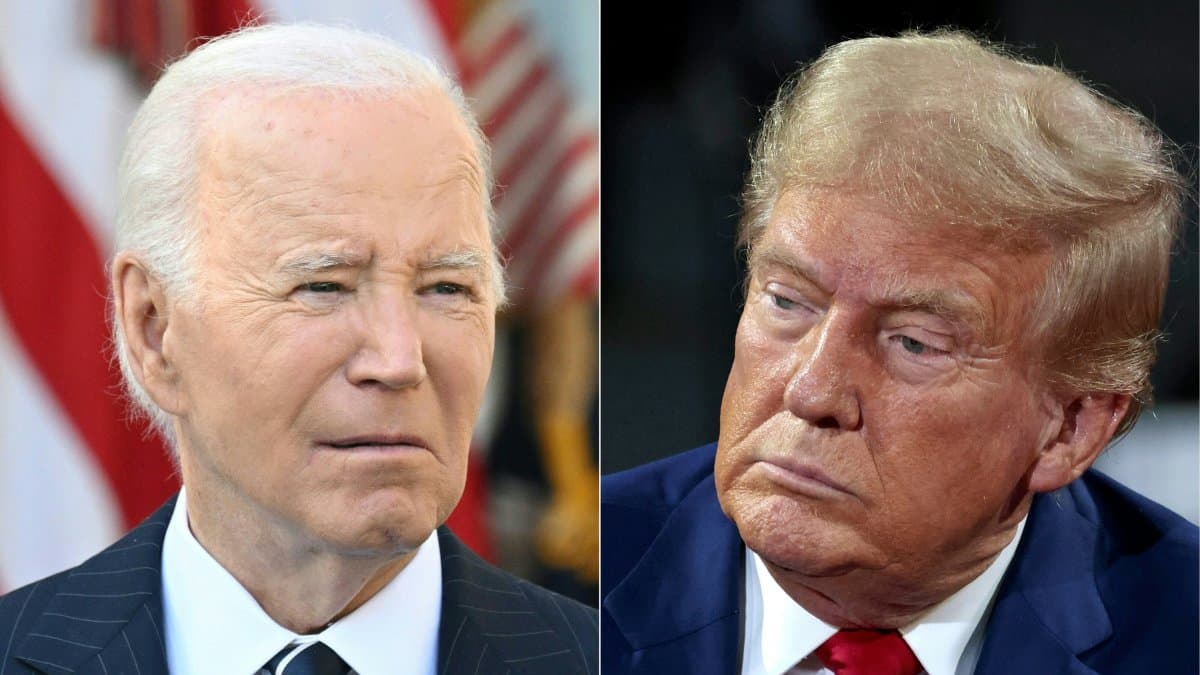
A year since the debate that ended the Biden era — and no one has taken responsibility
Vanessa Vallejo
As for the text of Trump's big law, it received last-minute modifications so that its provisions comply with the Byrd Rule, a filter used to ensure that members of Congress do not include things in excess in the Budget Reconciliation. Under the rule, so named by Sen. Robert Byrd (D-WV), a Budget Reconciliation bill can only contain provisions that increase or decrease federal government spending, increase or decrease federal government revenue, and change the public debt limit.
After receiving several internal and regulatory setbacks, Republican Majority Leader, John Thune (R-SD) late Friday night unveiled modified language so he could introduce it Saturday afternoon and enter it for debate. The 940-page text received modifications in the following areas: public land sales, rural hospitals, the Supplemental Nutrition Assistance Program (SNAP), solar and wind energy projects, state and local taxes (SALT), education, federal pensions and whaling in Alaska, among other things.
The new Senate version was discussed between Thune, House Speaker Mike Johnson and Treasury Secretary Scott Bessent. Johnson repeatedly warned that Senate Republicans should not make too many changes to the House version, since the majority there is so narrow that any excessive modification could leave the text without the votes needed to advance to the president's desk.
The Republican senators who will vote against the "One Big, Beautiful Bill"
Ron Johnson (R-WI)Rand Paul (R-KY)Thom Thillis (R-NC)
🛠 Do you think there is an error in this article?
Recommendations



LATEST