







ANALYSIS
Study reveals hair loss treatment may be linked to the suicide of "thousands" of men
Research by a public health expert at the Hebrew University of Jerusalem reveals that finasteride, a common hair loss drug, has been linked to depression and suicide for more than two decades.
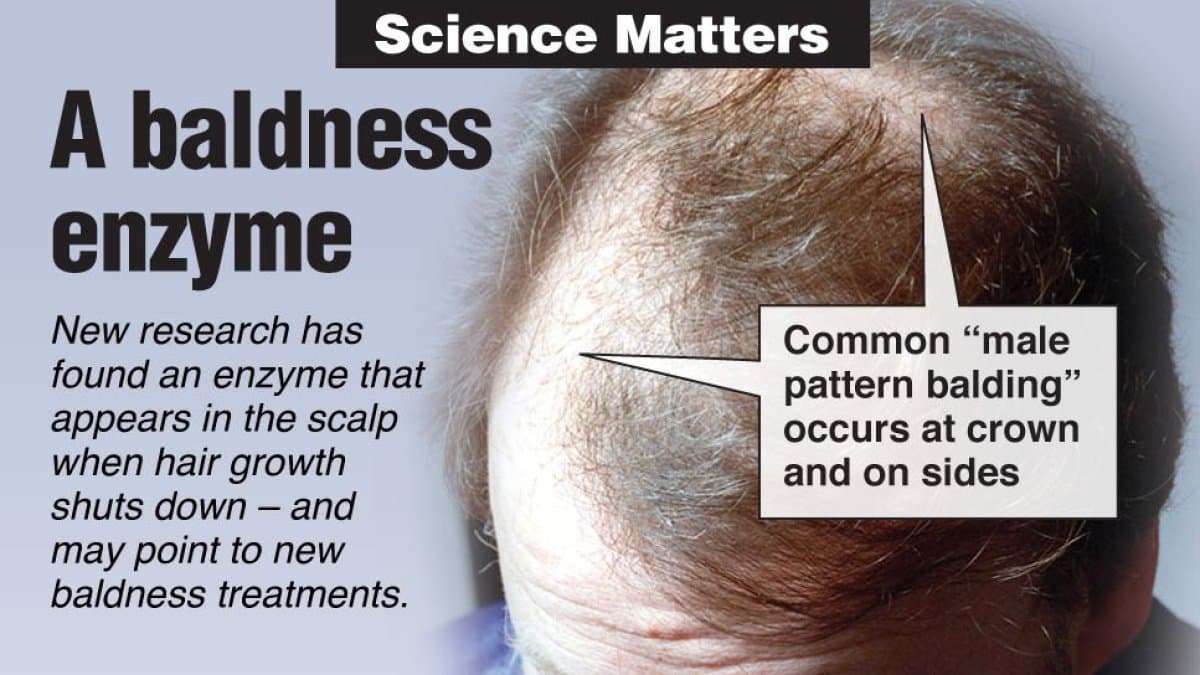

New research conducted in Israel suggests that patients who use a popular male baldness medication are at higher risk for mood disorders and suicidal thoughts compared with those who do not use it.
The study done by a public health expert from the Hebrew University of Jerusalem reveals that finasteride, a common drug for hair loss, has been linked to depression and suicide for more than two decades, but regulators and manufacturers have failed to take action.

The study, published in late September, compiles data from eight major studies conducted between 2017 and 2023, with results coming from countries such as the U.S., Sweden, Canada and Israel, as well as multiple databases, including that of the Food and Drug Administration (FDA).
"The evidence is no longer anecdotal," says Professor Mayer Brezis, author of the research and professor emeritus of Medicine and Public Health. "We now see consistent patterns across diverse populations. And the consequences may have been tragic."
According to the study, hundreds of thousands of people may have suffered finasteride-related depression, and hundreds, possibly more, may have died by suicide.
"A systemic failure of pharmacovigilance"
Although the FDA recognized depression as a possible side effect in 2011 and added suicidality in 2022, internal FDA documents from 2010, cited in Professor Brezis' article, reveal large portions crossed out as "confidential" including estimates of how many users might have been affected.

In 2011, the FDA had only recorded 18 suicides related to the drug. However, given the global use of finasteride, the study notes that cases could number in the thousands.
Following these results Professor Brezis indicated, "It wasn't just underreporting. ... It was a systemic failure of pharmacovigilance," he wrote.
Also, none of the studies cited in the researcher's review were initiated by Merck, the original manufacturer, or requested by regulators.
A testosterone blocker
According to the research, finasteride acts by blocking the conversion of testosterone to dihydrotestosterone (DHT) and by altering neurosteroids such as allopregnanolone, which are related to mood regulation in the brain.

Society
Gallup: young American men are the most likely to experience feelings of loneliness
Carlos Dominguez
Experimental and epidemiological studies show that the drug can cause severe neuropsychiatric reactions, such as depression, anxiety and suicidality, even after stopping the drug, and the evidence for causality appears strong.
"Often lasting long after medication discontinuation, neuropsychiatric reactions are sometimes severe enough to lead to suicide. Hippocampal neurogenesis, neuroinflammation, and genetic changes may mediate the long-lasting effects of finasteride," the study states.
Twenty years of documented cases
The study reveals that concern about finasteride-induced depression was raised in several reports published as early as 2002.

Brezis partly blames Merck, the original manufacturer of finasteride, for allegedly skipping basic safety research through database analysis, and regulatory agencies for not requiring it or conducting it themselves.
Given his findings, Brezis calls for suspending the marketing of finasteride for cosmetic use until its safety profile is fully reevaluated, as is the systematic recording of pharmacological history in suicide research.
🛠 Do you think there is an error in this article?
Recommendations









LATEST