Trump expands US entry restrictions: Five new countries blacklisted
The Trump Administration detailed specific explanations for the application of the total entry restriction for each case.
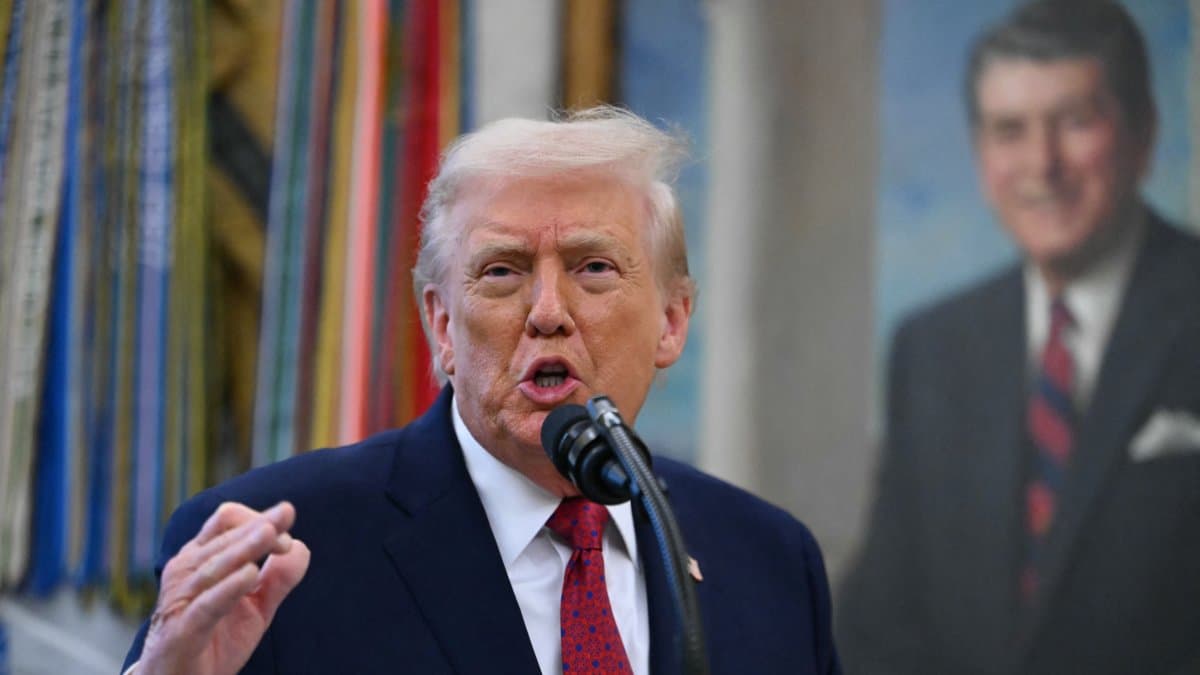

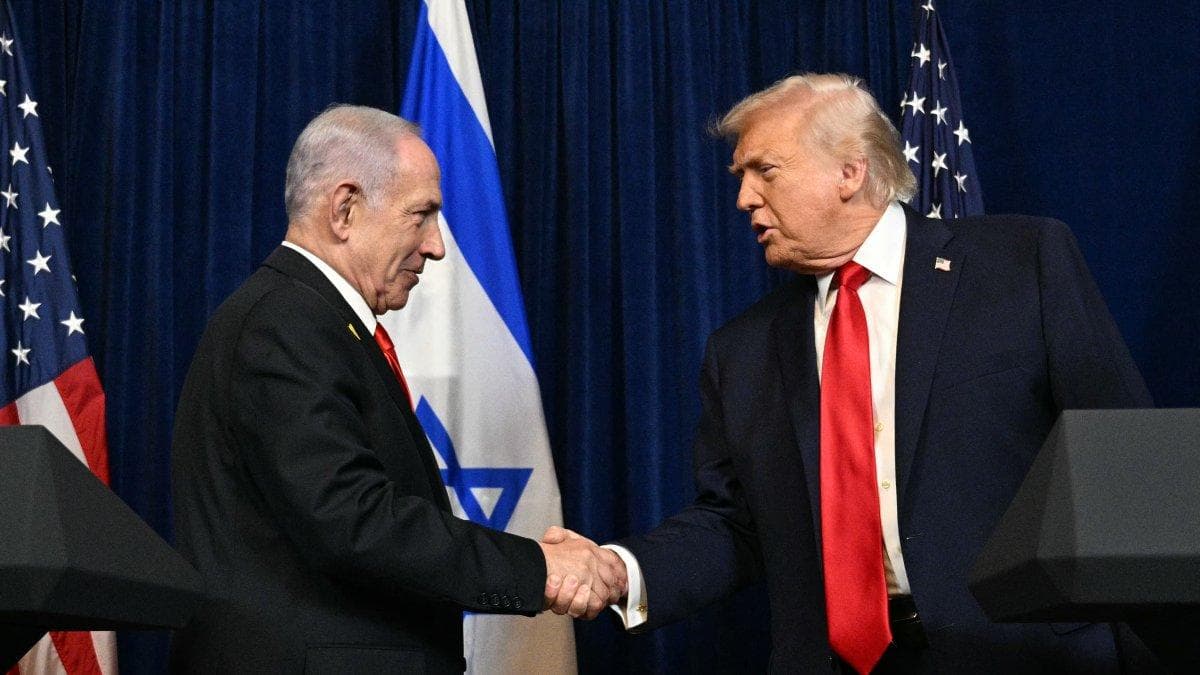
Donald Trump expanded restrictions on entry to the United States, adding five new countries to the blacklist. The announcement was made by the White House through a statement, in which they remarked that the measure is framed to increase the country's national security, by limiting and even prohibiting the entry of citizens coming from countries considered high risk.
Specifically, the five new countries affected by the restrictions are Burkina Faso, Mali, Niger, Sudan South and Syria. At the same time, total restrictions and entry limitations were added for people holding travel documents issued by the Palestinian Authority, chaired by Mahmoud Abbas.
The proclamation signed by the president also imposed full restrictions on two countries previously subject to partial restrictions: Laos and Sierra Leone.
President Donald J. Trump just signed a Proclamation further restricting and limiting the entry of foreign nationals to protect the security of the United States.
— Continues full restrictions and entry limitations of nationals from the original 12 high-risk countries:…
The Trump Administration detailed specific explanations for the application of the full entry restriction for each case. For example, in addition to the terrorist activity that the State Department locates in Niger, they detailed that the African country "recorded a B-1/B-2 visa overstay rate of 13.41% and an F, M, and J visa overstay rate of 16.46%."
Another example was the case of Syria, for which they noted that, "while the country is working to address its security challenges in close coordination with the United States, Syria still lacks an adequate central authority for issuing passports or civilian documents and lacks adequate control and verification measures."
Checks on entry restrictions increased after the attack on two National Guard officers in Washington, D.C., whose prime suspect is Rahmanullah Lakanwal, an Afghan national.
"The restrictions and limitations imposed by the Proclamation are necessary to prevent the entry of foreign nationals about whom the United States lacks sufficient information to assess the risks they pose, garner cooperation from foreign governments, enforce our immigration laws, and advance other important foreign policy, national security, and counterterrorism objectives," reads the text of the proclamation, released by the White House.
"It is the President’s duty to take action to ensure that those seeking to enter our country will not harm the American people," it adds.
In addition, the proclamation added partial restrictions and entry limitations to fifteen additional countries - Angola, Antigua and Barbuda, Benin, Côte d'Ivoire, Dominica, Gabon, Gambia, Malawi, Mauritania, Nigeria, Senegal, Tanzania, Tonga, Zambia and Zimbabwe.
🛠 Do you think there is an error in this article?
Recommendations

LATEST