







New study shows cell therapy can kill pancreatic cancer cells
The treatment slowed tumor growth and prolonged survival in studies in mice.
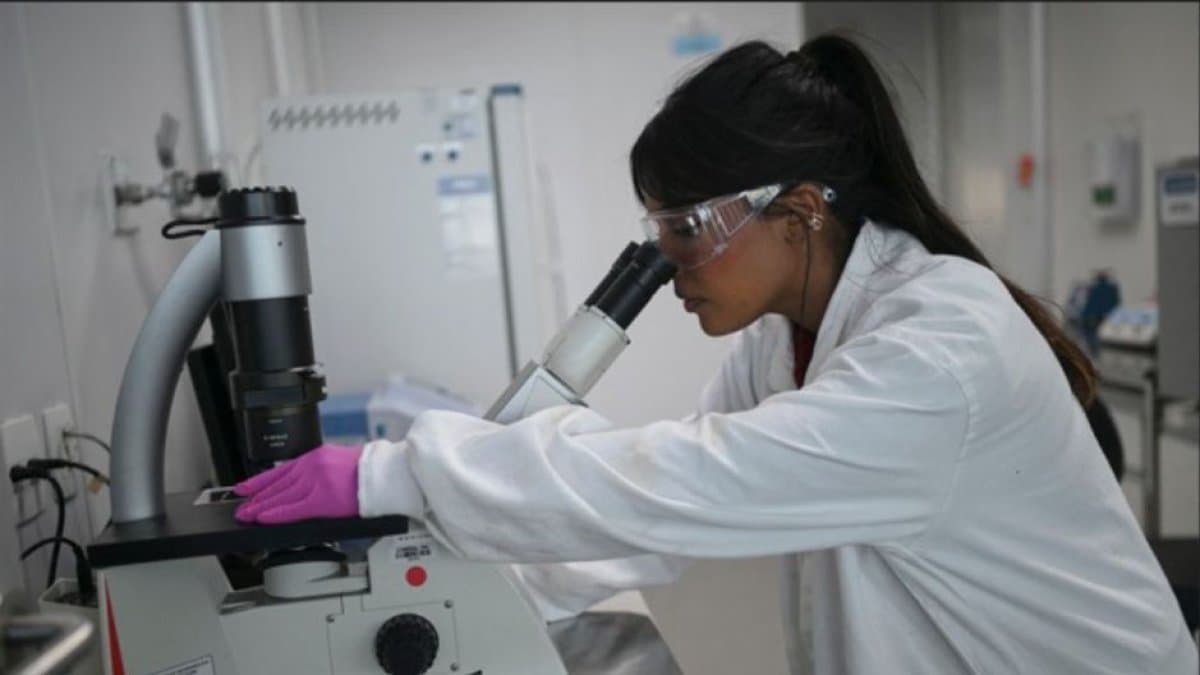

Researchers at the University of California, Los Angeles (UCLA) developed a ready-to-use cellular immunotherapy that, in mouse studies, tracked and destroyed pancreatic cancer cells even after the tumor had spread to other organs. In these models, the treatment slowed tumor growth and prolonged animal survival, and demonstrated efficacy within the setting of solid tumors.
The work was published in Proceedings of the National Academy of Sciences (PNAS) and was presented by the team as a cellular platform ready to be administered without customizing for each patient.
How the therapy works
The researchers started from human stem cells and converted them into immune system cells called invariant NKT cells (natural killer T cells). To these cells they genetically added a chimeric antigen receptor (CAR), which enables them to recognize and attack pancreatic cancer cells. According to the team's statement, NKT cells are naturally compatible with any immune system, which facilitates their entry into the body without causing dangerous reactions.
Dr. Yanruide Li, senior author and postdoctoral fellow at UCLA, stated in the release, "Even when the cancer tries to evade one attack pathway by changing its molecular signature, our therapy is hitting it from multiple other angles at the same time. The tumor simply can’t adapt fast enough."

Advantages observed in animal models
In different laboratory models—including models with tumors implanted in the pancreas and others that mimic spread to organs such as the liver—the CAR-NKT cells were able to infiltrate inside the tumor rather than remain outside, detected cancer cells through multiple pathways, and killed them using multiple targeting mechanisms. Moreover, the modified cells remained active in the tumor microenvironment, in contrast to the rapid deactivation that many immune cells entering solid tumors typically undergo.
Production and costs
The researchers noted that NKT cells can be mass-produced from donated blood stem cells and that "One donor could provide sufficient cells for thousands of treatments." The team also estimated that one dose could cost about $5,000, much less than personalized CAR-T treatments.
Next steps and limitations noted
Dr. Yang summarized the goal: "We’ve developed a therapy that’s potent, safe, scalable, and affordable. The next critical step is proving it can deliver the same results in patients we’ve seen in our preclinical work."
🛠 Do you think there is an error in this article?
Recommendations







LATEST