San Francisco sues large producers of ultra-processed foods
"These companies created a public health crisis with the engineering and marketing of ultra-processed foods," said San Francisco City Attorney David Chiu.
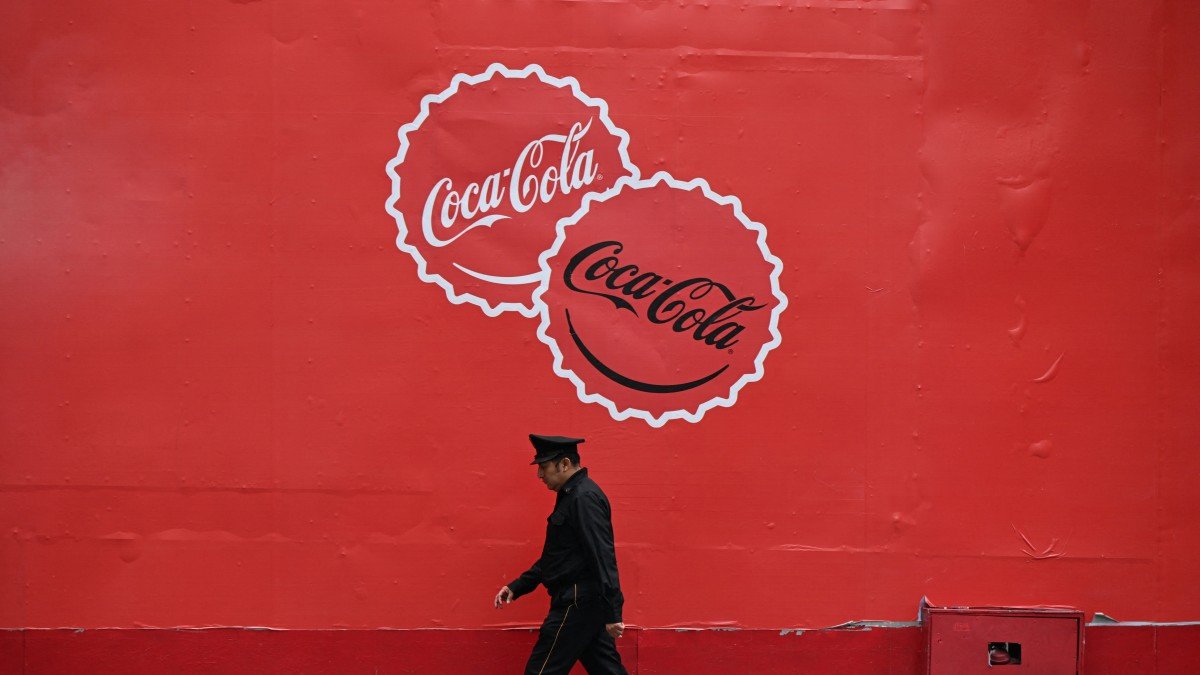
A security guard walks past a Coca-Cola advertisement.

(AFP) San Francisco sued makers of ultra-processed foods that health experts say have driven millions of Americans to obesity during decades of overconsumption, the California city said Tuesday.
Kraft Heinz, Coca-Cola, Nestle and Kellogg are featured in what officials called a groundbreaking lawsuit that holds some of the biggest names in the U.S. food industry accountable.
"These companies created a public health crisis with the engineering and marketing of ultra-processed foods," said San Francisco City Attorney, David Chiu.
"They took food and made it unrecognizable and harmful to the human body," he added.

Politics
ANALYSIS | US faces health crisis: Trump Administration and MAHA take the lead
Agustina Blanco

Health2
The Trump Administration is pushing for a ban on artificial food dyes thanks to RFK Jr.
Agustina Blanco
Ultra processed foods, including sweets, chips, soda and breakfast cereals, are usually made from ingredients that have been broken down, chemically modified and combined with artificial additives.
They often contain dyes, flavor enhancers, sweeteners, thickeners and foaming agents, and cannot be produced at home.
"Recent surveys show Americans want to avoid ultra-processed foods, but we are inundated by them. These companies engineered a public health crisis, they profited handsomely, and now they need to take responsibility for the harm they have caused," Chiu said.
With its lawsuit, filed in San Francisco Superior Court, the Democratic-led city is making common cause with the Make America Healthy Again (MAHA) movement that has rallied around U.S. Health Secretary Robert F. Kennedy Jr.
Kennedy Jr. has frequently criticized ultra-processed foods, which he calls "poison" and blames for growing obesity, chronic disease and poor health, especially among young people in the United States.
The Centers for Disease Control and Prevention (CDC) notes that 40% of Americans are obese and nearly 16% have diabetes, a condition that can result from being overweight.
LATEST