Despite pressure, Trump's nominee to head the Fed pledges independence before the Senate
At a Senate Banking, Housing and Urban Affairs Committee hearing, Kevin Warsh assured that, if confirmed, he would maintain the Fed's independence and improve outcomes for the agency's primary mission: price stability in the economy.
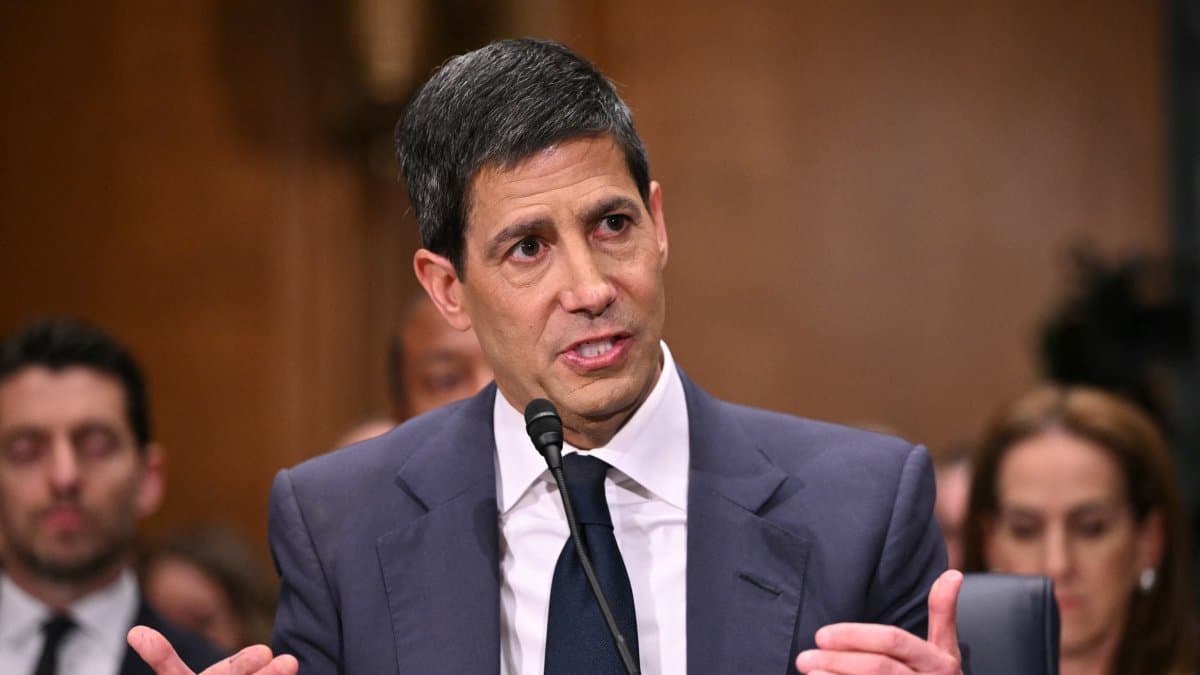

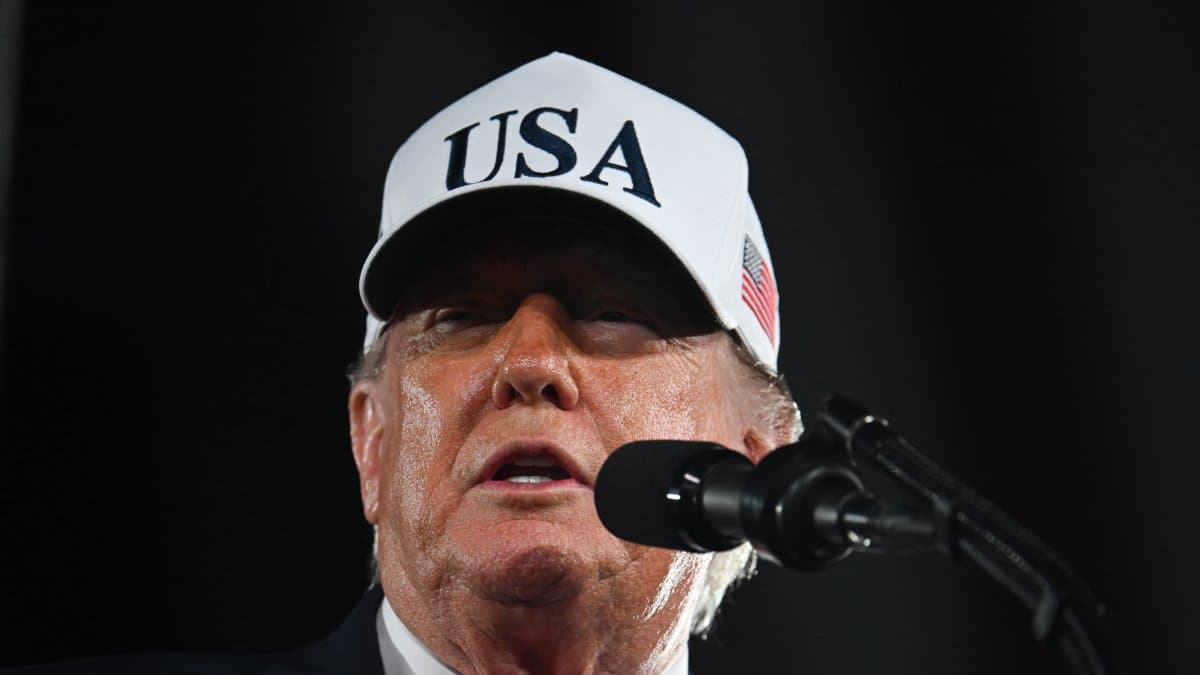
Kevin Warsh, Donald Trump's nominee to be the new chairman of the Federal Reserve, underwent his Senate confirmation hearing. Amidst exchanges with Democratic senators, Warsh pledged that, if confirmed, he would uphold the Fed's independence and improve the outcomes of the institution's primary mission: economic price stability.
If confirmed, Warsh will succeed Jerome Powell. While he was nominated by Trump in 2017, the two have clashed over the past year due to the president's pressure to lower interest rates, something Powell did not do. Trump subsequently demanded publicly for his resignation.
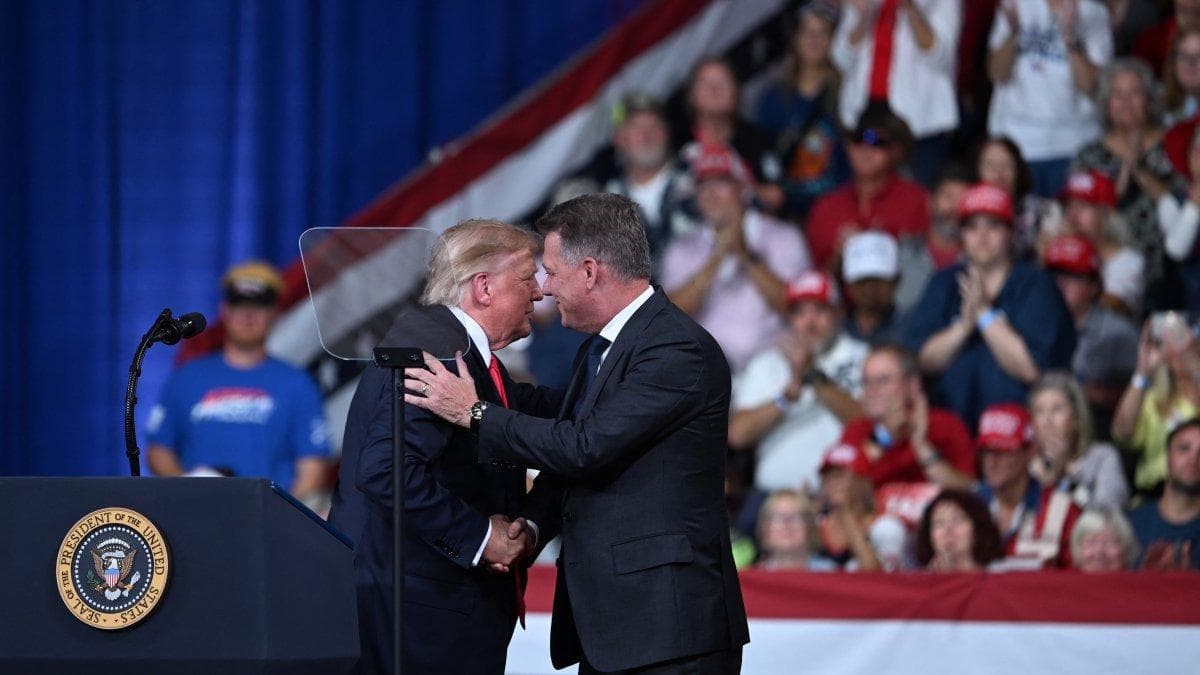
Before testifying before the Banking, Housing and Urban Affairs Committee, Warsh was introduced by Senator Dave McCormick (R-PA), who has known him for decades and described him as the "ideal candidate" to lead the Fed: "Kevin Warsh has lived the American dream. I know in my heart he will always fight to keep that dream alive for all Americans. He is the right man for this pivotal moment."
Tech & Science
Bessent, Powell hold emergency meeting with Wall Street leaders over threat of new AI model
Luis Francisco Orozco
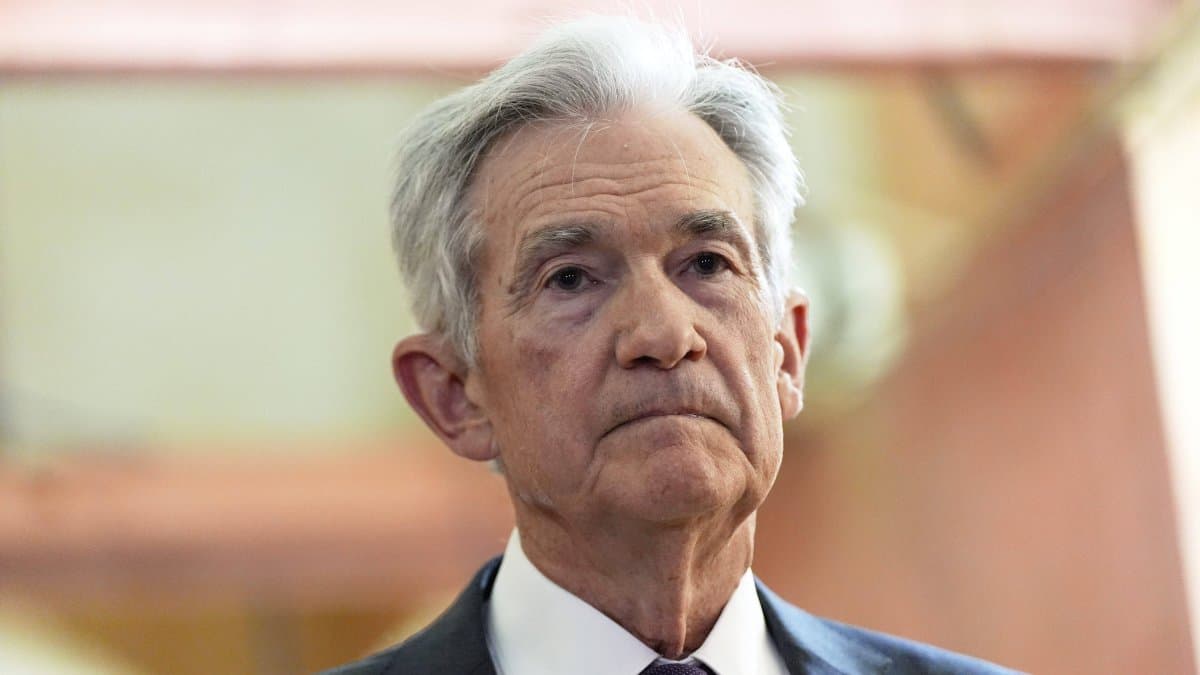
In his opening remarks, Warsh spoke of the importance of maintaining monetary policy independence and the need to improve procedures to achieve better price stabilization performance.
"I'm committed to ensuring that the conduct of monetary policy remains strictly independent, equally committed to work with the administration and congress on nonmonetary matters that are part of the Fed's remit, and I commit myself to accountability. Finally, I'll just say this, mister chairman. (...) If confirmed as chairman, I'll be faithful to the constitution, to the Federal Reserve Act, and to the very best of the Fed's traditions," he said.
When answering questions, both Democrats and Republicans pressed him on whether he could maintain independence despite pressure from Trump, who had previously said the next Fed chairman should consult him on interest rates.
Fed chair nominee Kevin Warsh: "I believe a reform-oriented Fed can make a real difference to the American people, and if confirmed, I will seek to create an environment in which the best people do their best work." pic.twitter.com/PMZnQjerHX
One of them was John Kennedy (R-LA), who asked him the following question, "Are you gonna be the president's human sock puppet?" "Senator, absolutely not. I'm honored the president nominated me for the position, and I'll be an independent actor if confirmed as chairman of the Federal Reserve," Warsh replied.
Kennedy persisted and asked Warsh if Trump had committed him to lowering interest rates during interviews for the position. The nominee forcefully denied that scenario: "The president never asked me to predetermine, commit, set or decide anything on interest rates in any of our conversations, nor would I ever agree to do so. (...) The president never, not once, asked me to commit to any specific decision on interest rates."
Previously, Warsh served on the Federal Reserve Board of Governors from 2006 to 2011. He was the youngest member to be nominated to the board. He is also a professor and academic. In a recent interview with Peter Robinson for the Hoover Institution's popular "Uncommon Knowledge" program, he shared President Trump's economic optimism, driven by innovation, productivity and population dynamism.
WARSH: My preferred definition of stable prices is a little different than most academics. I believe price stability should be a change in prices such that no one’s talking about it. The sooner we can reform the institution, if confirmed, the sooner we can ensure price stability. pic.twitter.com/Bk8RQCxcZG
How is the chairman of the Federal Reserve chosen?
The term as chairman of the Federal Reserve is four years and can be re-elected indefinitely. For example, Alan Greenspan was nominated by Ronald Reagan in 1987 and served until 2006.
The Federal Reserve is also headed by a Board of Governors composed of seven members, all nominated by the president and confirmed by the Senate. Each governor has a 14-year term, with one term expiring every two years, a structure intended to ensure institutional continuity and independence.
The Fed chairman simultaneously serves as one of these governors for the duration of his term as chairman.
🛠 Do you think there is an error in this article?
Recommendations


LATEST