Bessent, Powell hold emergency meeting with Wall Street leaders over threat of new AI model
The talks reflect a growing concern among financial regulators about how advanced artificial intelligence (AI) could affect the security of critical financial systems.
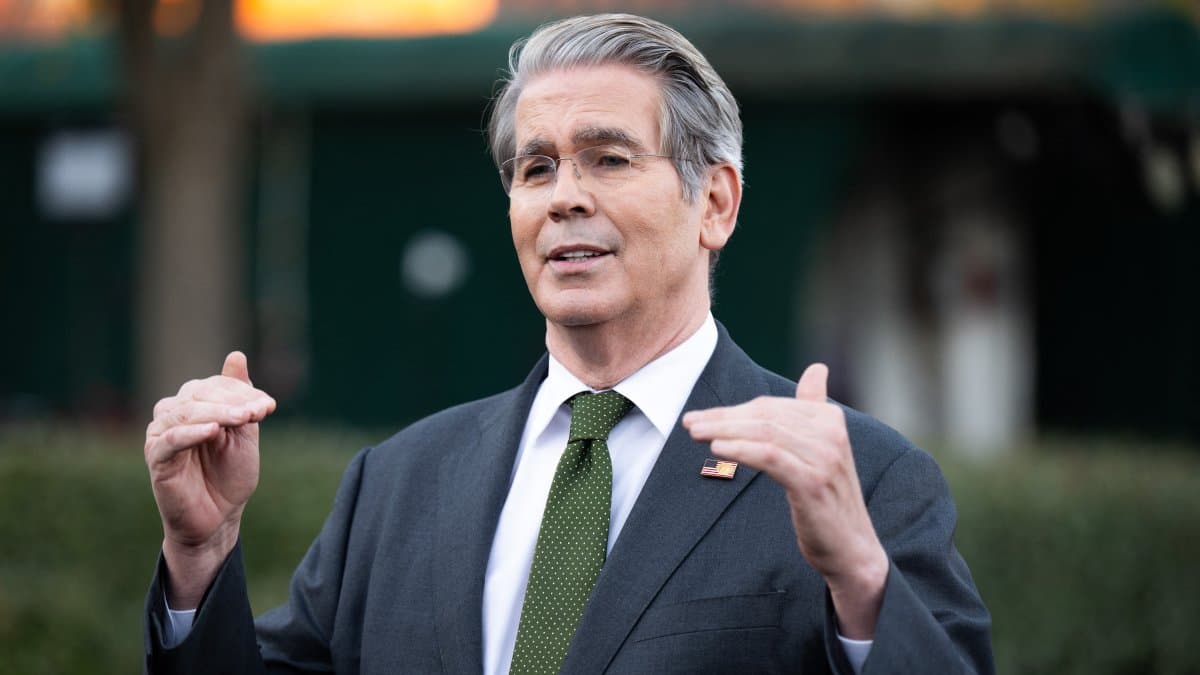
Bloomberg media reported Thursday that Federal Reserve Chairman Jerome Powell and U.S. Treasury Secretary Scott Bessent held an urgent meeting with top Wall Street executives to address cybersecurity concerns linked to a new artificial intelligence model developed by Anthropic. The talks reflect a growing concern among financial regulators about how advanced artificial intelligence (AI) could affect the security of critical financial systems.
As highlighted by the media outlet, the meeting took place Tuesday at the Treasury Department in Washington and included CEOs from major banks such as Citigroup, Morgan Stanley, Bank of America, Wells Fargo and Goldman Sachs. President Donald Trump administration officials sought to ensure that financial institutions were fully aware of the risks associated with the model and were taking steps to bolster their defenses.
Politics
First US conviction for use of AI in digital sexual abuse: a precedent-setting case
Diane Hernández
While Anthropic unveiled its new Mythos model earlier this week, it decided not to launch it widely, citing concerns about its potential to reveal previously unknown security vulnerabilities. The company claimed the system is capable of identifying and exploiting flaws in "all major operating systems and all major Web browsers."
Access to Mythos will be restricted to approximately 40 technology companies, including Microsoft and Google. Anthropic also indicated that it has had ongoing discussions with U.S. government officials about the model's capabilities.
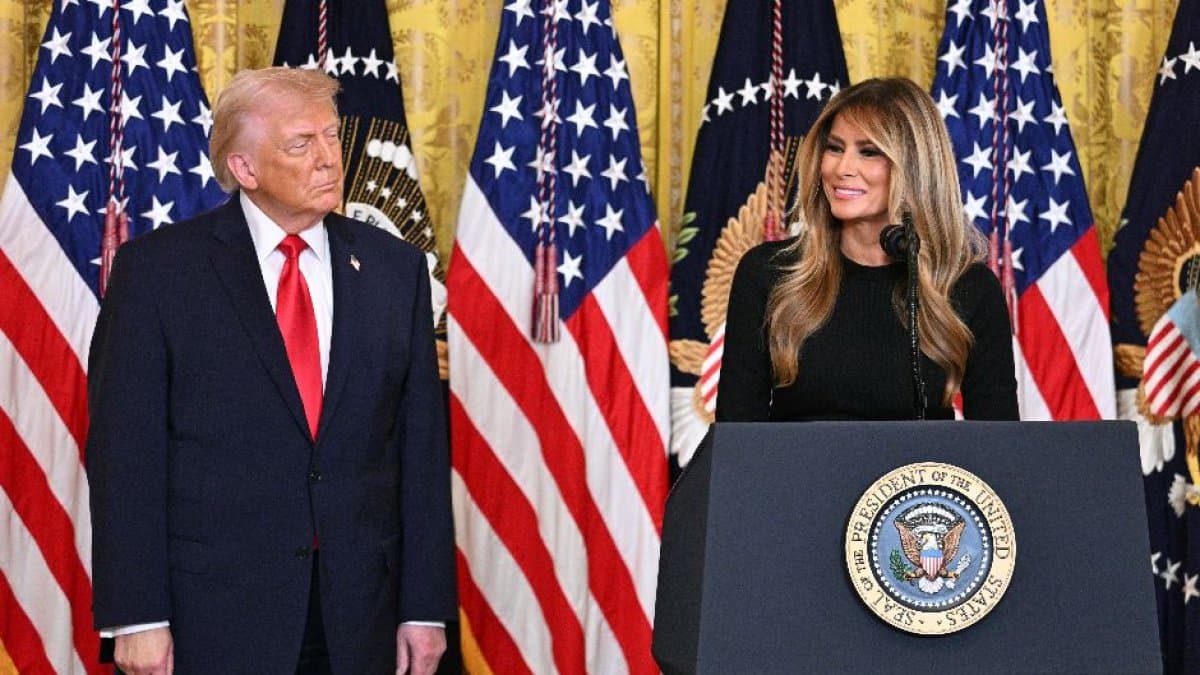
The situation reflects a broader debate about how to balance the rapid progress of AI with security safeguards, not only in the financial industry, but also across different domains. This Wednesday, the federal judiciary in Ohio handed down the country's first conviction under the 'Take It Down' Act, which is a regulation aimed at curbing the proliferation of AI-generated sexual images without consent. The case has been highlighted by first lady Melania Trump as a decisive step in protecting victims of cybercrime.
🛠 Do you think there is an error in this article?
Recommendations

LATEST