Venezuelan analyst on Voz News: The regime's true prison guards remain in power despite Nicolás Maduro's arrest
In an interview with Karina Yapor for VOZ News, César Báez, producer of the magazine Reason and the documentary "Escaping Venezuela," warned that the continued presence of key figures in the Chavista movement prevents any talk of true freedom in the South American nation.
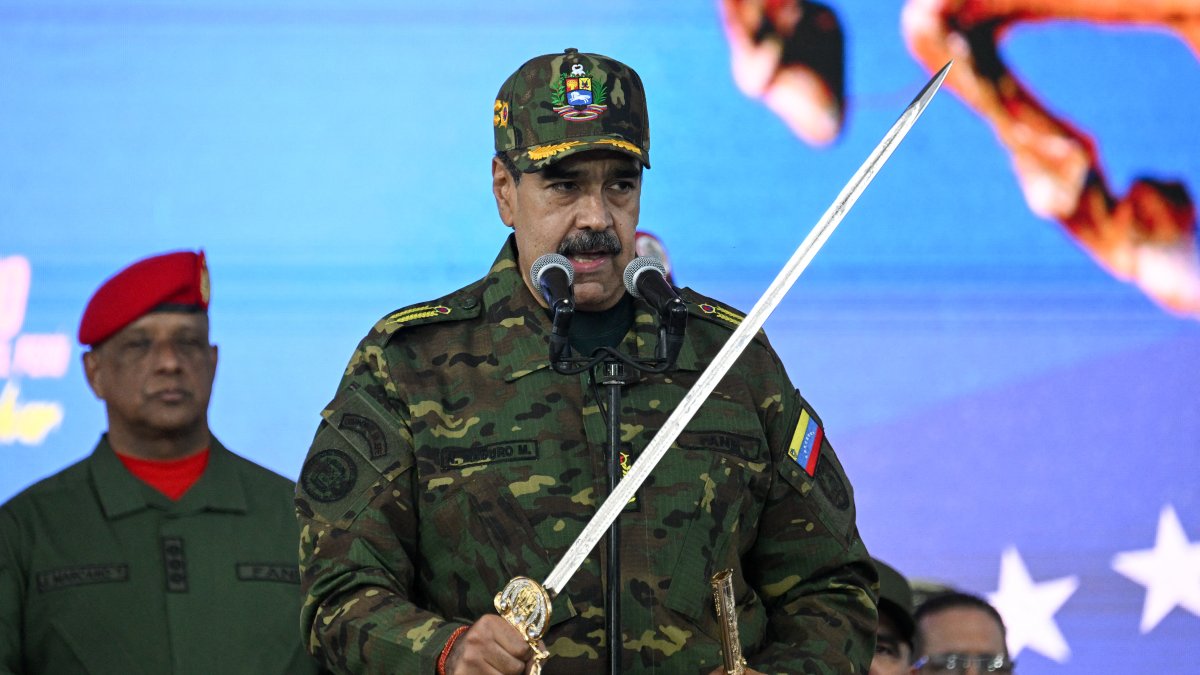
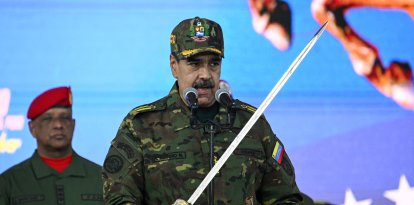
Nicolás Maduro a few weeks before his capture.

More than nine months after Nicolás Maduro's capture, Venezuela's institutional reality continues to be marked by impunity and the persistence of state persecution structures.
In an interview with Karina Yapor for VOZ News, César Báez, producer of the magazine Reason and the documentary "Escaping Venezuela," warned that the continued presence of key figures from the Chavista regime prevents any talk of true freedom in the South American nation.
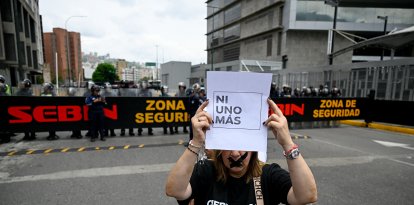
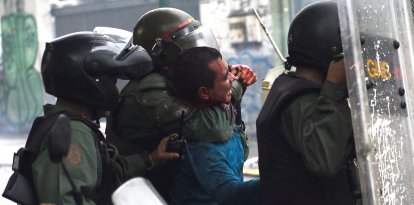
"There are still hundreds of political prisoners," Báez emphasized while analyzing recent reports from international organizations. The producer noted that the main obstacle to democratic reconstruction is that the leadership of the intelligence and public security apparatus continues to operate without restrictions.
"Diosdado Cabello, on whom a $25 million reward has been placed by the U.S. justice system, is still the Minister of the Interior... As long as there continue to be political prisoners in the jails and those jailers remain in power, many Venezuelans find it hard to believe that the country has truly changed," he said.
A true story of resistance and the threat of the statist model
The film project, which will have a preview screening on September 30 in Washington, D.C., before its official premiere on October 13 in New York, conveys the memory of Venezuela's collapse through the Mora family's testimony.
Owners of a thriving textile business in the border region, the Moras used their logistical infrastructure to establish safe escape routes for dissidents, journalists, and those persecuted for political reasons during the years of greatest repression, until the regime captured, imprisoned, and tortured Carlos Mora.
Báez explained that the documentary not only exposes the abuses committed by the state apparatus but also serves as a mirror for democratic societies today that are flirting with progressive and collectivist proposals.
"We want this documentary to be seen not only by people who are already critical of socialism, but also… by anyone who feels drawn to these ideas. They can understand the parallels we're going to show," he said.
For her part, Karina Yapor highlighted the relevance of this message for audiences who have not directly experienced the consequences of radical statism, emphasizing the risk that other nations in the region and in the West might follow a similar path if they fail to recognize the warning signs in time.
The documentary brings together testimonies from prominent analysts, politicians, and journalists to offer a comprehensive analysis of the transition from democratic prosperity to institutional ruin.
World
Venezuela lifts years of digital censorship, unblocks at least 10 news outlets
Diane Hernández
LATEST