The Bukele model is also gaining traction in Brazil ahead of the presidential election
Public safety is the top concern for Brazilians. Conservative candidate Flávio Bolsonaro is seeking to capitalize on that fear in the October election by promising to import Bukele's approach.
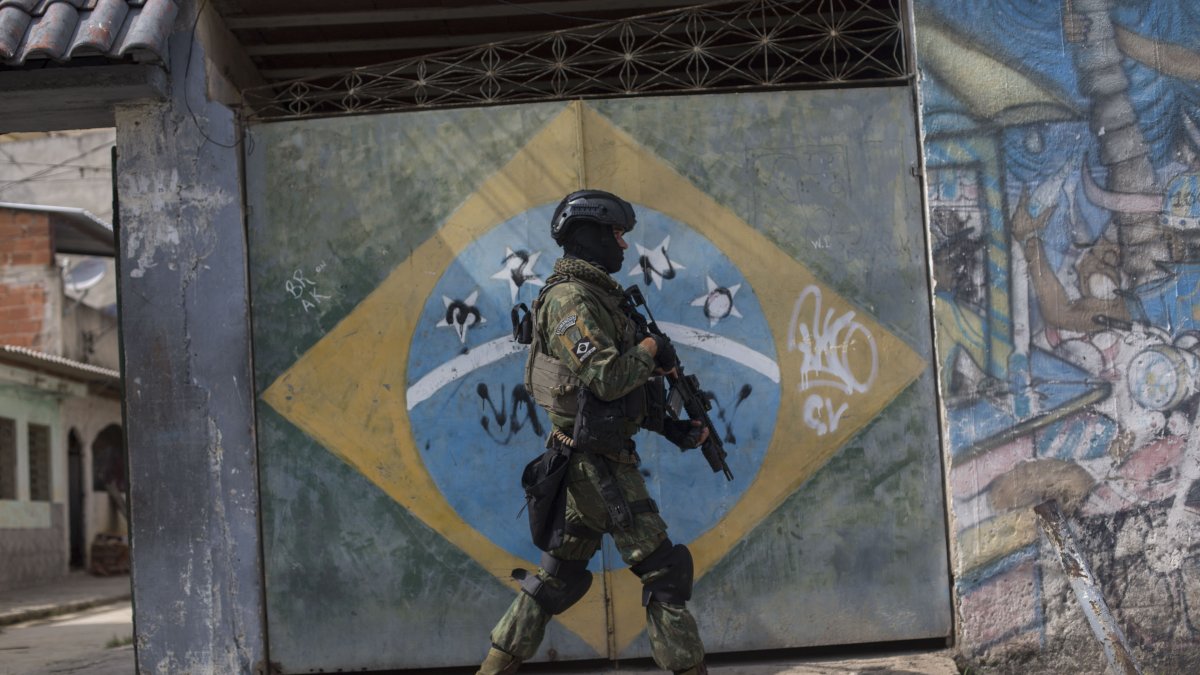
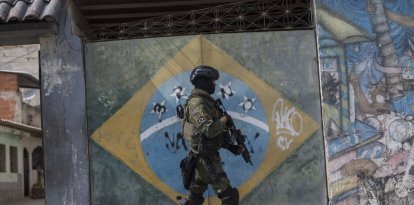
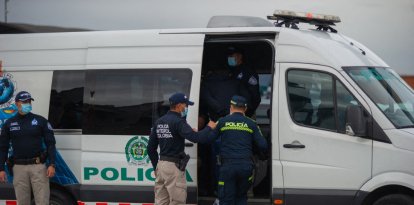
File photo of a police officer in Brazil
Fed up with witnessing muggings in Copacabana, William Correia created a group of volunteers to patrol the streets of Rio de Janeiro and report robberies on social media. He dreams of Brazil emulating Salvadoran President Nayib Bukele's model for fighting crime.
Public safety is the main concern for Brazilians. Conservative candidate Flávio Bolsonaro seeks to capitalize on that fear in the October election with the promise of importing Bukele's approach.
"I'd like to see here what's happening in El Salvador so that criminals get a reality check," Correia, a 39-year-old martial arts instructor and current candidate for federal deputy for a center-right party, told AFP.
The Bukele model was a campaign banner for conservatives in the region, such as Daniel Noboa in Ecuador, Abelardo de la Espriella in Colombia and Keiko Fujimori in Peru.
In Brazil, criminal factions such as the Comando Vermelho and the Primeiro Comando da Capital impose their own law on millions of favela residents, while common crime plagues the population with robberies and assaults.
According to recent polls, 88% of Brazilians want harsher penalties for criminals, and 79% support lowering the age of criminal responsibility.
A model that inspires
Bukele reduced gang violence through mass incarceration in El Salvador. Today, Bukele is the most popular leader in Latin America, according to a recent regional poll.
Flávio Bolsonaro, son of Jair Bolsonaro, considers the experience of El Salvador "inspiring."
Among other measures, he promises to build maximum-security mega-prisons and designate the C.V. and the PCC as "narcoterrorists," as the Donald Trump administration in the U.S. recently did.
Other right-wing Brazilian candidates are also invoking Bukele in their campaigns.
Socialist President Luiz Inácio Lula da Silva, who is seeking reelection and is accused by his rivals of being lenient on crime, avoids such rhetoric.
His strategy relies primarily on "financial suffocation": freezing the assets and businesses that criminal factions use to launder money.
For Correia, whom the courts barred in May from organizing the neighborhood watch patrols he had led for three years in Copacabana, a tough stance against criminals is an unavoidable cost.
"It's like cancer: chemotherapy is hard on the body, but it's effective against the disease. In the face of this absurd violence, we need chemotherapy," he argues.
Taxi driver Wallace Ferreira, 53, says that "Brazilian law protects criminals and not law-abiding citizens," and adds that arrested criminals are quickly released.
Ferreira stopped working night shifts in Rio out of fear after a colleague was mugged by a passenger who lured him into an ambush.
In a country where a lack of public safety shapes the daily lives of millions of people, the Nayib Bukele model has become a benchmark for candidates promising a tough stance on crime. With the October election on the horizon, security is emerging as one of the main issues in the Brazilian campaign, while Flávio Bolsonaro seeks to bring the Salvadoran experience to Brazil.
LATEST